
Several of America’s key European partners are declining President Donald Trump’s call to participate in military action against Iran, marking a significant rift in transatlantic relations.
German Chancellor Friedrich Merz, who typically supports strong U.S.-European cooperation, delivered unusually sharp criticism when addressing lawmakers Wednesday about Trump’s request for naval assistance in reopening the Strait of Hormuz.
“To this day, there is no convincing plan for how this operation could succeed. Washington has not consulted us and did not say European assistance was necessary,” Merz stated to German parliament members.
“We would have advised against pursuing this course of action as it has been pursued. Therefore, we have declared that as long as the war continues, we will not participate in ensuring freedom of navigation in the Strait of Hormuz, for example, by military means,” he added.
European officials are hesitant to become involved in what they view as an unpredictable military campaign with unclear goals that lacks support among their populations.
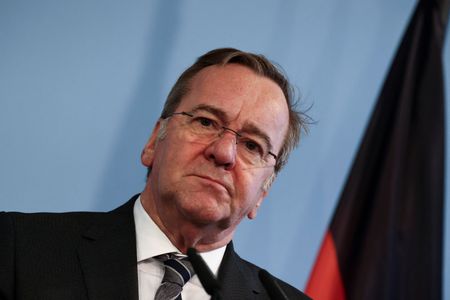
German Defense Minister Boris Pistorius echoed his chancellor’s position Monday, declaring: “This is not our war, we have not started it.” French President Emmanuel Macron similarly stated “We are not party to the conflict.”
The European resistance comes despite concerns that refusing Trump could jeopardize American support for Ukraine or threaten NATO relationships, especially after Trump’s earlier suggestions about acquiring Greenland from Denmark.
Trump criticized the European decision as a “very foolish mistake” and specifically targeted British Prime Minister Keir Starmer, saying he was “no Winston Churchill.”
However, public sentiment supports the European leaders’ stance. British polling by YouGov shows 49% opposition to the Iranian strikes compared to 28% support.
Even typically pro-American British politicians defended Starmer against Trump’s criticism. Conservative Party leader Kemi Badenoch called the White House rhetoric “childish,” while Reform UK’s Robert Jenrick said “I don’t like to see our Prime Minister be berated by foreign leaders.”
Spanish Prime Minister Sanchez condemned the Iranian operations as reckless and illegal, dismissing Trump’s trade threats. Deputy Prime Minister Maria Jose Montero declared: “We are certainly not going to be anybody’s vassals, we won’t tolerate any threats and we’ll defend our values.”
Spanish public opinion strongly backs this position, with 68% opposing the conflict according to polling firm 40db. German surveys show 58% opposition versus 25% support.
An unnamed European official explained that American military objectives remain undefined and potentially conflict with Israeli goals, particularly regarding regime change in Iran.
European nations are developing their own response strategies. Britain is collaborating with partners on plans to reopen the crucial shipping lane, through which one-fifth of global oil passes.
France is organizing a coalition to secure the strait once conditions stabilize, deliberately excluding American participation. President Macron explained this approach would involve “discussions and de-escalation with Iran” along with talks involving maritime industries and insurers.
EU foreign policy chief Kaja Kallas told Reuters the bloc has adapted to Trump’s governing style, saying they are “now more calm, because we are expecting unpredictable things to happen all the time and take it as it is, put some ice in our hats, and be calm and stay focused.”
The dispute highlights growing tensions over Trump’s decision to ease Russian oil sanctions to address rising global energy prices, which European leaders say caught them off guard.