
HARRISBURG, Pa. (AP) — Federal environmental regulators announced Thursday their intention to ease restrictions that currently mandate coal-burning power facilities prevent toxic heavy metals from entering waterways, citing excessive costs to the energy sector during a period of surging electricity demand.
The move represents another action by President Donald Trump’s administration to roll back regulations affecting coal mining and coal-powered electricity generation while promoting fossil fuels as a key energy source for the expanding artificial intelligence data center industry.
The EPA’s proposed regulation stated that a 2024 rule implemented under President Joe Biden incorrectly assessed both the effectiveness and expense of the requirements, resulting in coal plant closures during a time of increasing energy needs.
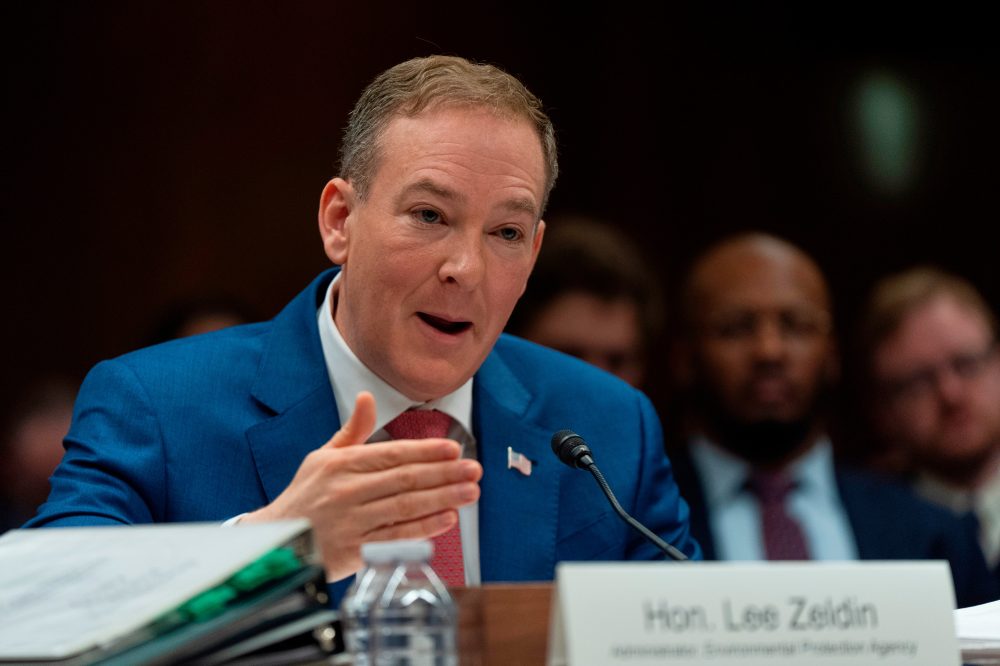
EPA Administrator Lee Zeldin stated that modifying these regulations is essential for ensuring more affordable and dependable electricity while boosting economic growth.
“The AI and data center revolution is creating an electricity and baseload power demand that cannot be met under the overly restrictive policies of past administrations,” Zeldin said. “The Trump EPA will continue doing its part to address these burdensome regulations on the coal-fired power plant sector that hold American communities back from the new opportunities presented by this new 21st century energy reality.”
The wastewater regulations were created to mandate that power facility operators remove coal ash and dangerous heavy metals including mercury, arsenic and selenium from plant wastewater prior to discharge into waterways.
During 2024, the EPA enhanced oversight of multiple categories of plant wastewater, significantly decreasing the volume of contaminants that power facility operators could release into water systems. The EPA had established a deadline of Dec. 31, 2029, for power plant operators to comply with these updated restrictions.
According to the EPA, Thursday’s proposed rule could lower electricity costs by up to $1.1 billion annually if implemented. Coal and power industry organizations praised the EPA’s action. Environmental advocates condemned it as a threat to public health and a benefit to the coal power sector.
Earthjustice, an environmental advocacy group, said the lakes, rivers and other waterways that will see more pollution as a result of the EPA’s proposal are often sources of drinking water. Coal-fired power plants are by far one of the largest sources of toxic pollutants in America’s rivers, lakes and streams, Earthjustice said.
According to Earthjustice, the proposal would exempt contaminated groundwater seeping into waterways from mandatory treatment requirements. Power plant owners would only be required to treat the contaminated groundwater if they first decide to pump it to the surface as part of a groundwater cleanup, the group added.
“This is another example of the Trump administration endangering the health of Americans as a favor to corporate polluters,” Earthjustice attorney Thom Cmar said in a statement. “This plan would eliminate safeguards on hundreds of millions of pounds of wastewater with neurotoxins and cancer-causing contaminants. It would allow coal power plants to avoid cleaning up contamination that threatens our drinking water sources.”
The EPA indicated it maintains its dedication to water protection through “common-sense and workable limits” on wastewater releases from power facilities and stated its new regulation would “rescind certain one-size-fits-all limits” in favor of “case-by-case, data-driven discharge limits.”
In 2024, the EPA estimated that its new rule that year would reduce pollutant discharges by 660 to 672 million pounds per year, provide $3.2 billion in public health benefits each year and especially benefit “low-income communities and communities of color that are disproportionately impacted by pollution from coal-fired power plants.”
The agency had predicted that electricity bills for the average residential household would increase by less than $3.50 per year.