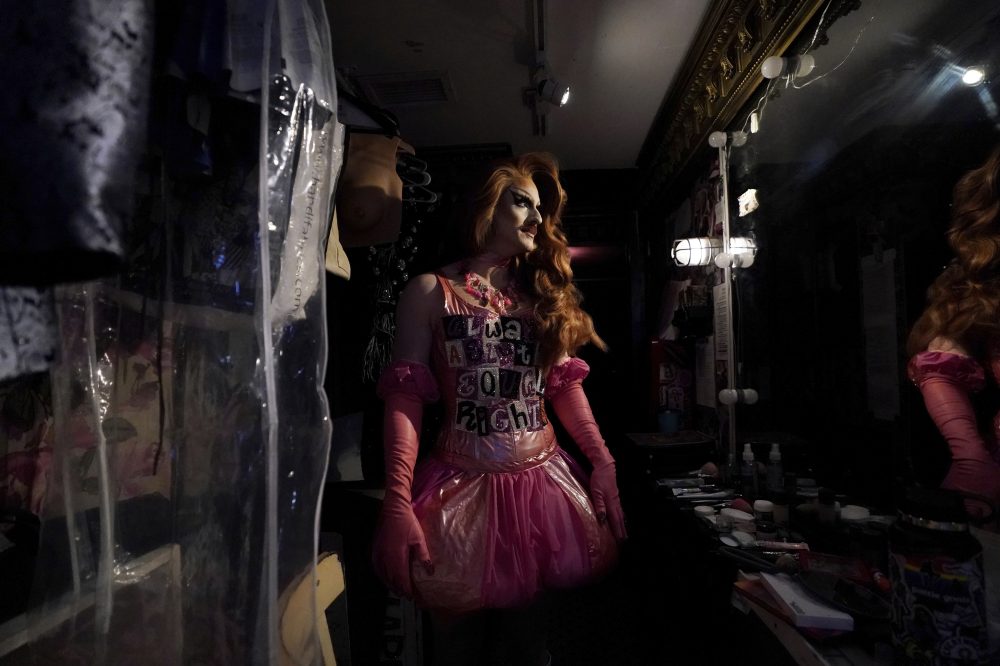

A well-known environmental activist who performs in drag has found herself at the center of a legal battle with one of the world’s most recognizable outdoor clothing companies.
Wyn Wiley, who performs as Pattie Gonia, publicly revealed in late May that Patagonia had filed a trademark infringement lawsuit against her. In a video posted just before Pride Month, the performer with flowing red hair and mustache accused the sustainable clothing brand of trying to silence an activist.
The outdoor apparel company filed its legal action in January, seeking just $1 in damages but alleging that Wiley’s use of the “Pattie Gonia” name for selling merchandise creates consumer confusion. Legal experts note that while the monetary demand is minimal, attorney fees in such cases often exceed $1 million.
Wiley, based in Bend, Oregon, has built a massive social media presence with nearly 3 million followers across TikTok and Instagram. She gained initial fame in 2018 with a viral video of herself camping in high heels and has since become known for educational climate content and her touring “Save Her! Environmental Drag Show.”
The legal dispute centers on trademark protection. Tim Holbrook, who teaches intellectual property law at the University of Denver, explained that actual consumer confusion isn’t required to win such cases. “If consumers are likely to be confused, that is sufficient,” Holbrook noted.
The conflict began brewing in 2022 when Patagonia contacted Wiley about a fundraising partnership she had with Hydroflask. During that conversation, company representatives asked her not to sell items featuring Patagonia’s logo, typeface, or the “Pattie Gonia” name, then confirmed these requests via email.
The situation escalated when Wiley filed a trademark application for “Pattie Gonia” in September 2025, seeking rights to sell clothing under that name. Patagonia followed up with another email exchange and suggested an in-person meeting to discuss their “different understandings” about trademark issues.
Wiley has called the company’s legal complaint one-sided, saying it “misrepresented not only the facts but also my personal integrity.”
Trademark disputes involving similar-sounding names are common in business. The lawsuit mentions that McDonald’s has sued a dental office called “McDental,” Starbucks went after an Oregon coffee shop named “Sambucks,” and Patagonia itself has previously challenged brands like “Catagonia” and “Fratagonia.”
Trademark attorney Carmel Imani, who represents smaller creators, said the similarity between “Pattie Gonia” and “Patagonia” would likely face rejection. “I get rejections for trademarks for my clients that are way less similar than these brand names,” she observed.
Another trademark lawyer, Lara Pearson with Brand Geek, emphasized that such cases involve broader concerns about future brand protection. Companies must consider whether allowing similar names might “set a precedent that we’re not going to be able to walk back from later,” Pearson explained.
The public announcement of the lawsuit triggered significant backlash against Patagonia from LGBTQ+ supporters and environmental activists. Some customers posted videos of themselves donating their Patagonia clothing in protest.
Supporter Jim Gregory filmed himself outside a Goodwill donation center, telling the camera: “I think that you just completely wrecked your company, at least from my demographic, the LGBTQ demographic.”
However, not everyone sided with the performer. Cleo Schroer, a Brooklyn researcher studying queer politics and culture, initially supported Wiley but changed her perspective after reading the legal documents. “Saying that Patagonia was trying to silence a drag queen or a queer activist… it just felt inaccurate,” Schroer said.
The Patagonia brand name itself comes from the South American region spanning southern Chile and Argentina, an area of glaciers, mountains, and vast plains long inhabited by Indigenous peoples including the Mapuche and Tehuelche. Company founder Yvon Chouinard chose the name for his outdoor gear business, obtaining the trademark after more than ten years of operation.
Trademark attorney Josh Gerben noted that geographic names can be protected as trademarks, citing examples like Chevy Tahoe and Arizona Tea Company. The key factor is how well-known the geographic area was when the trademark was filed.
Since 1973, the clothing company has built a profitable business around the Patagonia name, while the South American region has become a popular destination for outdoor enthusiasts.
If Wiley’s trademark application advances, Patagonia could file an opposition that might take years to resolve. However, Gerben pointed out that the current lawsuit will likely determine the outcome. “If Patagonia wins the lawsuit, the Federal Court can tell the USPTO to deny the application,” he said.
Both parties have shown some willingness to compromise. Wiley has offered to withdraw her trademark application if Patagonia drops the lawsuit. The company issued a statement acknowledging “any hurt (the lawsuit) has caused, especially in the LGBTQ+ community,” but said the case could only be dismissed if Wiley stops using their logo, font, or her stage name for commercial purposes.
While Wiley agreed to avoid using the company’s logo and typeface, she refuses to stop selling “Pattie Gonia” merchandise. Her website address has quietly changed from pattiegoniamerch.com to pattiemerch.com, though she hasn’t explained this modification.
Corley Kenna, Patagonia’s chief impact and communications officer, said the company remains “very open and want to find a resolution,” without providing specifics about potential agreements.
Gerben believes an out-of-court settlement would benefit both sides. “It’s always more ideal because it provides certainty to both parties. And you’re not going in front of a jury wondering who’s gonna win,” he concluded.