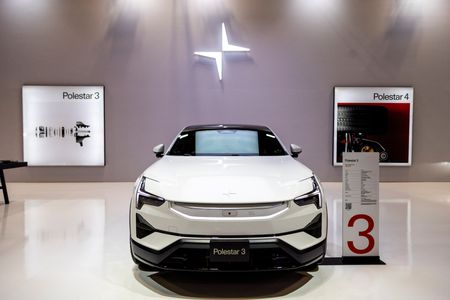

Swedish electric vehicle manufacturer Polestar announced Wednesday it will introduce updated versions of its bestselling models rather than developing completely new vehicles as part of a cost-saving strategy to increase European market share.
The company plans to launch refreshed editions of its popular Polestar 2 and Polestar 4 vehicles within the coming year, opting for budget-friendly modifications instead of expensive new designs to address ongoing financial challenges.
Polestar’s strategic pivot toward Europe, which included adopting a conventional dealership approach, helped drive 2025 retail sales beyond 60,000 vehicles. However, the company faces mounting obstacles including European Union and United States tariffs, intensified market competition, and weaker electric vehicle demand than anticipated.
Company executives project modest double-digit growth in retail volumes for 2026 and intend to expand their dealer network by approximately 30% to support this ambitious goal.
These increased sales figures are crucial for supporting parent company Geely Holding Group’s ambitious five-year strategy to rank among the world’s top five automotive manufacturers, targeting annual sales exceeding 6.5 million vehicles by 2030, with one-third originating from markets outside China.
Per Ansgar, who leads Geely Sweden Holding, confirmed to Reuters that Polestar continues receiving technological benefits from its Chinese parent company, with Geely committed to providing ongoing financial backing.
“We do this because we think that Polestar is a very strong brand,” Ansgar explained, emphasizing that Polestar had “good opportunities moving forward.”
Geely has repeatedly intervened with bank-supported assistance, contributing equity investments and serving as a financial guarantor to maintain Polestar’s operations.
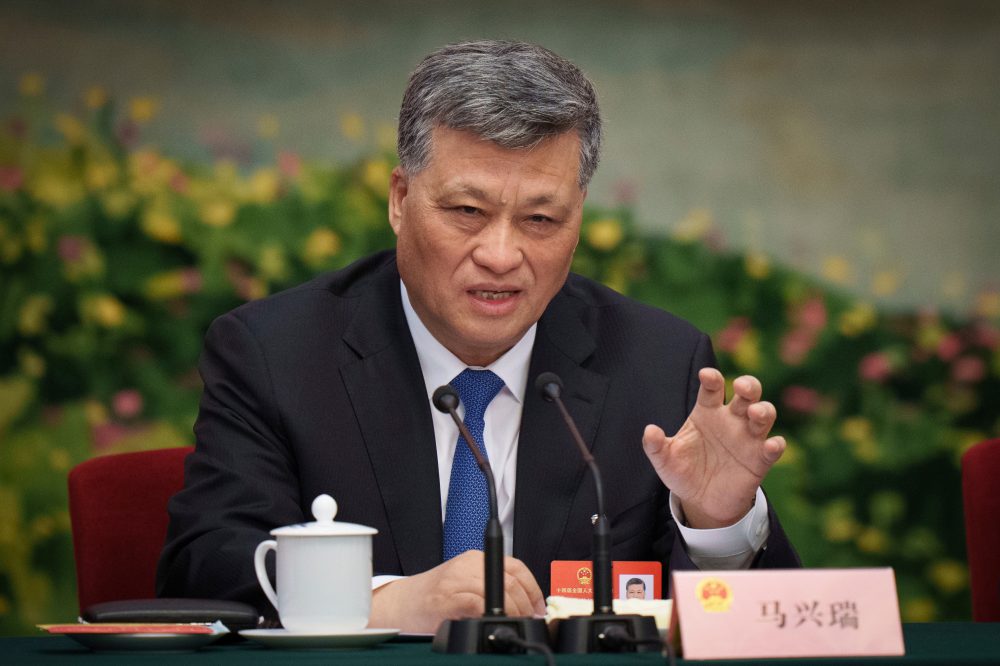
Speaking from Polestar’s Gothenburg headquarters, CEO Michael Lohscheller told journalists that the updated models should drive sales growth while the company maintains its luxury market position.
“We want to be above 100,000 (annual sales) as quickly as we can,” Lohscheller stated. “But most important is establishing Polestar as a premium company.”
The company’s Polestar 5 grand touring vehicle begins customer deliveries this summer, while a new wagon-SUV variant of the Polestar 4 manufactured in Busan, South Korea, will start shipping during the fourth quarter.
The redesigned Polestar 2, produced in China, will debut in European markets early next year but will not return to the United States, where the company withdrew due to tariffs exceeding 100%.
Polestar’s next completely new vehicle, the compact SUV Polestar 7, is scheduled for 2028 production at sister company Volvo Cars’ Slovak manufacturing facility, a decision Lohscheller believes will attract a broader customer base.
“When you put all of this together, we get much more volume and segment coverage,” he explained, predicting the expanded lineup will address 60% of Europe’s electric vehicle market.