
The name ‘Amada’ means ‘beloved’ in Spanish.
“We chose to name her ‘Amada’ because she entered our family to be treasured,” explained Lorena Bonilla, whose transgender daughter recently gained approval to update her legal identity papers following an Ecuador Constitutional Court decision.
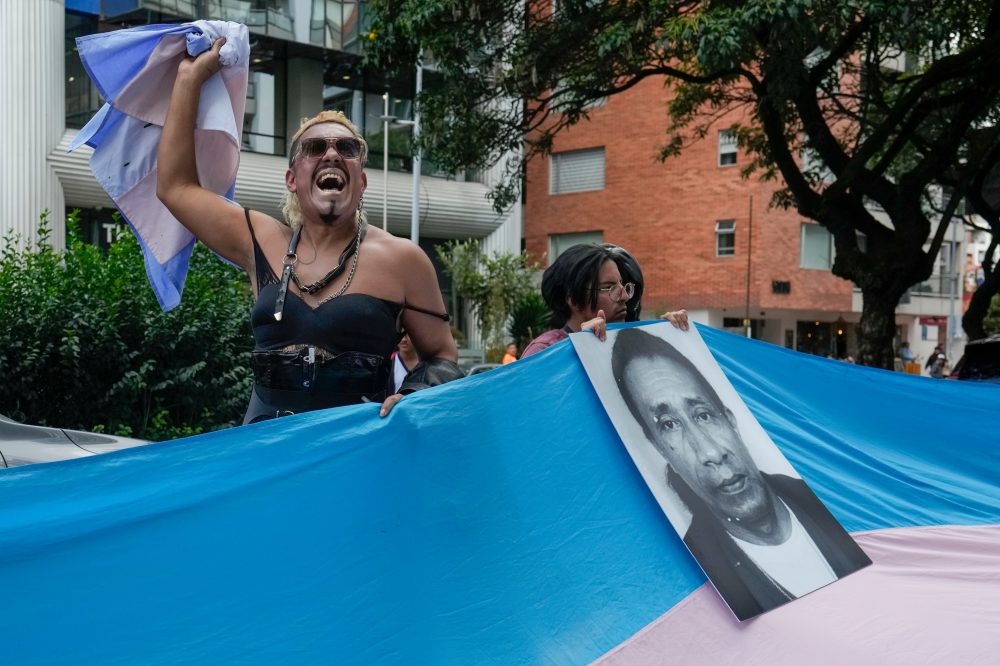
This case — combined with a second ruling issued in March — has created new opportunities for Ecuadorian teenagers who want to update their names and gender markers on government documents. Adult citizens obtained this same right following years of activism that resulted in legislative changes in 2024.
LGBTQ+ advocates throughout the region celebrated the court decisions, particularly as conservative political movements have strengthened their influence in recent months. However, these supporters also caution about ongoing legal and societal obstacles that transgender individuals must navigate.
“Political, religious and social groups in Ecuador continue to frame gender recognition for minors as dangerous,” stated Cristian González Cabrera, who researches LGBTQ+ issues for Human Rights Watch. “This atmosphere can lead to institutional resistance, bureaucratic delays and unreasonable rejections.”
Bonilla and her 17-year-old daughter encountered these challenges directly in 2018. Their court fight started when Amada was just 9 years old and educational institutions denied her enrollment because her official paperwork didn’t align with her gender identity.
“Fourteen schools turned us away and wouldn’t accept her,” Bonilla recalled. “That’s when we realized we had to pursue changing her name.”
Initially, a court approved Amada’s request to update her identity papers. However, the civil registry challenged this ruling and an appeals court subsequently decided that her passport and identification should display her birth name and assigned gender.
“Our rights took a major setback,” Bonilla stated.
Court decisions rather than legislative action or executive leadership have primarily driven LGBTQ+ progress in Ecuador. This pattern has emerged in neighboring Andean nations including Colombia and Peru as well.
“Legislative and executive officials represent the general population’s views, but LGBTQ individuals are frequently ignored,” explained Christian Paula, who leads the Pakta Foundation that offers legal assistance in cases similar to Amada’s. “Relying on judicial intervention demonstrates how closed-minded and insensitive our institutions remain.”
Three major LGBTQ+ milestones in Ecuador have resulted from court action. These include ending criminal penalties for homosexuality in 1997, a 2009 decision permitting an Ecuadorian transgender woman to legally change her name, and marriage equality recognition in 2019.
These judicial victories triggered opposition from conservative and faith-based organizations.
Following the Constitutional Court’s rulings, André Santos, who heads a prominent conservative advocacy group in Ecuador, posted on X that the court had exceeded its constitutional role. He has also criticized school policies that let students choose uniforms and restrooms matching their gender identity.
Ecuador’s Catholic bishops conference similarly voiced opposition to the court’s action. “Permitting adolescents to make such significant decisions creates substantial risks for their complete development,” the organization stated.
While President Daniel Noboa hasn’t been as vocal against transgender issues as certain other conservative Latin American leaders, his government has demonstrated minimal backing for LGBTQ+ causes.
During his campaign, he promised to protect traditional family structures. Since assuming office, security concerns and economic challenges have taken priority over gender and diversity matters in his policy focus.
“His cabinet members concern us most,” said Diane Rodríguez, an attorney and leader of Silueta X, an Ecuadorian LGBTQ+ advocacy group.
Rodríguez, who is transgender, highlighted Education Ministry officials, including current minister Gilda Alcívar, who has opposed incorporating what she terms “gender ideology” into curricula. This environment, Rodríguez noted, affects her personal experiences.
Living in Guayaquil where she and her partner, a transgender man, are raising their 4-year-old daughter, Rodríguez has encountered school enrollment obstacles.
“Registration became difficult because people look at me and think I’ll influence children to become transgender based on my appearance,” Rodríguez explained.
Her professional work includes providing legal assistance to those experiencing gender-based discrimination and supporting hormone therapy programs for transgender individuals. She also focuses on educating communities about violence targeting her community.
Silueta X releases yearly data on LGBTQ+ homicides. Their initial 2013 report documented two deaths, with numbers increasing annually. The 2025 publication recorded 30 fatalities, including 21 transgender women.
Amada expressed her female identity to her parents when she turned 3 years old. She requested a princess-themed birthday celebration. However, Bonilla and her husband — both with Catholic upbringings — believed she was mistaken and organized a prince-themed party instead.
Several years passed before they fully accepted their daughter and stopped consulting psychologists who claimed she had problems or that they had failed as parents.
“People make cruel remarks and don’t comprehend what families like ours endure,” said Mauricio Caviedes, Amada’s father. “I hope better education on this topic will help people develop understanding.”
As they gained knowledge about the transgender community, their effort to modify Amada’s documents expanded into broader advocacy. Bonilla and Caviedes became activists, bringing their children to demonstrations and educational events. They championed other LGBTQ+ issues like marriage equality and established a support network for families with transgender children.
“This became our only strategy to challenge the government,” Bonilla said. “We represented 25 families with transgender children of various ages, with the oldest being 12.”
During the COVID-19 pandemic, her family relocated to Canada. Although she values how accepting their new country has been toward her daughter, she continues advocating for LGBTQ+ rights in Ecuador.
Amada, now an excellent student who aspires to become a nurse, was influenced by years of observing her parents assist transgender friends and community members seeking discrimination-free healthcare access. While she has never appeared in public media interviews, her case’s visibility represents a lasting impact for Bonilla.
“Society believes transgender people are destined to work in sex industries or remain hidden,” Bonilla said. “But we want all parents to understand that someday their child can achieve any goal they set.”