
THE HAGUE, Netherlands — A Dutch court handed down a 26-year prison sentence Monday to a Syrian man found guilty of crimes against humanity, including the torture and rape of people imprisoned for opposing the government of former Syrian president Bashar Assad during the country’s devastating civil war.
The defendant, identified under Dutch privacy laws only as Rafiq al Q., stood trial beginning in April on charges that included torture, sexual abuse, and rape. The 58-year-old maintained his innocence throughout the proceedings, alleging that both the victims and law enforcement had conspired against him.
The verdict from the District Court of The Hague marks the latest in a growing series of legal actions taken against Syrian suspects in courts around the world, following Assad’s removal from power in December 2024 after a swift rebel offensive that ended years of civil war. Assad subsequently fled to Russia, a longtime ally.
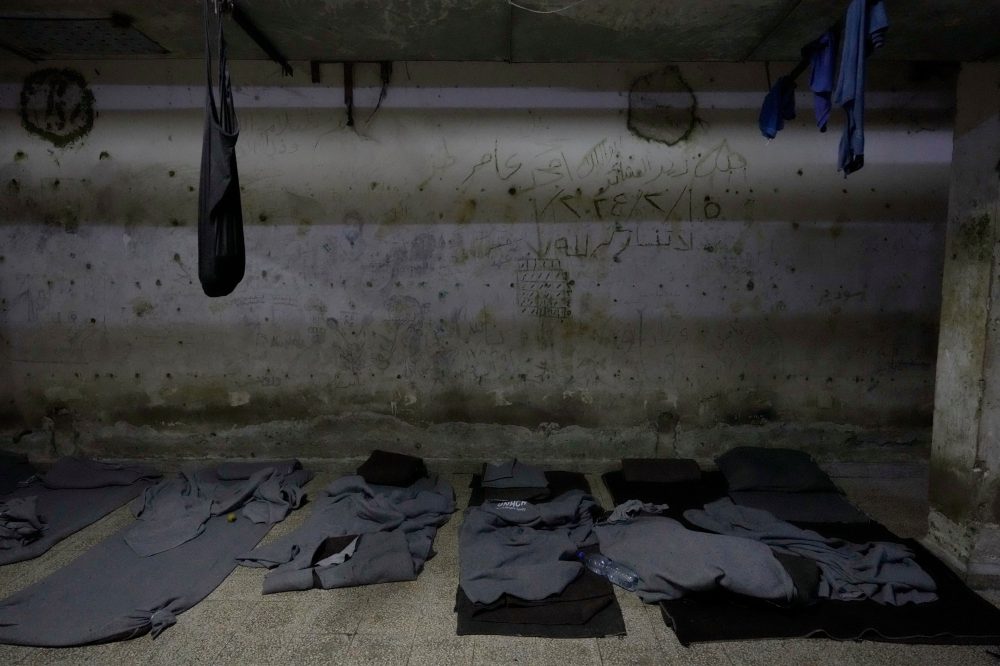
These prosecutions have drawn renewed attention to the widespread abuse that took place inside dozens of Syrian detention facilities while Assad held power. Former prisoners, human rights organizations, and activists have described systematic torture, sexual violence, mass executions, and brutal conditions.
Judges determined that Rafiq al Q. was a member of the pro-Assad National Defense Force, a paramilitary organization, and that between 2013 and 2014 he served as an interrogator for the group. Evidence presented in court showed he was responsible for the torture of detainees held at facilities in Salamiyah, including beatings, suspending victims upside down, and administering electric shocks.
In summarizing its ruling, the court stated: “The defendant was also guilty of sexually abusing multiple victims. He raped one of them. The defendant repeatedly subjected the victims to conditions of extreme fear, threats, pain, hopelessness, and powerlessness. During the court hearings, the victims gave compelling testimonies about the impact this had on them and the consequences they continue to suffer to this day.”
Rafiq al Q. sat quietly beside his attorney, wearing a striped shirt with guards positioned nearby, and appeared to offer no reaction as the conviction and sentence were read aloud. He was cleared of some charges where judges found the evidence insufficient to support a guilty verdict.
He arrived in the Netherlands seeking asylum in 2021 and was living in the eastern town of Druten when authorities arrested him in 2023.
The prosecution was made possible through the legal concept of universal jurisdiction, which permits courts to try individuals for serious international offenses — such as war crimes — even when those crimes were committed in a foreign country.
Both prosecutors and the defense have 14 days to file an appeal of the conviction and sentence.
The Netherlands is not the only country pursuing accountability for those tied to the former Assad regime. Last year, a German court sentenced a Syrian doctor to life in prison for torture and war crimes, including the killing of two people and the torture of nine others in Syria between 2011 and 2012. In 2024, a court in Paris sentenced three senior Syrian officials in absentia to life imprisonment for complicity in war crimes.
Syria itself is also working to hold former regime loyalists accountable. In April, the first public trial of former government officials opened in Damascus. Among those who appeared in court was Atef Najib, a former Syrian army brigadier general who led the Political Security Branch in the southern Daraa province under Assad and is also a cousin of the former president. He faces charges related to what state-run news agency SANA described as “crimes against the Syrian people.”