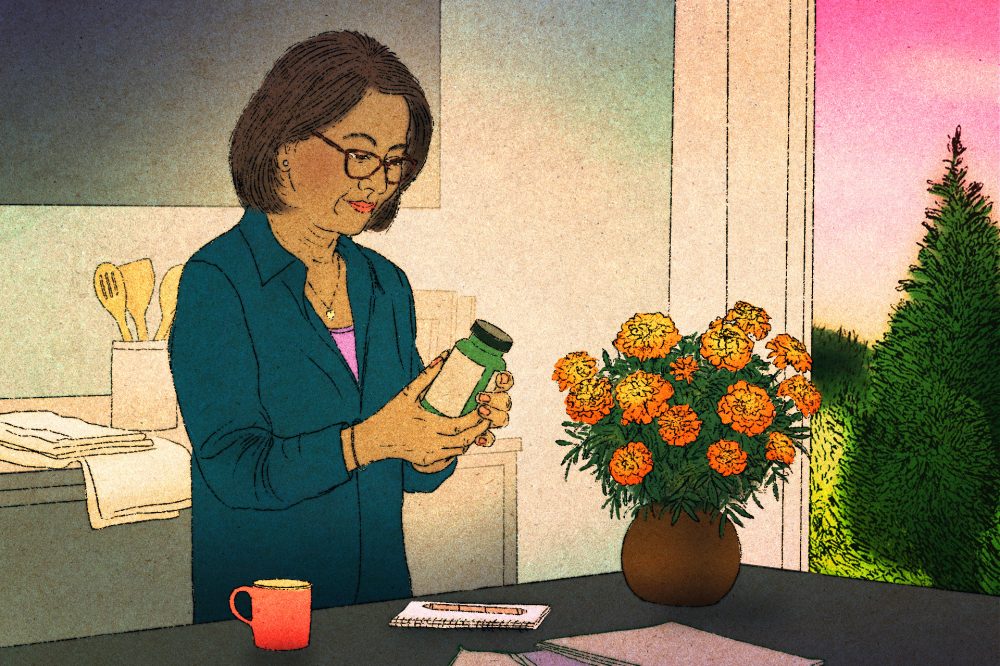

Women experiencing hot flashes, night sweats, mood swings and sleep difficulties during menopause are facing an overwhelming wave of product advertisements promising relief.
The surge in frank discussions about menopause and the transitional phase beforehand, known as perimenopause, coincides with intensified marketing campaigns powered by social media platforms. Women encounter countless face creams, serums, light therapy devices, nutritional supplements, and various gadgets all claiming to address menopausal symptoms.
“The marketing has gotten very, very aggressive. It’s pervasive,” said Dr. Nanette Santoro, an OB-GYN professor at the University of Colorado Anschutz.
Medical experts like Santoro emphasize that women should consult healthcare providers about scientifically-backed treatments before investing in expensive products with grand promises that may prove ineffective or potentially harmful.
“It really pays to be very, very, very skeptical,” Santoro said.
During menopause, declining estrogen and progesterone levels can trigger various symptoms including hot flashes, night sweats, mood fluctuations, vaginal dryness and sleep disturbances in some women.
Dr. Angela Angel, an OB-GYN with Texas Health Presbyterian Hospital Dallas, noted a shift in how patients approach menopause discussions. Previously, physicians would inquire about symptoms during routine annual checkups for women around age 50. Now, patients are scheduling dedicated appointments to discuss these concerns.
Many patients arrive having already experimented with products they discovered online. “They’re coming to see me because it’s not effective or because it’s caused some other side effect,” Angel said.
Angel’s hospital recently launched a physician-led menopause support group, with an upcoming session dedicated to helping women navigate the marketing bombardment at participants’ request.
The marketplace includes everything from wristbands and rings marketed for hot flash relief to specialized cooling blankets and bedding.
Santoro advises patients to “balance what you’re going to spend over whether this might help you.”
“If it’s a bracelet that’s going to cost you $20, it’s not a big expenditure. It might provide some improvement,” Santoro said. “Things that are not well tested might still work but if you want something that works — come back, I’m not going anywhere and I’ll give you evidence based treatment.”
While dietary supplements haven’t demonstrated effectiveness for hot flashes in rigorous scientific studies, Santoro notes many are affordable with minimal risk of harm. She stresses that patients should inform their doctors about any online products they wish to try for proper monitoring or medical guidance against potentially problematic options.
Medical professionals point out that most over-the-counter items marketed specifically for menopausal women, including supplements, shampoos, and skincare products, contain identical ingredients to regular versions of these products.
Some marketed products may cause unwanted reactions.
Dr. Monica Christmas, director of the menopause program at the University of Chicago Medicine, explains that menopausal symptoms vary dramatically among women. While some experience few or no symptoms, others face severe impacts from multiple issues. She emphasizes that seeking professional medical guidance remains paramount.
Physician-prescribed hormone therapy can effectively address symptoms, as can non-hormonal prescription medications. However, some women cannot use hormone therapy due to specific medical histories.
“Not everybody needs hormone therapy, not everyone is a candidate for hormone therapy, not everybody should be on hormone therapy,” Angel said.
Regular physical activity and nutritious eating habits provide significant benefits, doctors emphasize. These lifestyle changes can promote weight loss, which research links to reduced hot flashes and night sweats.
Santoro recommends avoiding alcohol for those experiencing hot flashes, as it can intensify these episodes.
“Many of the symptoms actually get better over time, so sometimes it really is just a matter of lifestyle modifications and self-care and getting through this most tumultuous time frame,” Christmas said.
Brandi McGruder, a 49-year-old Dallas school librarian, recognized her perimenopause symptoms during a birthday dinner last year. She felt extremely cold entering the restaurant but was overheated within 20 minutes.
McGruder scheduled a doctor’s appointment and received an estrogen patch prescription that provided relief. While she notices advertisements targeting women her age, she chose to consult her physician first.
Though McGruder dislikes how symptoms remind her of aging, she’s learning to accept this life stage. Her recommendation: “Laugh. It’s OK. Reach out to others experiencing what you are going through, don’t take it so serious.”
Skin changes occur both from natural aging and menopause-related collagen and hyaluronic acid loss, which reduces skin thickness, explained Dr. Melissa Mauskar, a dermatologist and associate professor at UT Southwestern Medical Center in Dallas.
Mauskar recommends prescribed retinoids or over-the-counter retinol products, which boost collagen production and minimize wrinkle appearance.
Quality drugstore moisturizers work well, she advises. Look for products containing ceramides, which maintain skin hydration.
“But you don’t want to have anything that has too many additive ingredients — just because it’s natural and a botanical does not mean it’s better,” Mauskar said. “A lot of those actually are contact allergens that can make people more sensitive.”
Ingestible collagen supplements are heavily marketed to women, but Mauskar warns that research results are inconsistent and consuming collagen “doesn’t mean that it’s going to make its way to your skin and plump up your face” despite product claims. Light therapy masks won’t cause harm and some studies suggest potential benefits, but won’t produce overnight results. Any improvements would require consistent daily use over many years.
Sun damage causes most wrinkles patients develop, making consistent sunscreen application essential at every age.
“I think there’s a lot of new fancy things coming out and targeted to perimenopause, menopause patients,” Mauskar said, “but sometimes the tried and true things that we at least have the science for I think still are my kind of gold standard for my patients.”