
Health officials in New York City confirmed Tuesday night that a fifth person has lost their life in an ongoing Legionnaires’ disease outbreak, as investigators continue working to pinpoint the origin of the bacteria responsible.
The New York City Health Department reported that Legionella bacteria has been detected in 34 cooling towers spread across 33 buildings, all of which are currently undergoing cleaning and disinfection. In total, crews are working to clean and disinfect 82 cooling towers in 80 buildings throughout the area.
Officials noted that no new patients have reported symptoms in the past 10 days. Eight people remain in the hospital, while 56 others who were previously hospitalized have since been discharged.
Legionnaires’ disease is a serious form of pneumonia caused by Legionella bacteria, which thrive in warm water environments such as hot tubs and building cooling systems. According to the U.S. Centers for Disease Control and Prevention, the disease is treatable but is fatal in roughly 10% of cases. It cannot be passed from one person to another — people become infected by breathing in tiny contaminated water droplets.
The outbreak has been traced to the Upper East Side neighborhood, where inspections revealed traces of the bacteria in cooling equipment at upscale apartment buildings, private schools, and well-known museums. This has raised questions about the effectiveness of updated testing regulations that were strengthened just this past spring, along with a recent budget increase to bring on more inspectors.
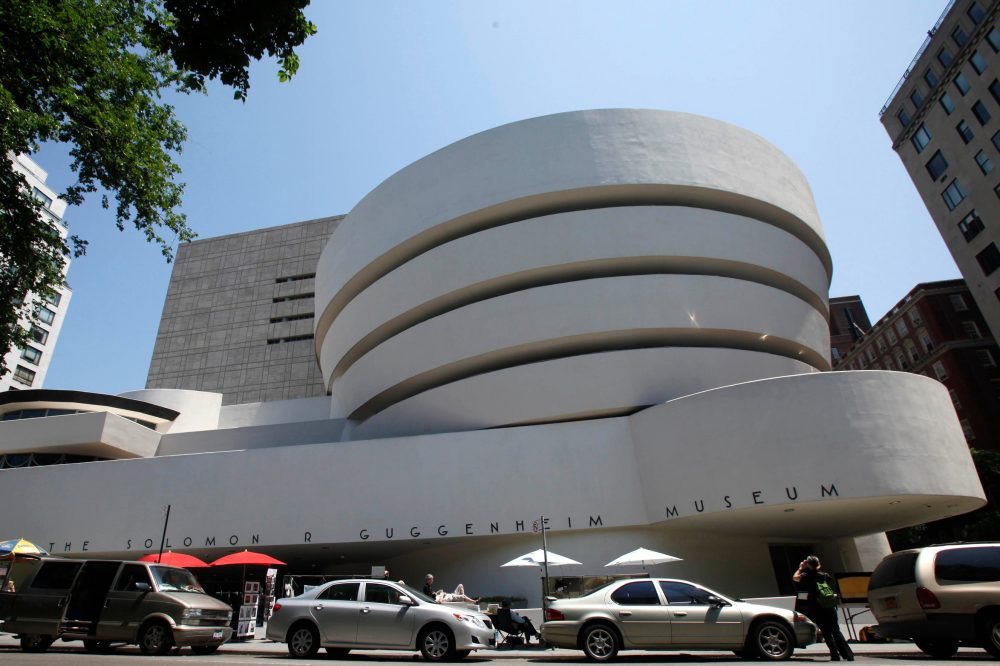
Some building owners whose properties tested positive say they have been proactive about managing the Legionella risk. The Guggenheim Museum, for example, released a statement saying a third-party company tests and treats its cooling tower on a monthly basis.
A Texas attorney named Jory Lange, who represents more than 50 people impacted by a separate outbreak last year that killed seven and sickened over 100 people in New York’s Harlem neighborhood, called the situation both avoidable and deeply frustrating. He is also representing at least three patients currently recovering from illness connected to the Upper East Side outbreak.
“There’s no excuse for this to keep happening,” Lange said. “New York already has the best and strongest regulations … and yet this still keeps happening.”
New York City Health Commissioner Dr. Alister F. Martin said in a statement that the department’s swift response following the first two confirmed cases “saved lives.” He added that officials will use findings from the ongoing investigation to update policies and procedures in hopes of preventing future outbreaks.
Following the Harlem outbreak, city leaders authorized the Health Department in November to add 23 more water ecologists and supervisors focused on Legionella monitoring, with a target total of 56 staff members. As of Tuesday, the department has 35 people in those roles, with 14 more currently going through a multi-month orientation and training process. Officials said they are actively working to fill the remaining seven positions.
Despite the staffing shortfall, the agency reported completing nearly 1,600 cooling tower inspections in the first six months of the year — a 35% increase compared to the same timeframe in 2025.