
Spanish health officials are making emergency preparations as a cruise ship struck by a deadly hantavirus outbreak makes its way toward the Canary Islands.
The MV Hondius, carrying more than 140 passengers and crew members, is expected to dock in Tenerife either Saturday or Sunday. At least three people aboard the vessel have lost their lives to the virus, with additional passengers falling ill. Currently, no other passengers or crew are showing symptoms of the disease.
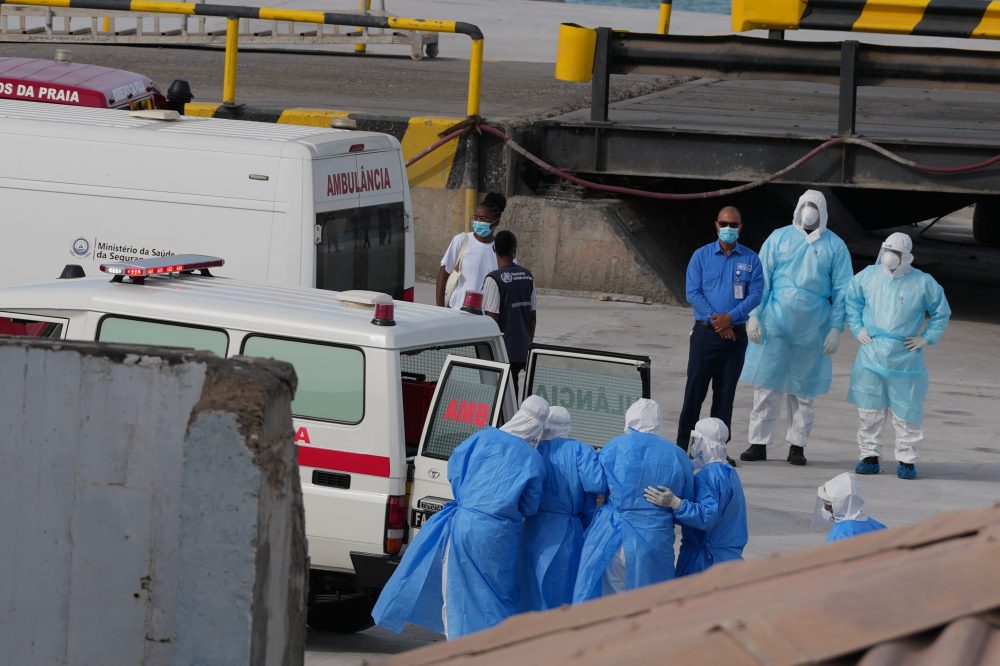
Emergency officials will conduct a carefully orchestrated evacuation when the ship arrives. “Passengers will arrive at a completely isolated, cordoned-off area,” Virginia Barcones, Spain’s head of emergency services, announced Thursday.
Both American and British governments have committed to sending aircraft to retrieve their citizens from the stricken vessel. The U.S. will dispatch a plane to evacuate 17 American passengers, while Britain plans to charter a flight for nearly two dozen British nationals on board.
International health authorities are working around the clock to locate passengers who departed the ship before officials detected the outbreak. On April 24, more than two dozen individuals from at least 12 nations left the vessel without proper contact tracing, according to the ship’s operator and Dutch authorities. The hantavirus wasn’t confirmed in a passenger until May 2, according to the World Health Organization.
The tracking efforts span four continents as officials attempt to monitor those who disembarked and identify anyone who may have encountered them afterward. One Dutch passenger whose husband died aboard the ship became too sick to continue on an international flight to Europe and was removed from the aircraft in Johannesburg, where she later died.
A KLM flight attendant who worked on the April 25 flight from Johannesburg to Amsterdam later became ill but tested negative for the virus. She was placed in isolation at an Amsterdam hospital Thursday.
Health experts explain that hantavirus typically transmits when people breathe in contaminated particles from rodent waste. While these viruses have existed for centuries worldwide, they don’t spread easily between humans.
“This is not the next COVID, but it is a serious infectious disease,” explained Maria Van Kerkhove, director of epidemic and pandemic preparedness at the World Health Organization. “Most people will never be exposed to this.”
The World Health Organization maintains that the risk to the general public remains minimal. The disease received increased attention recently following the death of Betsy Arakawa, wife of late actor Gene Hackman, from a hantavirus infection in New Mexico last year.
The MV Hondius operates under a Dutch flag, and Dutch officials confirmed Friday they maintain close communication with the ship’s owner and authorities from nations whose citizens are aboard the vessel.