
KATHMANDU, Nepal — Hundreds of mountaineers hoping to conquer Mount Everest find themselves stuck at base camp after a dangerous ice formation has blocked their path up the world’s tallest mountain, Nepalese officials announced Friday.
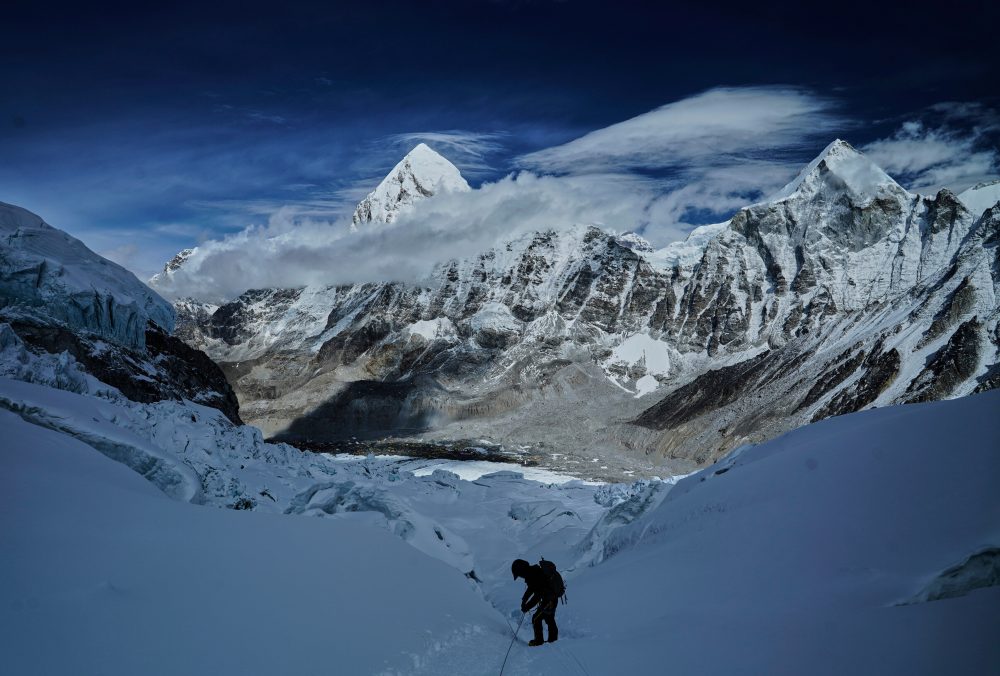
The unstable ice formation, known as a serac, sits between base camp and the first climbing camp and poses significant danger to anyone attempting to pass, according to Himal Gautam from Nepal’s Department of Mountaineering.
Government officials are collaborating with climbing teams and expedition leaders to evaluate the dangerous conditions while hundreds of mountaineers and their guides remain stranded, unable to continue their ascent.
The mountaineering department has granted climbing permits to 410 international adventurers seeking to reach Everest’s summit during this spring’s climbing window, which concludes at May’s end.
Specialized climbing guides known as “Icefall Doctors” typically complete the annual route preparation by mid-April, installing ropes and placing aluminum ladders across dangerous gaps in the ice.
The Sagarmatha Pollution Control Committee, responsible for deploying the route-setting team, intends to examine the ice formation from the air. “The risk of avalanche is high and they are waiting for the serac to melt down on its own to a safe level,” stated committee Chairman Lama Kazi Sherpa.
This ice formation belongs to the notorious Khumbu Icefall, a continuously moving glacier filled with deep cracks and enormous overhanging ice structures that can tower as high as ten-story buildings. Climbers regard this section as among the most challenging and dangerous parts of the entire Everest ascent.
A similar ice collapse in 2014 triggered a devastating avalanche that claimed the lives of 16 Sherpa guides who were transporting client equipment up the mountain, marking one of Mount Everest’s most tragic climbing disasters.
Next month, hundreds of international climbers along with approximately the same number of Nepalese guides and support staff plan to attempt the summit during brief periods of suitable weather conditions.
Since New Zealander Edmund Hillary and Sherpa guide Tenzing Norgay first successfully climbed the 8,849-meter (29,032-foot) peak on May 29, 1953, thousands of people have reached Everest’s summit.