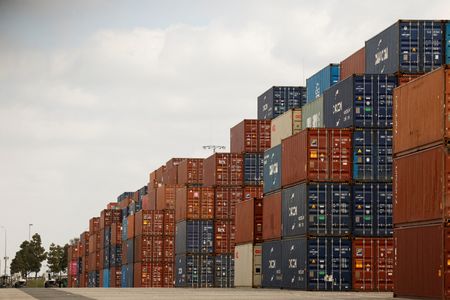

The nation’s busiest container port in Los Angeles recorded its second-highest import volume ever in May, as retailers scrambled to get products onto U.S. shores before shipping companies begin passing along steep fuel cost increases on July 1.
The ongoing Iran war has thrown Middle East shipping routes into chaos, tightening the supply of crude oil and the materials derived from it — including plastics used in everyday consumer goods. Marine fuel prices have skyrocketed, and some businesses are growing concerned that critical raw materials and manufactured products could become difficult to obtain or too costly to transport.
Port of Los Angeles Executive Director Gene Seroka said Tuesday that businesses are carefully weighing energy expenses, tariffs, their inventory levels, and global political risks when deciding where to source goods and how quickly to ship them.
“When they find a window of stability, many are moving quickly to take advantage, speeding cargo through the supply chain while conditions allow,” Seroka said.
In May, the Port of Los Angeles processed a total of 840,165 twenty-foot equivalent units — known as TEUs — a standard measurement used for ocean cargo. A typical shipping container measures 40 feet. Of that total, 449,370 TEUs were imports, representing a 26% jump compared to the same month a year ago, when tariffs that have since been struck down caused shippers to sharply pull back.
Seroka said volume figures for June and July appear to be tracking even higher than May’s record-setting numbers. He cautioned, however, that supply chains will likely take months to return to normal even after hostilities in Iran end and the critical Strait of Hormuz — a key global shipping chokepoint — reopens.
Vessel bunker fuel prices across 20 major ports around the world nearly doubled in March, climbing to $1,053 per unit following the start of U.S. and Israeli military strikes on Iran. Prices have since pulled back somewhat amid talk of a possible ceasefire, but shipping companies are still set to begin recovering those higher fuel costs through contracts starting July 1.
Businesses face additional pressures on the horizon. A 10% global tariff under Section 122 could expire in late July, and the Trump administration has proposed new tariffs of as much as 12.5% on goods from 60 countries linked to allegations of forced labor.
The Port of Los Angeles figures align with data from supply chain technology company Descartes Systems Group, which reported that total U.S. container import volumes rose 11.5% in May compared to a year earlier. Analysis by Descartes Datamyne found that imports of plastic goods surged 26% to 251,706 TEUs — including a nearly 87% spike in plastic office and school supplies and a 57% increase in plastic tableware and kitchenware.