
WASHINGTON — Consumer costs are anticipated to have climbed for the third consecutive month in May, raising alarm among Federal Reserve inflation specialists and highlighting the challenge that escalating prices present for the Trump administration with midterm elections approaching.
Economic analysts surveyed by FactSet predict inflation will hit 4.2% in May compared to the same period last year when the Labor Department releases the data on Wednesday. This annual figure would represent an increase from April’s 3.8% rate. Monthly price growth is projected at 0.5%, slightly lower than April’s 0.6% jump.
Price increases had been moderating until President Donald Trump implemented extensive tariffs in April 2025, which raised costs for numerous products. Costs have since accelerated following the Iran war’s impact on oil and gas expenses, transforming affordability into a major political concern. The critical question remains whether inflation will subside once the conflict concludes and energy prices drop, or continue at elevated levels beyond the war’s end.
Several economic experts express concern that costs remain high in sectors that shouldn’t be influenced by fuel expenses, including dental services, auto repair, and various other service industries. Meanwhile, wage growth remains moderate, which should limit companies’ pressure to increase prices further.
For this reason, analysts and financial markets will pay close attention to core price data, which eliminates volatile food and energy components. Core inflation is projected to have increased 0.3% from April to May, based on FactSet predictions, a rate consistent with annual figures well above the Fed’s 2% goal. Yearly core inflation may rise to 2.9% from 2.8%.
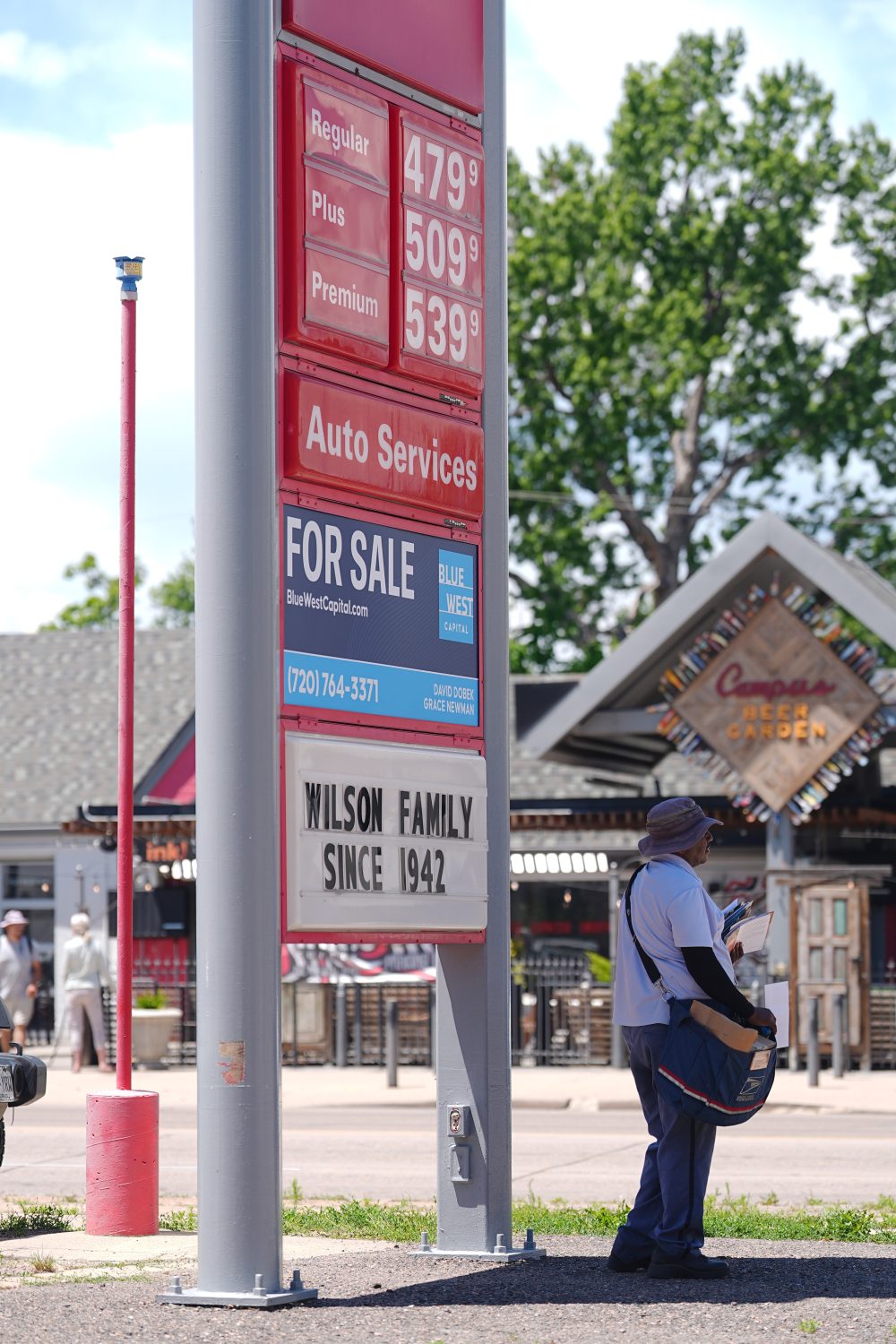
Fuel costs have declined this month, but they increased in May due to Iran’s blockade of the Strait of Hormuz, which has restricted roughly one-fifth of global oil supplies. According to the Energy Information Administration, pump prices climbed from approximately $4.04 in mid-April to $4.49 in mid-May.
AAA reports they have subsequently dropped to a nationwide average of $4.16, potentially resulting in lower inflation data for June.
Higher diesel costs have increased transportation expenses, with shipping companies like UPS and FedEx implementing fuel surcharges over recent months. This development will likely drive up food prices, which rose 0.7% in April and stand 2.9% above year-ago levels.
Persistent inflation has altered discussions among Fed officials, who indicated early this year they were considering two additional rate reductions. Currently, more policymakers suggest the Fed’s next action will probably be an increase rather than a decrease. Fed rate hikes typically result in higher costs for home mortgages, car loans, and commercial borrowing over time.
Financial market participants anticipate the Fed will increase rates in December, based on CME Fedwatch futures pricing.
While inflation remains elevated, employment conditions appear to be strengthening, with May hiring reaching healthy levels, and economic expansion continues. These encouraging indicators suggest the Fed doesn’t need to lower rates to boost growth and employment. They also demonstrate that current Fed rates aren’t so restrictive that they’re hampering economic activity. However, some officials prefer rates that would moderate growth somewhat, as this approach can reduce inflation.
Two-year and 10-year Treasury yields have risen following Friday’s employment report showing accelerated May hiring, indicating investors believe inflation may stay high and eventually necessitate Fed rate increases.
Rising inflation has placed new Fed Chair Kevin Warsh in a challenging position. He supported rate reductions last year and was selected by Trump to succeed Jerome Powell, after Trump consistently criticized Powell for not lowering rates more aggressively. Currently, Trump and White House representatives are primarily contending that rates don’t need to rise, rather than demanding additional cuts.
Some analysts continue to see tariffs driving up certain costs, especially apparel, which increased 0.6% in April and costs 4.2% more than a year ago. More expensive fuel may have also contributed to higher airfares last month, which would increase core inflation.