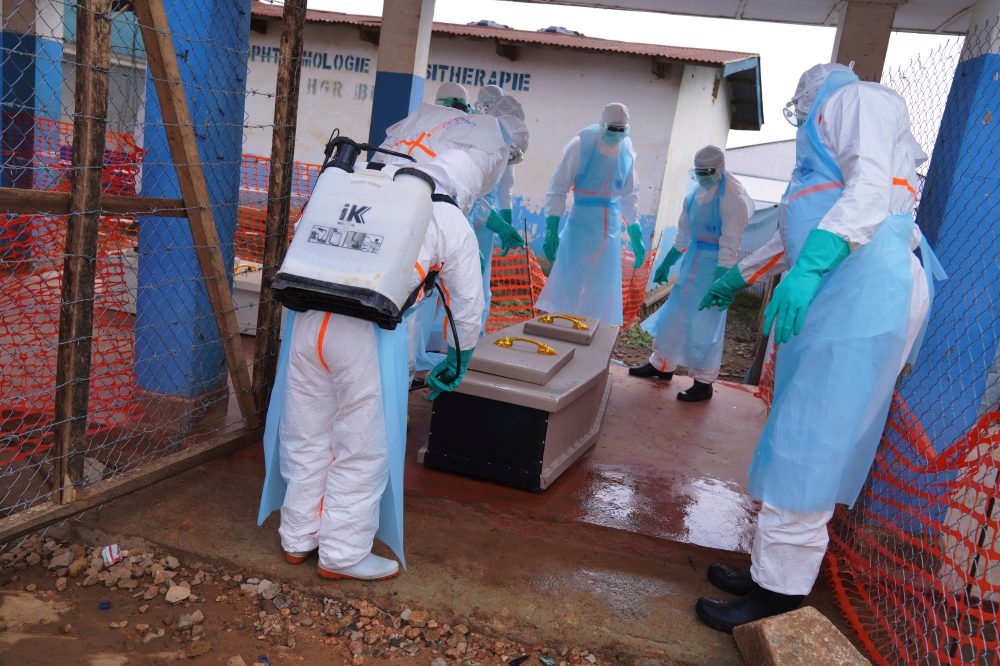

ABUJA, Nigeria — The Ebola crisis unfolding in Congo has claimed more than 1,000 lives, and it has done so at an alarming pace — nearly three times faster than the historic 2014-2016 epidemic that stands as the deadliest Ebola outbreak ever recorded.
Health ministry data from Congo shows that as of Tuesday, the outbreak — which was officially declared on May 15 — has logged 2,536 confirmed cases and 1,033 deaths.
By comparison, the 2014-2016 outbreak ultimately recorded more than 28,000 cases and over 11,000 deaths, but it took eight months from the first recorded case to reach the 1,000-death mark. The current outbreak has reached that same threshold in just over two months, making it the fastest-spreading Ebola outbreak in history. The current outbreak also reached 2,500 cases roughly three times more quickly than the 2014-2016 epidemic did.
The World Health Organization notes that Ebola is caused by a family of viruses, three of which — the Ebola virus, Sudan virus, and Bundibugyo virus — are known to trigger large-scale outbreaks.
This current outbreak is being driven by the Bundibugyo virus, a rare strain for which there are no approved vaccines or treatments available. The more common Ebola virus was responsible for the 2014-2016 outbreak.
Geographically, the Bundibugyo outbreak has remained largely contained within Congo, with limited spread to a small number of neighboring countries including Uganda. Within Congo itself, the outbreak is concentrated in five provinces in the eastern part of the country, near the Ugandan border.
The 2014-2016 outbreak, by contrast, swept through Guinea, Liberia, and Sierra Leone, and spilled into surrounding nations. A limited number of cases were also reported in the United States and Europe, all tied back to West Africa.
The current outbreak carries a case fatality rate of 40%, and health officials attribute the majority of deaths to patients waiting too long before seeking care. The 2014-2016 outbreak had a much higher fatality rate of 66%, placing enormous strain on health systems across several countries.
The U.S. Centers for Disease Control notes that the Ebola virus itself is the most lethal of the known outbreak-causing strains, with up to 90% of untreated cases proving fatal.
Health officials caution that the current outbreak may not yet have reached its peak. The original source patient — known as patient zero — has not been identified, most new cases are emerging from people outside the groups being tracked by health workers, and there were delays early on in identifying which viral strain was responsible.
The 2014-2016 outbreak stretched on for roughly three years. Though the first case was recorded in December 2013, the outbreak wasn’t detected until March 2014 and wasn’t officially declared over until June 2016.