
LOS ANGELES — A federal arson trial over the catastrophic Palisades Fire took a dramatic turn Monday when two firefighters took the stand and gave completely opposite accounts of whether fireworks were going off the night the fire began.
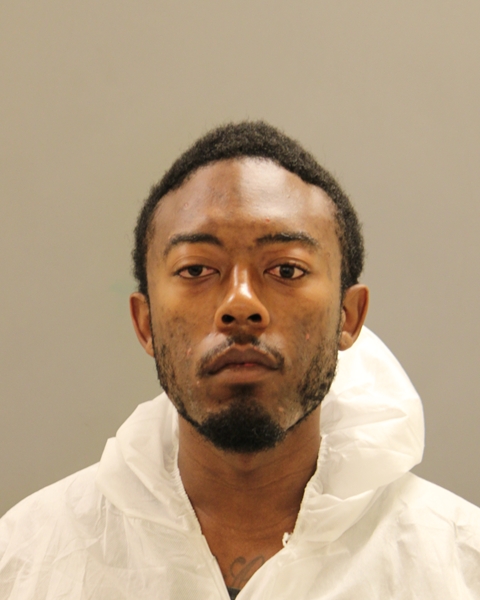
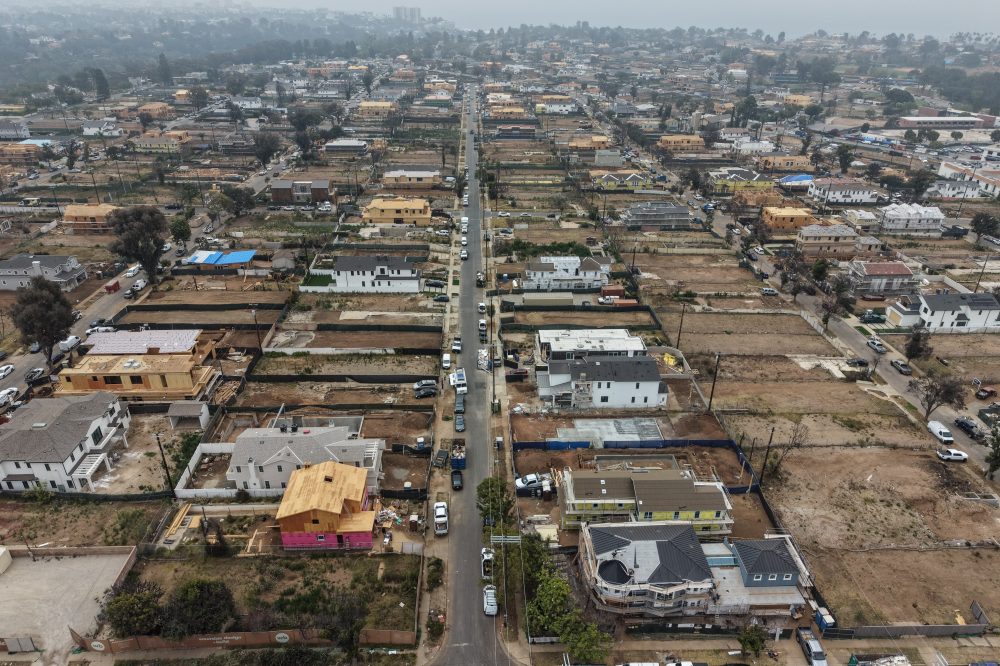
Jonathan Rinderknecht, 29, stands accused of setting a brush fire in the coastal Pacific Palisades neighborhood of Los Angeles on January 1, 2025 — a fire that prosecutors say reignited and ultimately became one of the most destructive wildfires in California history.
Throughout the trial, federal prosecutors have portrayed Rinderknecht as a mentally unstable and vengeful individual who was angry at society. Expert witnesses called by the government testified that the fire’s cause was “incendiary,” meaning it was started by an open flame. Defense attorney Steve Haney has consistently pushed a different theory: that fireworks were responsible for igniting the blaze.
That defense argument ran into trouble Monday when Haney called two firefighters to testify, only to receive sharply conflicting stories. Adding to the day’s drama, a juror was dismissed after speaking to one of the firefighter witnesses during a break.
Los Angeles Fire Department firefighter Robert Appleford, who was stationed in the Pacific Palisades, told the court he saw flashes of light and heard fireworks both before and after midnight that evening. Just minutes later, his department received a call reporting the brush fire that Rinderknecht is accused of starting.
However, Appleford’s captain, Dave Sanders, testified that he neither saw nor heard any fireworks that night. When Haney asked whether Sanders remembered telling fire investigator Kyle Brown during an interview that he had heard fireworks, Sanders said he did not recall saying that.
Haney declined to offer any comment on Sanders’ testimony.
The contradictory witness accounts were a setback for the defense, which also brought in two of its own expert witnesses to challenge the government’s investigation and argue that fireworks were the most probable cause of the fire. Prosecutors spent considerable time during cross-examination attacking the credibility of those experts.
Haney also called a Pacific Palisades resident who lost his family home in the fire to the stand. Veterinary student Ari Sallus testified that he was hiking up a nearby hill with his girlfriend on New Year’s Eve when he noticed a flash of light and heard a loud bang from behind him. He continued hiking and, upon reaching the top of the hill minutes later, spotted a small orange glow in the same direction the sound had come from. He said the light was growing and he called 911.
Last Thursday, the defense had also called a neighborhood security guard and another nearby resident to testify. Both said they heard fireworks and witnessed a group of teenagers running down the trail near the area the government identifies as the fire’s point of origin.
Monday also brought a juror dismissal tied to the firefighter testimony. During a recess, Judge Anne Hwang informed attorneys that she overheard a juror say “Thank you for your service” to Appleford as he stepped down from the witness stand.
Haney called the interaction “entirely inappropriate,” saying jurors should not engage with witnesses in any favorable or unfavorable manner.
Judge Hwang agreed, saying the juror’s gesture — despite Appleford’s testimony having nothing to do with his firefighting duties — revealed “strong feelings” on the matter. “It does demonstrate a bias toward the LA Fire Department,” Hwang said, before dismissing the juror and seating an alternate.
Monday’s proceedings also highlighted restrictions placed on the defense. Haney had originally intended to argue that the fire department bore some responsibility for failing to fully extinguish the January 1 fire. He sought to use statements from a firefighter and a state park ranger who indicated the blaze was still visibly smoldering when first responders departed, and that the firefighter had alerted supervisors to so-called hot spots in the burn area. That testimony was gathered through a lawsuit filed against the city by fire victims.
Judge Hwang, however, ruled that any evidence or argument suggesting negligence by the fire department in responding to the January 1 fire was off-limits at trial, saying it was irrelevant and risked confusing the jury.