
BOGOTÁ, Colombia — Colombia’s largest active rebel organization has declared a self-imposed ceasefire as the South American nation braces for a highly contentious presidential election this coming weekend.
The National Liberation Army, commonly known by its Spanish initials ELN, announced through its official X account that its fighters have been ordered to stand down from attacks against the Colombian military between June 20 and June 23. The country’s presidential election is scheduled for Sunday, June 21.
In its statement, the ELN said it stands behind citizens’ “right to vote freely” and emphasized that the group does not wish to “threaten any of the candidates, or stop people from voting.”
The rebel organization also took aim at outside nations, warning against any foreign involvement in the electoral process. “We cannot accept any involvement by leaders of other countries in political decisions that should only concern Colombians,” the statement read.
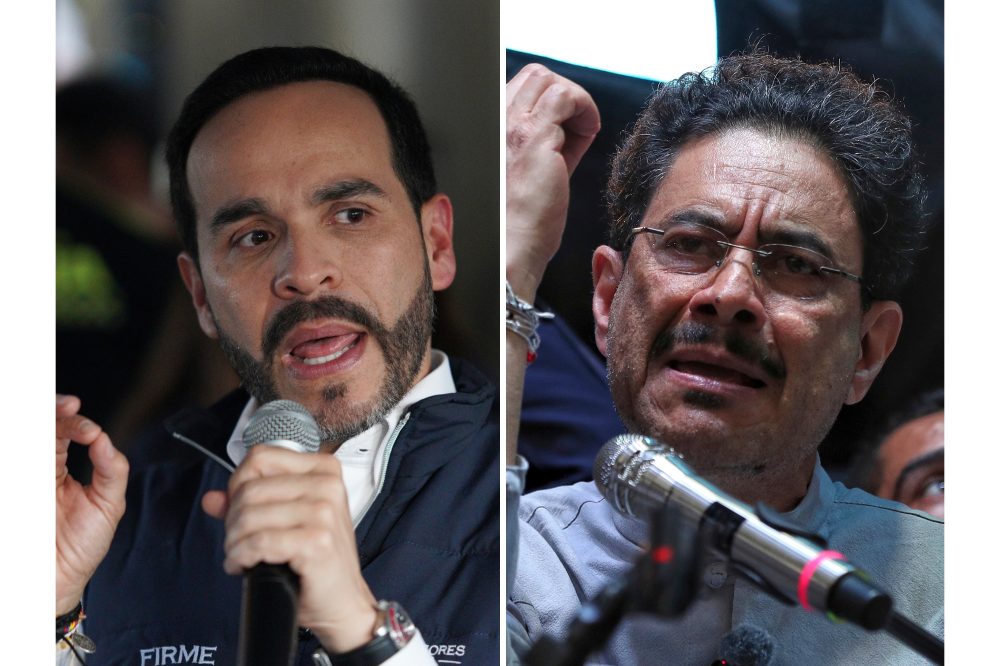
The election is shaping up to be a sharp contest between Sen. Iván Cepeda, a political ally of sitting President Gustavo Petro, and conservative attorney Abelardo de la Espriella, who received an endorsement from U.S. President Donald Trump earlier this month. De la Espriella has pledged to take a harder line against remaining rebel factions by ending peace negotiations that began under President Petro.
Political critics have long argued that rebel groups in Colombia have exploited past ceasefires as opportunities to rebuild their ranks, restock weapons, and tighten their control over rural areas, where they run extortion schemes and intimidate those who interfere with illegal operations.
The Petro government launched formal peace talks with the ELN back in 2023, but those negotiations collapsed in 2025 after the rebels carried out a string of violent attacks in northeastern Colombia that drove more than 56,000 residents from their homes.
Despite that breakdown, the Petro administration is still engaged in talks with other armed factions — including the Gulf Clan — groups known for controlling drug trafficking corridors and profiting from illegal mining operations.
Last week, the De la Espriella campaign called on Colombian prosecutors to look into whether rebel groups pressured voters in 109 isolated municipalities to cast ballots for Cepeda. The ruling party candidate pulled in over 70% of the vote in those areas during the first round of voting on May 31. Cepeda has flatly denied any connection between his campaign and rebel groups.
In that first-round contest, which featured 14 candidates, Cepeda received 40.9% of the total vote while De la Espriella led with 43.7%.
Colombia’s Defense Ministry estimates that the ELN maintains a force of more than 6,000 fighters operating across Colombia and Venezuela, where the group profits from illegal gold mining and the drug trade.
The ELN was established in the 1960s by union organizers and intellectuals motivated by social justice causes and inspired by the Cuban revolution. Over the decades, however, the group has become associated with criminal enterprises in the territories it controls, including extortion rings and attacks on oil infrastructure. President Petro himself has described the group’s leadership as “drug traffickers disguised as guerrilla fighters.”