
LONDON — The Church of England issued a formal apology Thursday for its role in forced adoptions that occurred as recently as the mid-1970s, recognizing the suffering endured by unmarried women who were sent to church-affiliated mother and baby homes across the United Kingdom.
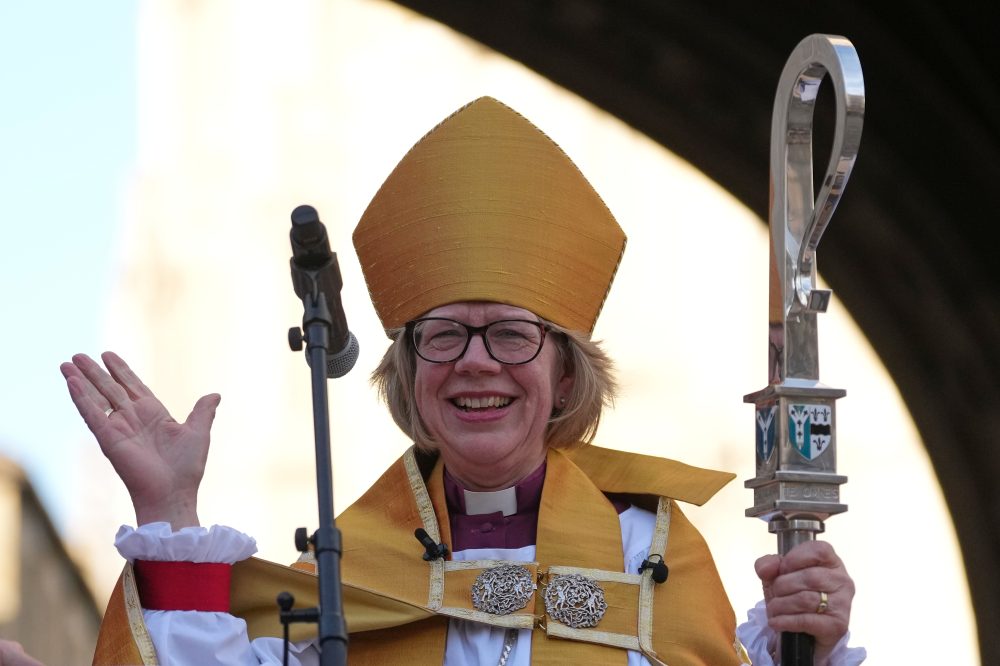
Archbishop of Canterbury Sarah Mullally — the first woman to serve in that role and the recognized spiritual leader of the global Anglican Communion — delivered the apology alongside the release of a report examining conditions at those homes during the period from 1949 to 1976.
The report revealed that many women and girls were required to perform menial labor as a form of punishment for having children outside of marriage. In some cases, their babies were described in terms that likened them to goods available to satisfy the demand for adoptions.
“We are profoundly sorry for the pain, trauma and stigma experienced — and still carried — by many people because of historical adoption practices in homes affiliated to the Church of England,” Mullally stated. “We have heard firsthand the accounts of mothers who were separated from their babies in circumstances where they had very few meaningful choices.”
Researchers found that during the time period covered by the report, approximately 185,000 children born to unmarried mothers were placed for adoption in England and Wales. The era was defined by what the report described as a “culture of shame, stigma and secrecy” surrounding unmarried mothers and their children, even as broader societal views on sex and marriage were beginning to shift.
Although church policies at the time stated that unmarried women had the right to keep their children — and that children had a right to remain with their mothers — staff at these homes frequently disregarded that guidance and worked in close coordination with adoption agencies, according to researchers.
The report noted that the official guidance “sat alongside language which expressed dehumanizing and dismissive attitudes, falling short of what would be expected towards anyone in the church’s care, not least people who were rendered especially vulnerable by their circumstances.”