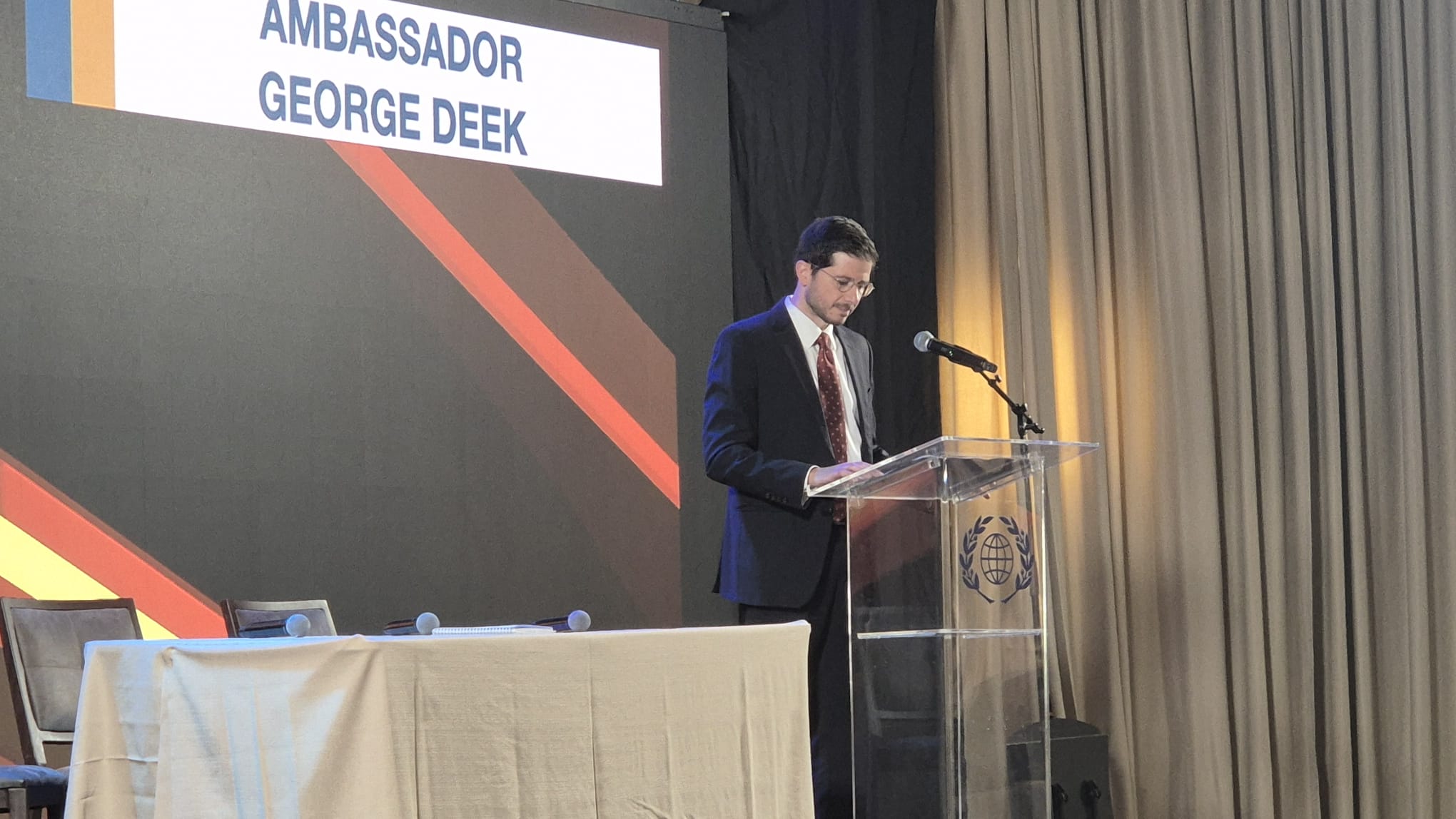

Just getting to Jerusalem had become a challenge in itself for those attending a major religious gathering this month.
U.S. military strikes on Iran, Iranian missile attacks directed at Israel, and repeated disruptions to regional air travel left many attendees uncertain about their travel plans. Tourists and residents in the area were also left wondering when they might be able to depart. Despite the turmoil, pastors, theologians, diplomats, and Jewish leaders pressed on to attend the International Christian Embassy Jerusalem, or ICEJ, summit — and the chaotic backdrop gave the event an intensity that organizers likely had not anticipated.
The Jerusalem Summit ran from June 9 through June 11, bringing together participants over three days to examine the relationship between Israel, the Christian Church, and the rise of antisemitism. By the time the summit opened, the regional conflict had moved well beyond background context — it had become part of the very atmosphere surrounding the discussions.
But the speakers who addressed the gathering were not focused solely on missile strikes, Iran, or airline schedules. Their central message pointed to a different kind of crisis — one brewing within segments of Christianity itself. According to those who took the stage, support for Israel among Christians is being steadily undermined by a lack of biblical knowledge, political grievances, narratives spreading through social media, and a resurgence of replacement theology, a belief that the Church has replaced the Jewish people in God’s covenant promises.
The warning delivered at the summit was clear: while the threats from outside Israel’s borders are visible and immediate, the erosion of Christian Zionist support from within faith communities may represent an equally serious long-term challenge.