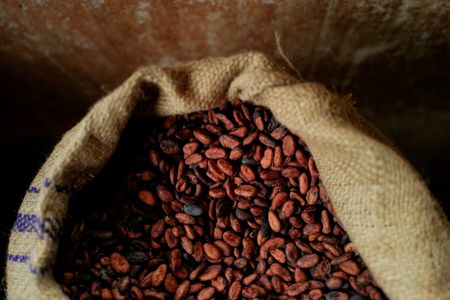

Major chocolate manufacturers are bringing real cocoa back to their products following a dramatic 70% drop in bean prices from record highs reached in late 2024.
The price decline has prompted companies to reverse course from last year’s trend of smaller candy bars, additional wafers, and cocoa-light alternatives that emerged when bean costs soared above $12,000 per metric ton due to weather problems and crop disease.
Confectionery giant Hershey has announced plans to increase cocoa content in its chocolate alternatives, which the company labels as chocolate candy. Following criticism from the grandson of Reese’s founder over recipe changes to classic Reese’s items, Hershey committed to restoring original formulas for all Hershey’s and Reese’s products starting next year.
Industry experts predict other manufacturers will follow this trend. Independent consultant Roger Bradshaw stated: “Absolutely it makes sense to switch back to real chocolate at current cocoa price levels.”
When contacted for comment, snack producer Mondelez did not respond regarding recipe modifications, while Nestle provided no immediate statement. Ferrero indicated its formulations aren’t influenced by temporary ingredient price changes but declined to discuss cocoa usage adjustments.
The dramatic price swing occurred after cocoa costs nearly tripled in 2024, forcing manufacturers to reduce bar sizes, incorporate more nuts and fruit, and develop cocoa-free alternatives. Companies also depleted cocoa reserves, increased consumer prices, and invested in products like ChoViva, a chocolate substitute made from sunflower seeds and oats created by German startup Planet A Foods through its collaboration with Barry Callebaut, the world’s largest chocolate manufacturer and cocoa processor.
These industry changes triggered a significant decline in cocoa demand that analysts believe caused the 70% price drop from late 2024 peaks. Veteran analyst and cocoa expert Steve Wateridge projects demand could reach nine-year lows in the 12 months ending in September, though he expects recovery beginning in the year’s second half.
“The factors that pushed us to these price lows are all likely to unwind,” Wateridge explained.
Price changes typically take about 10 months to reach retail chocolate prices because manufacturers secure purchase agreements months ahead and maintain substantial inventories. Supermarkets and retailers have pressured chocolate makers for lower prices since mid-2025, with some companies responding.
Mondelez reported reducing European chocolate prices last month and observing increased sales volumes. Barry Callebaut, whose ingredients appear in 25% of global chocolates, anticipates volume growth of 1% to 5% in the six months through August compared to the previous year, based on first-half financial results.
The company, which provides chocolate for Nestle’s Kit Kat bars and The Magnum Ice Cream Company, notes that current cocoa prices make traditional chocolate production less expensive than creating chocolate-flavored alternatives using vegetable fat instead of cocoa butter.
This shift means “some customers (are) going back to chocolate,” Chief Executive Hein Schumacher said in April, without identifying specific companies.
Legislative changes are also driving the return to cocoa in certain regions. Brazil, ranking as the world’s sixth-largest chocolate consumer per capita, enacted legislation this month requiring products labeled as dark chocolate to contain minimum 35% cocoa solids. This regulation aligns Brazil more closely with European and North American markets by strengthening cocoa content standards.
The transition back to traditional chocolate would benefit nearly 2 million impoverished cocoa farmers in leading producers Ivory Coast and Ghana, as increased demand should support bean prices. However, returning to pre-rally volume levels will require time.
“I expect it will take 2.5 years to get back to where we were before 2023/24” regarding demand, said a veteran cocoa consultant and former trader who requested anonymity. This timeline reflects various trends including Gen Z’s openness to innovations like cocoa-free chocolate and weight-loss medications’ impact on eating patterns.
Nevertheless, chocolate makers remain concerned about potential price increases, suggesting some alternatives will persist. These products maintain profitability in mass-market segments, according to Vontobel analyst Jean-Philippe Bertschy.