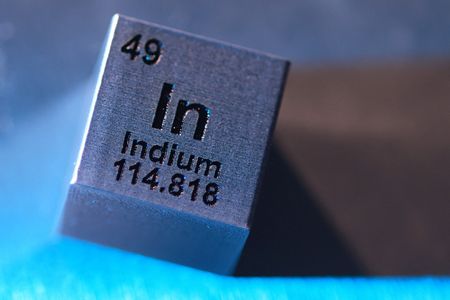

China is ramping up oversight of indium shipments, and buyers around the world are growing worried that the obscure but important metal could soon be added to Beijing’s growing list of export restrictions.
Indium is a byproduct of zinc refining that is widely used in displays and solder. More critically, it serves as the raw material for indium phosphide, which is used to manufacture high-speed optical chips that power next-generation AI data centers. China accounts for nearly 70% of global indium production, giving it enormous influence over the supply of the material.
Beijing already placed indium phosphide on its export control list in February 2025. Those restrictions have created enough of an obstacle for data center development that the CEO of an Nvidia-backed chipmaker called Coherent traveled to Beijing alongside President Donald Trump in May specifically to address the issue.
While indium metal itself has not yet been added to the export control list, two buyers told Reuters they have experienced heightened scrutiny from Chinese customs officials. A European buyer said that, for the first time this year, they were asked to provide information about end users — including where those customers were located.
A major buyer based in North America described the situation as “tense,” saying that approvals that once came through the same day now take several days. That buyer attributed the delays to increased examination of paperwork, though they had not been asked to provide additional end-user information.
China’s Ministry of Commerce did not respond to a request for comment, as the inquiry came during a public holiday. All buyers who spoke with Reuters asked not to be identified, citing the sensitivity of the matter.
The increased scrutiny is not being experienced uniformly. Two additional buyers told Reuters they had heard about the tighter checks but had not encountered them personally. As of now, no shipments have been confirmed as blocked.
Still, there is growing unease within the small indium industry that these developments may signal tighter controls ahead. End-user disclosure requirements, used by China and other countries with export control systems, help governments map global supply chains and identify potential pressure points.
Indium has already been flagged as a potential vulnerability for the United States. The U.S. Defense Logistics Agency issued a request for proposals earlier this year to stockpile as much as 403 tons of the material over a three-year period.
One North American buyer said they believed the new reporting requirements were “a precursor to restrictions or outright bans on exports.”