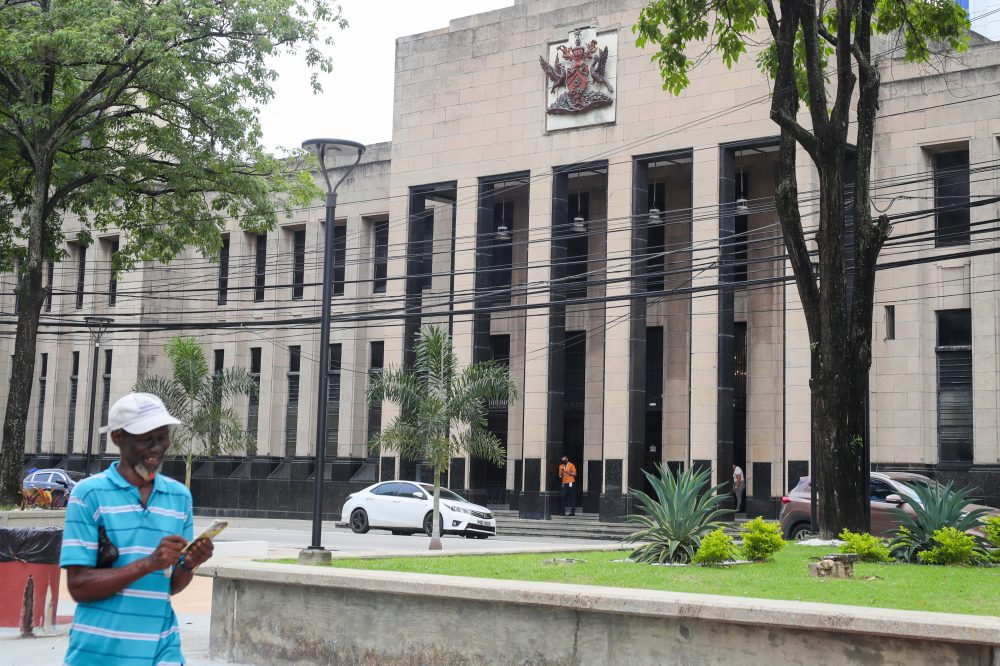

PORT-OF-SPAIN, Trinidad (AP) — The Caribbean nation of Trinidad and Tobago has implemented another state of emergency on Tuesday, just one month following the conclusion of their previous emergency declaration, as officials continue battling escalating violent crime rates.
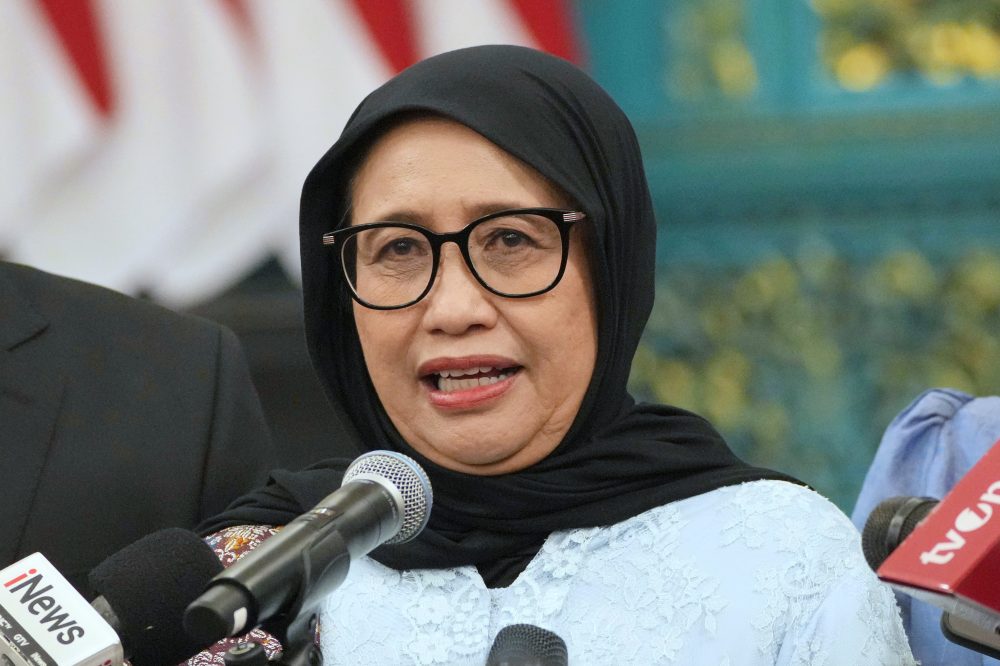
Prime Minister Kamla Persad-Bissessar referenced reliable intelligence regarding planned assaults on police officers when announcing the renewed emergency status, which provides government authorities with expanded powers including warrantless arrests and property searches.
The twin-island nation has operated under emergency conditions for approximately 10 months out of the past 14, with their most recent emergency period concluding on January 31.
According to Bissessar, the country’s National Security Council has observed that continuing criminal activity has resulted in “multiple deaths due to mass shootings and that the continuance of reprisal shootings amongst criminal gangs, if left unchecked, would endanger public safety.”
The emergency declaration will remain in effect for up to 15 days initially, though officials may choose to extend the timeframe as necessary. Authorities have not yet revealed whether a curfew will be implemented.
This most recent crime-fighting measure is anticipated to hurt the nation’s tourism industry.
“It really isn’t good for tourism,” said Reginald Mac Lean, president of the Tobago Hotel and Tourism Association.
Given the current conflicts in Ukraine and the Middle East, Mac Lean explained the emergency comes “at a time when we should be capitalizing on what is happening in the rest of the world, to encourage people to come to our shores.”
The nation has already documented 63 homicides this year, falling just one death short of last year’s count for the same time period.
Opposition leaders have strongly criticized the latest emergency declaration, claiming the administration has failed to effectively tackle criminal activity.
“This government has demonstrated time and again that it prefers authoritarian measures over sound, strategic crime management, and once again, it has chosen to restrict the freedoms of citizens rather than address the systemic problems of crime in Trinidad and Tobago,” opposition leader Pennelope Beckles said in a statement.