
Rising fuel costs are pushing more drivers to consider hybrid vehicles for their next car purchase, and automotive experts say that’s a smart move for those who spend significant time on the road. While the hybrid market offers numerous options with many models priced competitively against traditional gas engines, choosing the right hybrid requires careful consideration to maximize savings potential.
Automotive specialists at Edmunds have developed four essential strategies to help buyers select hybrids that will deliver the greatest financial benefits.
Since hybrid vehicles generally carry higher sticker prices than conventional models, buyers should target options with minimal price premiums over their gas-only versions. This approach allows drivers to recover the additional investment more rapidly through fuel cost reductions. The 2026 Hyundai Santa Fe SE hybrid demonstrates this principle well, carrying only a $1,350 premium over the standard Santa Fe. EPA calculations show the hybrid variant can reduce annual fuel expenses by $850 for drivers covering 15,000 miles yearly, potentially offsetting the extra purchase cost within two years.
Other vehicles offering quick payback periods include Ford’s compact Maverick pickup and the Lexus NX luxury compact SUV when equipped with hybrid powertrains. However, some hybrid options require longer recovery periods. The Honda Civic hybrid, for instance, commands a $2,700 premium while delivering only $450 in annual fuel savings according to EPA estimates.
Buyers can calculate payback periods using the EPA’s fuel economy comparison website, which allows direct cost comparisons between hybrid and conventional versions of specific models.
For drivers prioritizing immediate fuel savings over purchase price considerations, focusing on vehicles with exceptional efficiency ratings proves most beneficial. The 2026 Toyota RAV4 stands out among compact SUVs, offering exclusively hybrid powertrains with EPA ratings reaching 43 mpg combined.
Smaller vehicle options include the Kia Niro, achieving up to 53 mpg, while the Toyota Prius remains the efficiency champion with EPA estimates reaching 57 mpg combined for 2026 models.
Pre-owned hybrid vehicles present opportunities to eliminate price premiums entirely. Higher-mileage or slightly older hybrid models often cost equivalent amounts to comparable conventional vehicles. Buyers considering used hybrids should seek certified pre-owned options that include extended warranty coverage to offset potential concerns about age or mileage.
Dealerships sometimes price slow-moving hybrid inventory at levels matching conventional vehicles regardless of age or condition, as dealers work to clear stagnant stock.
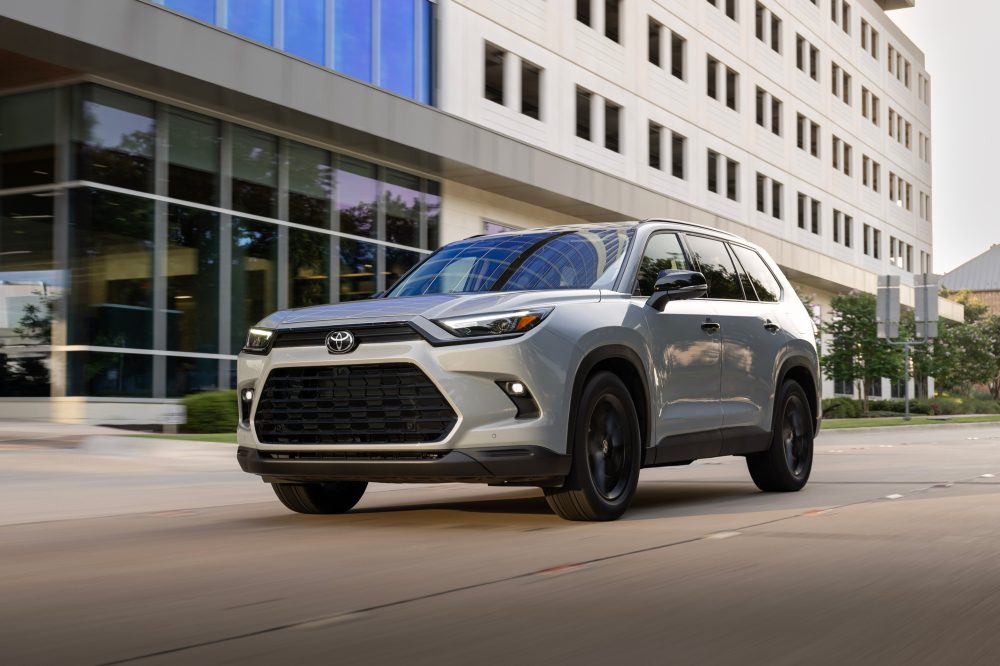
Large families seeking three-row SUVs can benefit significantly from hybrid powertrains in this vehicle segment. The new 2026 Hyundai Palisade Hybrid SEL can reduce annual fuel costs by $1,100 compared to its conventional counterpart for drivers covering 15,000 miles yearly, creating a two-year payback period. Toyota’s Grand Highlander Hybrid offers similar value propositions for families requiring spacious seating.
Beyond financial advantages, hybrid ownership provides additional benefits including increased power output compared to conventional engines, smoother operation, reduced emissions, and decreased brake maintenance due to regenerative braking technology.