
Political campaigns are spending dramatically more money on protection as threats against candidates and elected officials continue to escalate nationwide, according to new research published Thursday.
A study by the Public Service Alliance reveals that federal political committees allocated more than $40 million for security-related expenses during the 2023-24 election cycle – marking a five-fold increase compared to spending levels from ten years ago.
The nonpartisan organization, which specializes in public official safety issues, analyzed publicly available Federal Election Commission records to compile their findings. However, the research did not identify specific candidates with the highest security expenditures.
Report author Justin Sherman emphasized the troubling nature of these trends. “This is not a good place to be as a country,” Sherman stated.
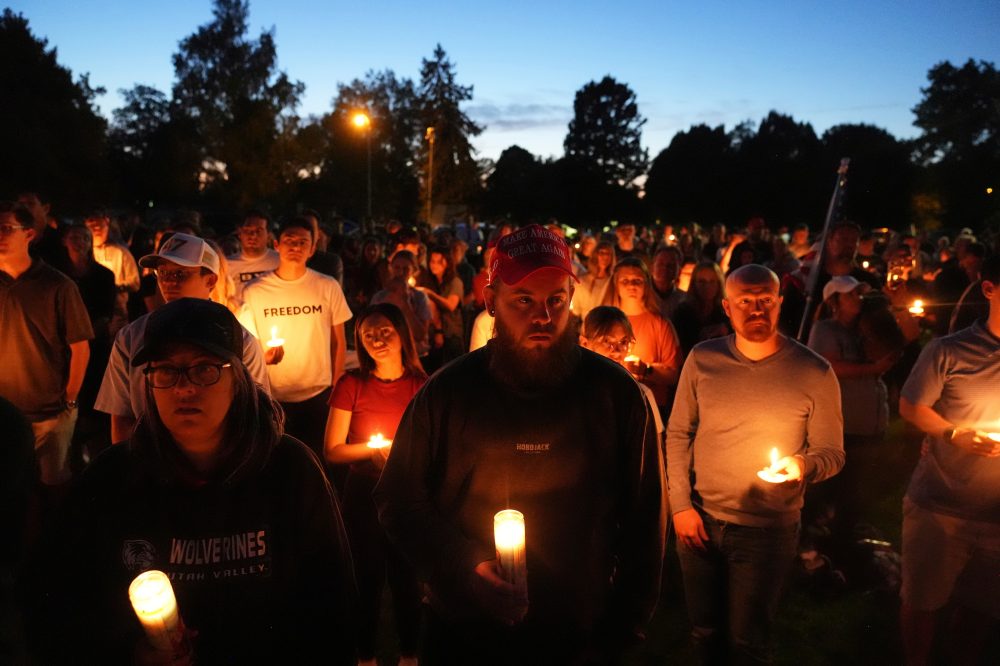
The escalating security investments come following a series of violent incidents targeting political figures over recent years. These include the 2017 Alexandria, Virginia shooting during Republican congressional baseball practice, the 2022 hammer attack on Democratic then-House Speaker Nancy Pelosi’s husband in California, and the 2024 Pennsylvania rally assassination attempt against Republican then-candidate Donald Trump. Additional tragedies occurred last year with the killings of Minnesota Democratic state lawmaker Melissa Hortman and her spouse, plus conservative commentator Charlie Kirk in Utah.
Digital protection services represent one of the fastest-growing security categories. Spending on cybersecurity and online threat monitoring surged from just $50,000 during the 2015-16 campaign season to $900,000 in the most recent cycle.
Perhaps most concerning, campaigns invested nearly $1 million on residential security measures over the past decade after spending zero dollars in this category during 2015-16. These expenses cover response service contracts, window reinforcements, and surveillance equipment installation.
Sherman highlighted how home-based threats represent a disturbing new development. Critics increasingly publish elected officials’ residential addresses on social platforms – a practice called doxing – leading to attacks like those against Pelosi’s husband in San Francisco and the Minnesota lawmaker at their homes.
“It’s expected that, say, a GOTV event or a campaign rally is going to have metal detectors and security,” Sherman explained. However, targeting candidates’ and officeholders’ residences creates an unprecedented challenge.
The researcher noted that while current Congress members receive office budget allocations for security purposes, prospective candidates must now consider home protection costs when deciding whether to seek office.
“It’s a troubling time when the security spend is becoming a greater barrier for someone running for office,” Sherman concluded.
The report’s calculations focused only on explicitly labeled security expenses in FEC filings, meaning actual protection costs likely exceed the documented totals. These security expenditures remain a relatively small portion of the billions spent each election cycle, but Sherman believes the figures represent conservative estimates of true campaign security investments.