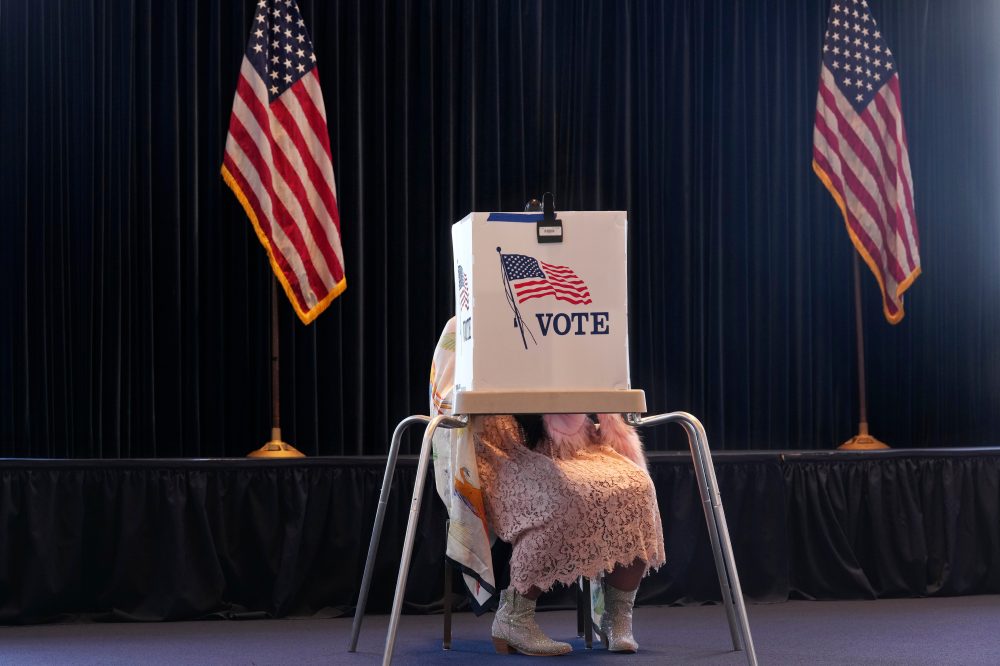

State officials in California confirmed Friday that voters will decide this November on a ballot measure mandating citizenship verification during voter registration and identification requirements at polling locations.
The initiative emerges during heightened national discussions about election security and the qualifications voters should meet to participate in elections. Congressional Republicans, with encouragement from President Donald Trump, are advancing similar citizenship verification measures at the federal level.
Republican supporters of the California measure frame it as a reasonable step to bolster public trust in elections across a state where over 23 million residents are registered voters. Election officials verified that advocates collected enough petition signatures to secure ballot placement.
“We already show ID for everyday activities like flying, opening a bank account and picking up prescription medications. Thirty-six other states and many countries around the world already use voter ID,” said state Sen. Tony Strickland, a Republican from Huntington Beach.
“Californians deserve secure, transparent elections,” added Strickland, a proponent of the proposal.
Should voters approve the measure in the predominantly Democratic state, additional requirements would mandate that mail-in ballot voters provide the final four digits of government identification, such as Social Security numbers.
California ranks among 14 states plus Washington D.C. that currently do not mandate voter identification at polls or during registration.
Although California has occasionally faced scrutiny regarding vote count legitimacy, research demonstrates that voter fraud nationwide remains uncommon. While non-citizen voting has been documented, state investigations reveal such instances are infrequent and typically result from errors rather than deliberate attempts to influence elections.
The majority of California residents vote through mail-in ballots, and the state’s commitment to thorough vote counting has resulted in a reputation for extended tallying periods that can stretch for weeks or longer.
This push for enhanced voter registration and mail ballot restrictions arrives during a pivotal election year, as Californians will select their next governor while congressional control hangs in the balance.
Critics contend that such mandates create voting barriers, particularly affecting elderly citizens, individuals with disabilities, and those lacking driver’s licenses.
The president maintains his claims about the 2020 presidential election outcome and continues making unfounded assertions about widespread fraud. However, numerous judges, including Trump appointees, rejected these claims. His former attorney general and comprehensive Associated Press investigations found no evidence of widespread fraud capable of altering results. Extensive reviews, audits, and recounts in contested battleground states confirmed Democrat Joe Biden’s victory, including several conducted under Republican oversight.