
A unique California medical program that delivers the globe’s only treatment for life-threatening infant botulism brings hope to devastated families in an unexpected way – whimsical birthday cards celebrating their children’s first year of life.
Each year, employees at California’s Infant Botulism Treatment and Prevention Program create and send approximately 200 handmade cards to honor the recovery of youngsters who battled this uncommon and serious illness.
Recently, this recipient list has expanded to include many American infants impacted by a botulism outbreak linked to tainted ByHeart baby formula.
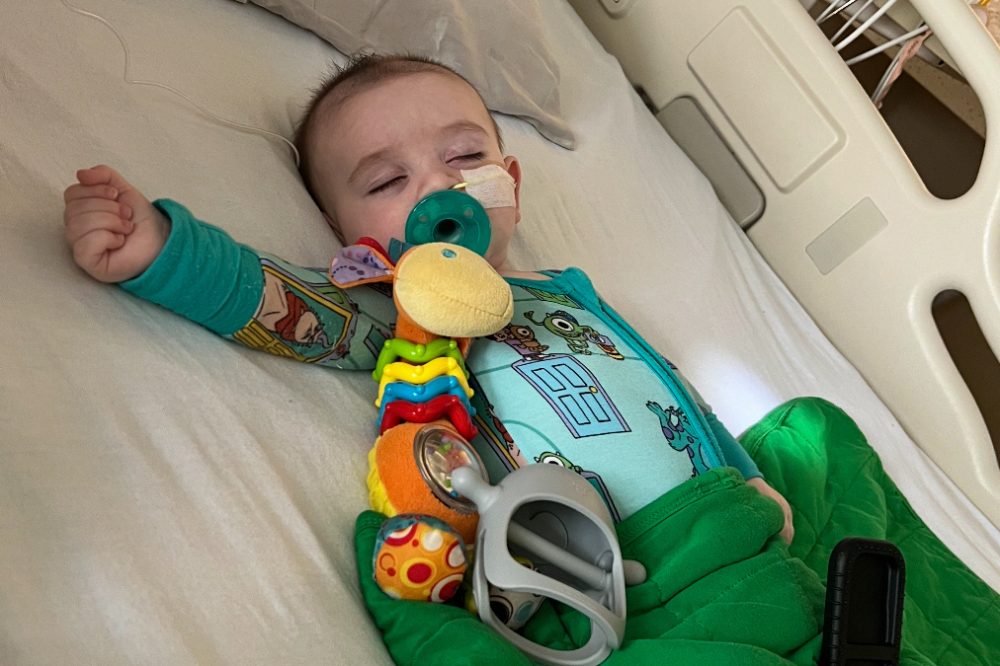
Amy Mazziotti from Burbank, California, was among those who received a birthday greeting for her son Hank this past September, following his 12-day hospital stay after consuming the contaminated ByHeart formula.
“The fact that they take the time to send hand-drawn cards to each baby is incredibly special,” Mazziotti expressed. “When you’re worried about your baby, it’s the small acts like this that somehow feel really big.”
Robin Hinks, a program assistant, oversees the card initiative, handling everything from artwork to distribution and record-keeping.
“I am a big fan of drawing animals with party hats,” Hinks explained, describing her preference for crayons and colored pencils. “Like, here’s a frog with some balloons and a little penguin.”
While the program’s main mission focuses on diagnosing and treating this condition that develops when infants consume botulism spores that grow in their intestines and create a harmful toxin affecting the nervous system and causing paralysis, the personal touch matters greatly. Mortality rates previously reached 90%, but proper treatment has reduced deaths to under 1%.
The exclusive treatment, called BabyBIG, consists of an intravenous medicine created from combined blood plasma of adults who received botulism immunizations. California’s program serves as the worldwide supplier.
Given the rarity of this disease, affecting roughly 200 children annually, the botulism center has evolved into a vital resource and support network for families navigating this difficult experience.
“Support of the babies and their families remains paramount to our program and our mission,” stated Dr. Jessica Khouri, the program’s senior medical officer.
Heather Goody from Gallipolis, Ohio, remembered feeling isolated when her daughter MaryEllen developed infant botulism in 2016. Almost ten years later, Goody continues managing a Facebook community called Infant Botulism Awareness, connecting parents of affected children. The group now includes over 500 members.
She vividly remembers the emotional impact of receiving MaryEllen’s first birthday card.
“It brought all the feels, but most importantly the feeling of gratitude that she was thriving in all areas of life,” Goody recalled.
This ongoing relationship was championed by the late Dr. Stephen Arnon, who alongside his team in 1976 discovered this specific type of botulism affecting infants under one year old, then dedicated the following 45 years to developing effective treatments.
Arnon, who passed away in 2022, maintained regular contact with families of children affected by infant botulism, keeping them informed as his research advanced.
Currently, almost 1,500 families belong to the botulism program’s parent community, including children who received treatment twenty years ago. Members celebrate everything from preschool milestones to college admissions and other significant achievements.
“Former patients have gone on to have families of their own and keep in touch with us,” Khouri noted. “It really is an incredible part of the work we do.”