
The budget airline that revolutionized air travel with ultra-low fares and controversial advertising has permanently grounded its fleet after more than three decades of operations.
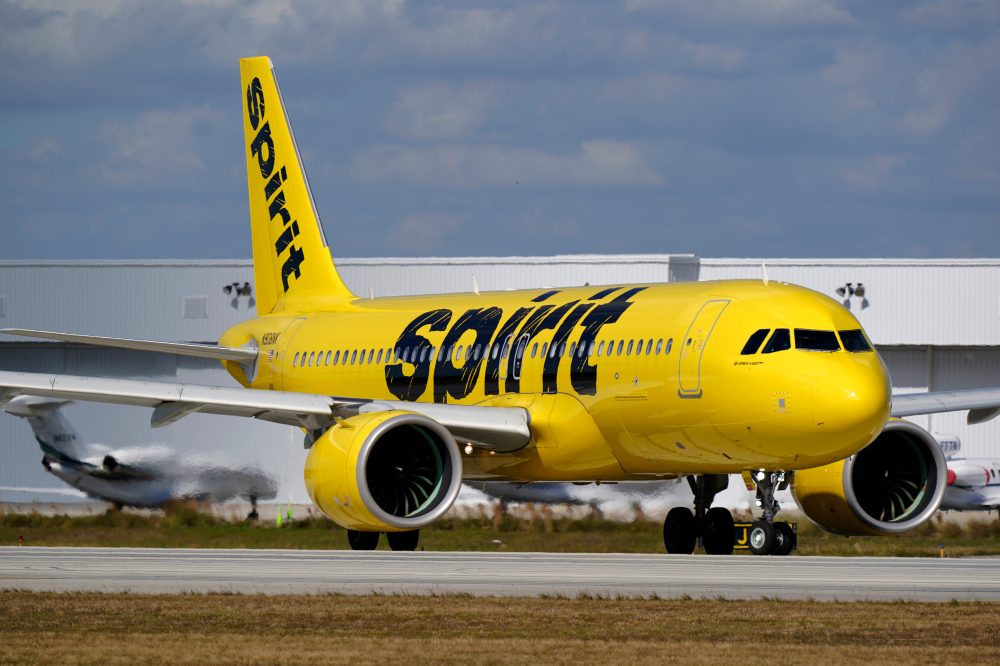
Spirit Airlines, recognized by its distinctive yellow aircraft, completed its final journey Saturday when a plane departed Detroit and touched down in Dallas, marking the end of an era for the discount carrier that once held a stock market value of approximately $5.5 billion.
“For more than 30 years, Spirit Airlines has played a pioneering role in making travel more accessible and bringing people together while driving affordability across the industry,” CEO Dave Davis said in a statement.
The closure follows two bankruptcy proceedings within two years that enabled Spirit to settle debts with creditors. Recent months saw desperate cost-cutting measures including route eliminations, union contract renegotiations, and pursuit of potential government financing through the Trump administration that ultimately failed to materialize.
Rising jet fuel costs stemming from the Iran conflict ultimately depleted the company’s remaining cash reserves at an unsustainable rate, forcing management to cease operations.
“This is tremendously disappointing and not the outcome any of us wanted,” Davis said.
The carrier originated as Charter One Airlines in the early 1980s, operating vacation charter services before evolving into the no-frills operation that gained prominence in the 2000s with its “unbundled” pricing strategy. This approach allowed travelers to skip standard amenities like checked baggage, advance seat selection, and even printed boarding passes, or pay additional fees for these services.
Former CEO Ben Baldanza, known for his extreme cost-consciousness, exemplified the airline’s philosophy by ordering plain hamburgers to avoid paying for unwanted toppings and flying in the same cramped coach seats as passengers. He defended the company’s fee structure, arguing that customers were simply seeing itemized charges for services that other airlines bundled into higher base fares.
Despite frequent customer complaints, Spirit’s business model proved so successful that established airlines with decades of experience and international networks adopted similar strategies, introducing their own “basic economy” fare categories and reducing amenities.
During its final day of service, Spirit transported over 50,000 passengers safely to their destinations, according to company representatives. The airline also coordinated transportation for more than 1,300 crew members to return home. Approximately 17,000 employees, including some with over 25 years of service, discovered Friday they had lost their positions, with many learning about the shutdown through news coverage.
The Spirit flight attendants union issued a Saturday memo to members recognizing the airline’s closure and its impact on workers.
“While the country has had a blast making Spirit the butt of the joke, we’ve built a strength together that could withstand anything that anyone throws at us,” it said. “And that is no joke.”
Even as operations ended abruptly, Spirit maintained a memorable presence in the aviation industry.
Kendria Talton, who traveled Friday from Dallas to Atlanta with her daughter for a dance event, found herself stranded at the airport Saturday seeking alternative transportation home.
Talton explained she chose Spirit repeatedly due to pricing. “Other than that, I mean nobody even likes Spirit,” she said. “They’ve always talked about Spirit for years.”
Much of the airline’s notoriety stemmed from provocative marketing campaigns that critics condemned as inappropriate and sometimes created public relations problems.
Following the 2010 Deepwater Horizon oil spill, Spirit launched a “Check Out the Oil on Our Beaches” promotion, creating a double meaning between suntan lotion and crude oil.
The company later introduced a “Weiner Sale” during New York Congressman Anthony Weiner’s texting controversy, featuring the tagline “fares just too hard to resist.” Another notorious campaign promoted a “MILF Sale,” ostensibly meaning “Many Islands, Low Fares” while clearly referencing the popular internet acronym.
Paradoxically, Spirit’s downfall came partly from its own influence, as traditional carriers adopted similar low-cost strategies and began attracting Spirit’s price-conscious customers with competitive fares.
While Spirit had experienced financial difficulties for years, the shutdown announcement surprised many industry observers.
Earlier this year, company officials expressed confidence about emerging from their second bankruptcy during late spring or early summer following preliminary agreements with lenders.
However, U.S. and Israeli military actions against Iran four days later drove global oil prices above $100 per barrel. Gasoline costs increased accordingly, and jet fuel prices more than doubled in certain markets.
Spirit faced particular challenges during and following the COVID-19 pandemic, dealing with increased operational expenses and growing debt obligations. By filing for Chapter 11 protection in November 2024, Spirit had accumulated losses exceeding $2.5 billion since early 2020.
University of Houston student Angelina Deruelle, 23, waited at Fort Lauderdale–Hollywood International Airport Friday after her Texas-bound flight was cancelled on Spirit’s final operating day. She expressed concern about losing an affordable travel alternative.
“I feel like Spirit is just affordable, simple, nothing too fancy,” she said. “It’s just like home.”