
LONDON — The United Kingdom announced Monday that it has imposed sanctions on two Russian research institutes along with senior staff members it says are connected to Moscow’s chemical weapons program and played a role in creating the poisons used against Russian opposition activist Alexei Navalny.
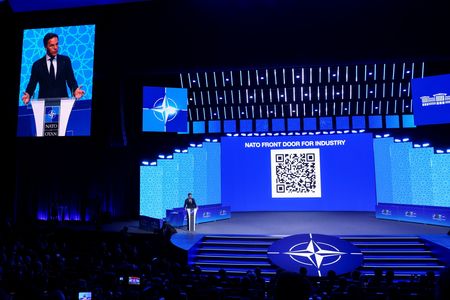
British officials described the sanctions as a measure designed to expose and discourage Russia’s use of chemical weapons. The announcement comes in the lead-up to a NATO summit in Ankara, Turkey, and follows similar steps already taken by the European Union.
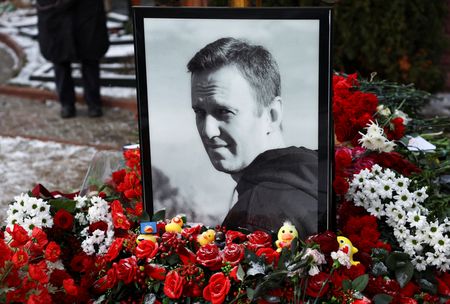
Back in 2020, Navalny became gravely ill aboard a flight over Siberia. Laboratories in Western countries determined he had been poisoned using a Novichok nerve agent — a category of military-grade chemical weapons that originated during the Soviet era.
Then in 2024, Navalny died after being poisoned with Epibatidine, a toxin derived from poison dart frogs, according to Britain and several European allies. Russia has denied any responsibility for his death.
The British government stated Monday that the individuals and institutions now under sanctions were involved in the development of both the Novichok agent and Epibatidine.
Foreign Minister Yvette Cooper said Russia’s repeated deployment of chemical weapons violates international law and poses a danger to security around the world.
“From the use of Novichok nerve agents in Salisbury to Epibatidine in Siberia, poisoning Dawn Sturgess and Alexei Navalny, Russia continues to use barbaric tools to inflict death and suffering on innocent civilians, including in Ukraine,” Cooper stated.
Russia’s embassy in London pushed back sharply, posting on the messaging platform Telegram that it “categorically” rejected the accusations and called them “slander.” The embassy argued the claims were being used to manufacture a false image of a Russian threat and to justify hostility toward Moscow.
The Novichok nerve agent was also at the center of the 2018 poisoning of former Russian double agent Sergei Skripal and his daughter Yulia in the English city of Salisbury. Both survived that attack, but a civilian named Dawn Sturgess later died after coming into contact with a discarded container that held the substance.
A British public inquiry concluded last year that Russian President Vladimir Putin must have personally ordered the GRU intelligence operatives to carry out the attack on Skripal. Russia has consistently denied any involvement, dismissing the accusations as anti-Russian propaganda.