
Financial markets are grappling with mounting inflation pressures as ongoing Middle East conflicts continue to push energy prices higher and squeeze bond investors globally.
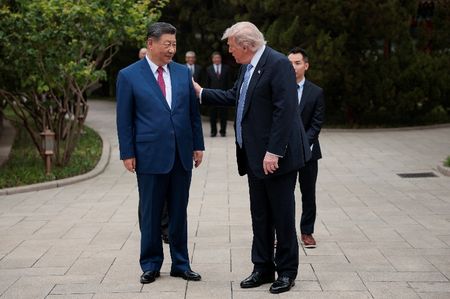
A highly anticipated meeting between U.S. President Donald Trump and Chinese leader Xi Jinping this week generated significant attention but delivered minimal concrete results. While the leaders exchanged diplomatic pleasantries and shared elaborate meals, substantive agreements remained elusive. The only notable outcomes were the completion of a Boeing contract that fell short of market expectations and discussions about potential agricultural purchases worth billions.
The ongoing Iran conflict, now in its 13th week, remains a critical concern for energy markets. Trump had previously described the month-long ceasefire as being “on life support” before Thursday’s discussions with Xi. Although both nations agreed the Strait of Hormuz should reopen completely and China pledged to avoid sending military equipment to Iran, Beijing stopped short of committing to pressure Tehran regarding the strait’s closure.
Oil prices maintained their position above $100 per barrel throughout the week, climbing approximately 3% by Friday morning as hopes for a swift conflict resolution diminished. Despite the high stakes, market reactions have remained relatively controlled.
The global energy situation has found a precarious equilibrium, with the U.S. and other nations increasing exports to offset Middle Eastern supply shortages. Countries worldwide have reduced their oil reserves while China has decreased its purchases, and Russia has expanded its energy exports to help fill the gap.
However, experts warn this stability may prove temporary as peak summer demand approaches. Recent reports indicate more tankers have been moving through the Strait of Hormuz with Tehran’s apparent approval, though this development may establish an unsustainable precedent that could spark future conflicts.
These energy market dynamics are creating significant headaches for inflation and bond markets worldwide. Both U.S. consumer and producer prices posted their largest increases in years during April, driven by the energy crisis. Even the “trimmed-mean” inflation measurement, which excludes extreme monthly price fluctuations, showed concerning growth.
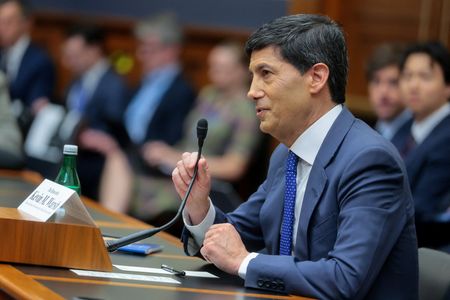
This inflation trend presents particular challenges for incoming Federal Reserve Chair Kevin Warsh, who received Senate confirmation Wednesday. While he might favor more accommodative monetary policies aligned with President Trump’s preferences, current economic conditions make such moves difficult to justify. Although arguments for interest rate reductions still exist, this week’s inflation data weakened that position considerably.
Market observers now view a rate increase as more probable than a cut over the coming year, as the Fed may need to demonstrate its commitment to fighting inflation to preserve its credibility.
Bond markets worldwide have suffered under these conditions. This week’s 30-year bond auction produced yields of 5.046%, marking the highest level for that duration since August 2007. Short-term borrowing costs are also climbing steadily.
Rising yields extend beyond U.S. borders, affecting all Group of Seven economies as they confront increasing inflation pressures and additional economic stressors.
Britain faces particular vulnerability, with political instability driving long-term borrowing costs to nearly 30-year highs. Prime Minister Keir Starmer confronted resignation demands this week following his Labour Party’s significant losses in Thursday’s local elections. While Starmer has rejected these calls, the possibility of a leadership challenge persists.
Global stock markets largely ignored negative developments for most of the week, supported by continued positive artificial intelligence earnings reports. Major U.S. indices reached new record highs Wednesday, with momentum continuing Thursday amid a technology sector rally led by Nvidia after news that the U.S. had approved approximately 10 Chinese companies to purchase its H200 chips.
Technology-focused Asian markets also gained earlier in the week, with South Korea’s SK Hynix appearing positioned to join Samsung in the trillion-dollar market capitalization category. However, these gains faltered Friday as global bond market turmoil spread.
The sustainability of stock market gains remains questionable, though Nvidia’s upcoming earnings report next week could reignite artificial intelligence enthusiasm and overshadow other market concerns.