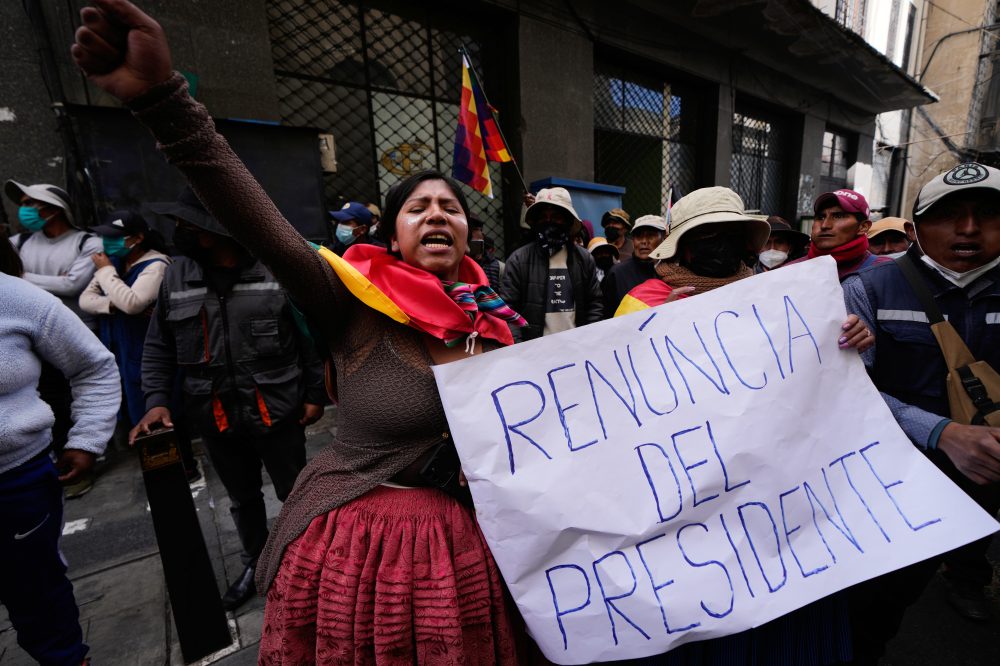

LA PAZ, Bolivia — Bolivian President Rodrigo Paz confronts his most serious challenge since taking office six months ago, as nationwide demonstrations and road blockades have effectively placed the political capital under siege.
For two weeks, road closures organized by the Bolivian Workers’ Central, COB, along with peasant unions and miners, have resulted in bare store shelves throughout La Paz and critically low oxygen supplies at hospitals. Government officials report at least three fatalities occurred when emergency responders couldn’t reach medical facilities due to the blockades.
Monday witnessed clashes between police and supporters of Bolivia’s former President Evo Morales in the capital, as they joined various groups calling for the current president’s removal. Paz operates without a legislative majority or strong party support to stabilize his administration.
This crisis represents the most significant test for Paz, a centrist leader with pro-business leanings who assumed power six months ago during a period of conservative electoral victories across the region.
“Those seeking to destroy democracy will go to jail,” Paz declared on Friday, as the blockades spread throughout nearly all of Bolivia.
The COB initially focused on wage increase demands, while peasant unions called for reliable gasoline supplies. Mining groups are conducting separate negotiations for expanded mining territory access. Public school educators are also in independent discussions about pay raises.
“These demands have been largely addressed in a manner consistent with current realities; however, there are dark forces seeking to destabilize our democracy,” said presidential spokesperson José Luis Gálvez, in an allusion to influential former President Evo Morales.
While Paz maintains he took over a “bankrupt state,” critics fault his slow response to what they call the nation’s worst crisis in four decades, characterized by fuel scarcity and inflation that reached nearly 20% in the previous year.
Business groups report the continuing demonstrations and highway blockades are costing Bolivia’s economy more than $50 million daily and have left approximately 5,000 vehicles stuck on roadways.
Morales organized the recent march from his hiding place in Bolivia’s isolated tropical regions. He has remained in the remote highlands for eighteen months, avoiding arrest on charges related to alleged sexual abuse of a 15-year-old girl. He maintains the accusations are politically driven.
The Movement Toward Socialism, MAS, which controlled Bolivia for twenty years under Morales and subsequently Luis Arce, experienced a devastating electoral loss last year after a public dispute between the two former leaders.
“The government and the right wing claim that I am a political corpse and that I lack the ability to mobilize anyone, yet they continue to blame me,” Morales said recently on the social media platform X. “As long as structural demands — such as those concerning fuel, food and inflation — remain unaddressed, the uprising will not be quelled.”
Despite his aggressive statements, political observers doubt Morales retains significant mobilization capabilities, suggesting he’s amplifying the unrest solely to avoid prosecution.
The end of the MAS period has left Bolivia’s political scene severely divided, with no party establishing clear dominance.
Paz achieved an unexpected election win, but the Christian Democratic Party — his path to the presidency — soon split within the legislature. The president also maintains a public conflict with his vice president, former police officer Edman Lara.
Paz launched his presidency energetically, engaging with international partners to end the isolation that marked the MAS years. Though his diplomatic efforts resulted in various investment and loan commitments, much of this funding remains unrealized.
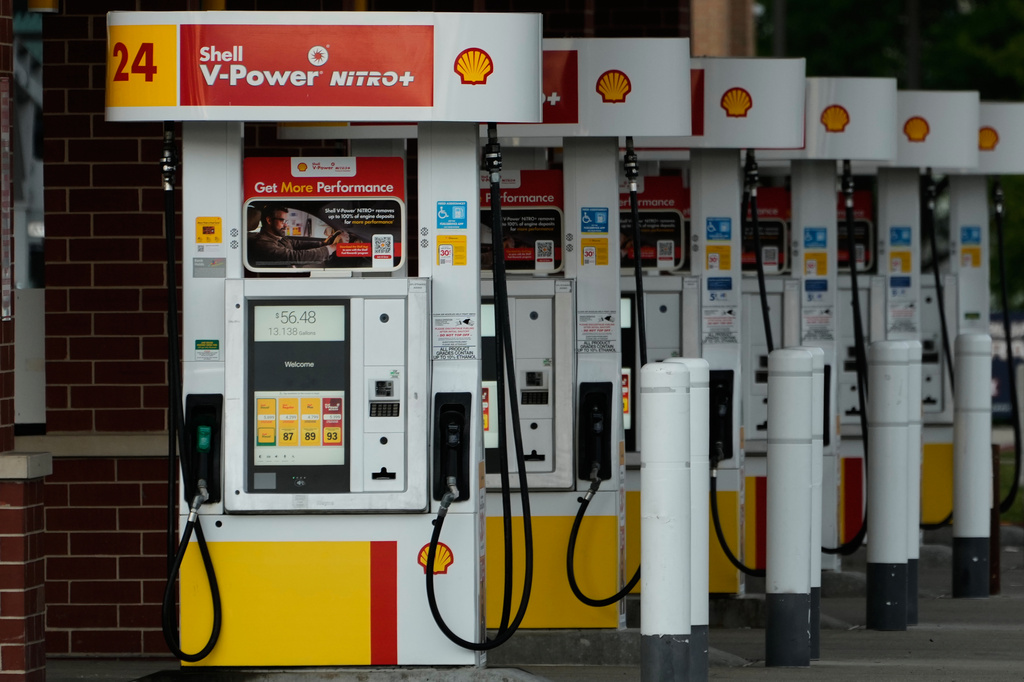
His initial action eliminated fuel subsidies, raising gasoline and diesel costs without immediate public backlash from citizens tired of previous shortages. However, the administration imported poor-quality gasoline, prompting transportation worker protests over vehicle damage.
The “junk gasoline” controversy sparked strikes and demonstrations among transport workers and led to two senior resignations at the state oil company.
The current unrest in Bolivia concerns neighboring countries. Eight allied Latin American nations, spanning from Chile to Costa Rica, issued a joint declaration condemning “any action aimed at destabilizing the democratic order.” Argentina announced plans for a week-long humanitarian airlift to address supply shortages.
The United States, currently rebuilding diplomatic ties with Bolivia after years when Morales positioned the country against Washington, expressed support for Paz’s efforts “to restore order for the peace, security and stability of the Bolivian people.” The U.S. State Department issued a travel advisory this week warning American citizens visiting Bolivia to remain alert.