
Chinese foreign ministry officials issued a plea Friday for immediate cessation of Middle East hostilities, expressing alarm over the conflict’s growing impact on worldwide commerce, energy supplies, and shipping lanes after nearly three weeks of fighting.
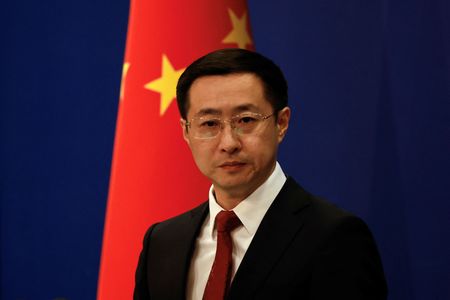
Foreign ministry spokesman Lin Jian addressed the escalating situation as Muslim communities worldwide conclude Ramadan observances. “History and reality have repeatedly shown the world that force is not the solution to problems and armed conflict will only breed new hatred,” Lin stated during a ministry briefing.
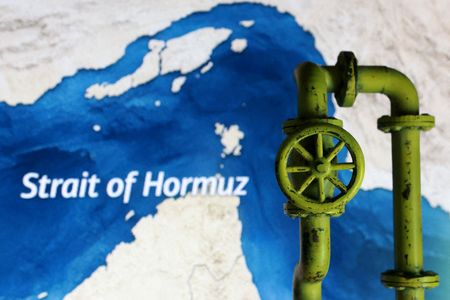
Beijing’s diplomatic representative described the expanding Middle East conflict as damaging to shared global interests, reaffirming China’s stance that all parties must halt military actions while ensuring uninterrupted energy distribution from the region.
The Chinese statement coincided with the 23rd commemoration of the Iraq War’s beginning, when coalition forces led by the United States launched their 2003 invasion to remove Saddam Hussein from power, based partially on allegations his regime maintained weapons of mass destruction.
The Iraq intervention resulted in prolonged regional turmoil and governmental collapse, ultimately creating conditions that enabled the emergence of ISIS terrorist operations.
Current Middle East tensions present Beijing with mixed consequences, according to policy experts. While the crisis allows China to position itself as a more dependable global partner, rising energy prices pose threats to Chinese manufacturing and could spark domestic inflation if hostilities persist.
The regional instability also jeopardizes President Xi Jinping’s signature Belt and Road development program, which relies on Middle Eastern corridors to transport Chinese exports to markets across the Gulf region, North Africa, and Europe during a period when domestic consumer demand remains weak.
Military actions have resulted in postponing a planned summit between Xi and President Donald Trump by approximately six weeks. The delayed China visit had been viewed as an opportunity to improve strained relations between the economic superpowers following disputes over American trade tariffs.