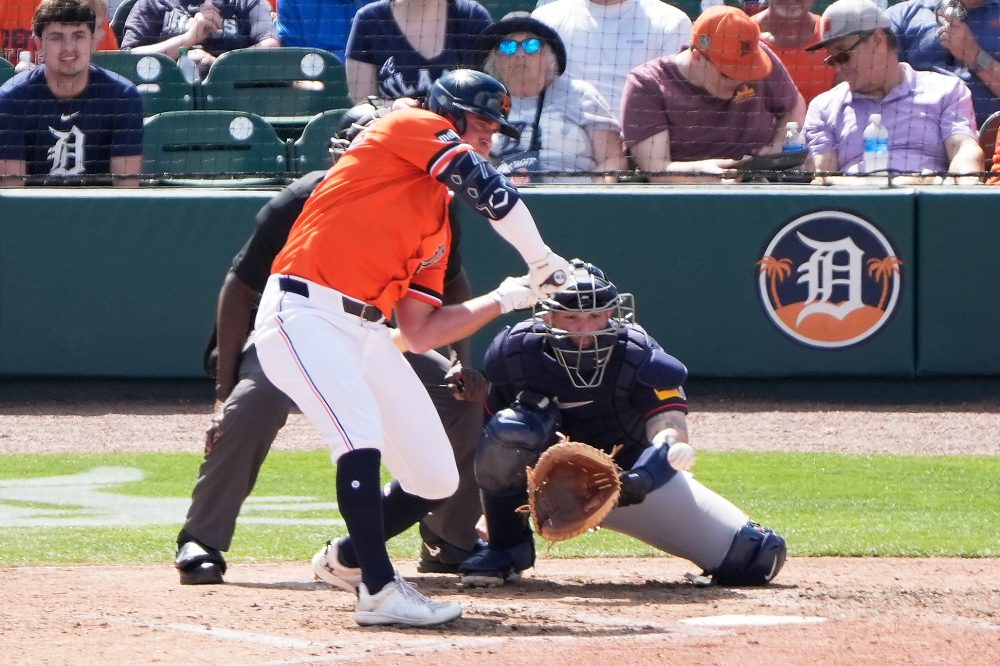

Major League Baseball is advancing its automated umpiring technology experiment, promoting the robot umpire challenge system from Class A competition to the Triple-A level.
The league will simultaneously test repositioning second base completely within the infield boundaries, which would shorten the distance between bases by 9 inches, based on a memo distributed to teams recently.
Additional experiments include limiting pitcher disengagements from two attempts to one per batter and implementing tighter restrictions on batter timeouts and pitch clock resets related to PitchCom, the electronic communication system introduced in 2023.
At the lowest minor league levels, MLB will trial allowing starting pitchers to return to games after being removed. While this change isn’t anticipated for major league adoption, officials view it as a way to enhance player development and health management through more adaptable workload distribution.
The Automated Ball-Strike Challenge System, commonly known as the robot umpire, will debut when the season begins March 25 after undergoing testing in minor leagues since 2019. Under this system, batters, catchers, or pitchers can contest ball and strike decisions made by human umpires, with each team receiving two challenges that are retained if successful. Teams gain extra challenges during extra innings.
Testing for disputed swing calls began May 20 in the Class A Florida State League and continued through the Arizona Fall League.
Beginning May 5, the swing challenge experiment will expand to include the Triple-A Pacific Coast League alongside the Florida State League.
“The batter, pitcher or catcher may also appeal the umpire’s decision regarding whether the batter swung at a pitch,” stated the memo from MLB vice president of on-field strategy Joe Martinez to general managers and club executives. “A swing will be considered to have occurred if the maximum angle between the bat head and the bat handle exceeds 45 degrees.”
Martinez reported that strikeout rates decreased by 3% during the previous year’s trials.
Umpires working Triple-A International League games will receive instructions to use the 45-degree measurement when determining swings. Current Official Baseball Rules don’t establish specific criteria for checked swings, only stating: “A strike is a legal pitch when so called by the umpire, which is struck at by the batter and is missed.”
For decades since the 1970s, catchers have been permitted to request plate umpires appeal non-strike calls on checked swings to first and third base umpires, though no appeals were allowed when strikes were called on checked swings.
Starting pitchers may re-enter games after removal in the Arizona Complex League, Florida Complex League, and Dominican Summer League. Removed starters become eligible to return if they pitched at least 25 times during their final inning, can only return at inning starts, and may re-enter just once.
MLB expanded base sizes from 15-inch to 18-inch squares in 2023, resulting in increased stolen base attempts due to the 4.5-inch reduction in distance between first and second, and second and third bases.
Second base has traditionally been positioned centered on its designated spot, but the International League experiment will place it “entirely within the perimeter of the infield diamond during the second half” of the season.
Noting that average nine-inning game duration increased from 2 hours, 36 minutes in 2024 to 2:38 last season, and stolen base success rates dropped from 80.2% in 2023 to 77.8% last year, MLB plans to test modified pitch clock regulations.
Triple-A teams will be charged with a mound visit if play stops due to PitchCom malfunctions, and teams without remaining visits will receive an automatic ball.
At every level, clocks will continue running when catchers exit the catcher’s box to signal defensive positioning, and all personnel except pitchers and coaches must clear the mound before visit time expires. Violations will result in automatic balls.
High-A batters won’t be permitted to call time with empty bases, while Class A will prohibit all timeouts. Exceptions will apply for brushback pitches, potential injuries, or equipment malfunctions.
Double-A will see pitcher disengagement limits reduced from two to one attempt.