
A Sydney court has rejected an attempt by a man charged in one of Australia’s deadliest mass shootings to keep his family members’ identities out of the news.
Naveed Akram, 24, faces charges for allegedly shooting and killing 15 people during a Jewish Hanukkah gathering at Sydney’s Bondi Beach in December. Police say the attack was motivated by Islamic State ideology.
Akram had requested a four-decade-long media ban that would have prohibited news organizations from publishing his mother’s, brother’s and sister’s names or photographs. The proposed order also would have blocked reporting of their home address and workplace or school locations, citing safety concerns.
Multiple Australian news organizations fought against the restriction, arguing it would interfere with comprehensive coverage of a case that has drawn massive public attention both domestically and internationally.
Judge Hugh Donnelly sided with the media outlets, emphasizing that transparent justice proceedings are essential and that publication bans “should only be made in exceptional circumstances.”
“This case has caused unprecedented public interest, anger, outrage and grief,” Donnelly stated.
The court learned that Akram’s driver’s license containing his address had already spread widely across the internet, and his mother had spoken with a local newspaper shortly after the shooting occurred.
Donnelly noted that since social media and international publications would not be bound by an Australian court order, restricting only domestic media would serve little purpose.
“This case is exceptional by virtue of the sheer magnitude and intensity of commentary on social media,” the judge explained.
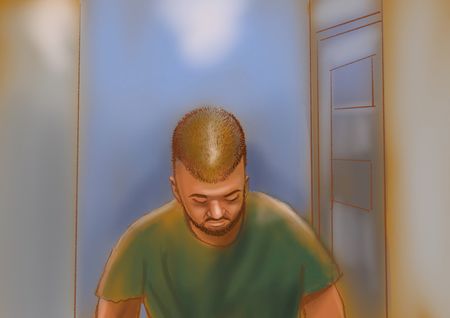
During the hearing, Akram participated through a video connection from the maximum-security facility where he is detained. He waved at the camera when sitting down and only spoke to confirm he could hear the proceedings clearly.
Following discussions with his legal representatives, Akram’s attorney Richard Wilson informed the court they would not pursue an appeal of the ruling.
The shooting shocked Australia, a country recognized for having stringent firearm regulations, and sparked fresh demands for enhanced gun control measures and stronger efforts to address antisemitism.
Australian officials have initiated a government-supported investigation into antisemitism and social unity, with results expected by December. Authorities have already implemented stricter gun regulations and enacted new hate speech laws.