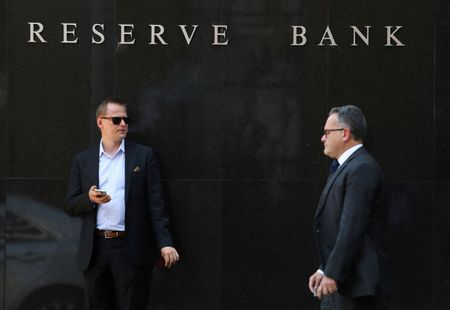

SYDNEY – The Reserve Bank of Australia’s board members have expressed uncertainty about future monetary policy direction following their closely divided decision to increase interest rates in March, according to meeting minutes released Tuesday.
Board members reached consensus that predicting the trajectory of interest rates with confidence has become impossible, particularly given ongoing uncertainties surrounding Middle Eastern conflicts and their potential economic ramifications.
The meeting minutes revealed concerns about extended conflict duration, stating: “A longer conflict could have a material bearing on both inflation and economic activity. Members therefore acknowledged that future policy decisions would require the board to balance its two objectives carefully.”
The central bank’s March decision increased rates by 25 basis points to 4.1%, marking the most divided vote since the RBA began publishing voting records last year. The 5-4 split in favor of the increase reversed two of three rate cuts implemented in 2025.
Financial markets currently assign a 60% probability to another rate increase in May, anticipating an additional 65 basis points of tightening throughout the year.
Following February’s unanimous rate increase, policymakers determined that monetary policy remained insufficiently restrictive. While all board members concurred that additional tightening would likely prove necessary, disagreement emerged regarding appropriate timing.
The five members supporting the March increase believed Middle East tensions would further constrain the economy’s already limited supply capacity while potentially destabilizing inflation expectations. They emphasized demonstrating clear commitment to achieving inflation targets.
Central bank projections indicate that oil prices sustained around $100 per barrel would push Australia’s headline inflation to approximately 5% during the June quarter, up from February’s 3.7% consumer price inflation rate.
The pro-increase faction acknowledged monitoring downside demand risks closely, noting in the minutes: “These members conceded it would be important to monitor downside risks to future demand closely… They noted that the board’s ability to respond effectively to a more material contraction in aggregate demand, should it occur, would not be impaired (by raising rates).”
The four dissenting members pointed to weakening household spending patterns and questioned whether labor market conditions had actually tightened recently. They favored delaying action until Middle East conflict effects became more apparent.