
Australia announced Saturday it will double the maximum fines that can be levied against technology companies that fail to enforce the country’s landmark social media ban for children, as growing evidence suggests the law has done little to keep young people off those platforms.
Under the updated rules, tech firms found to have systematically failed to comply with the ban could face penalties of up to A$99 million — roughly $68 million U.S. — compared to the previous ceiling of A$49.5 million.
The government also plans to expand the authority of its internet watchdog, the eSafety Commissioner, giving it the power to require social media companies to hand over evidence showing what steps they have taken to prevent children under 16 from creating accounts.
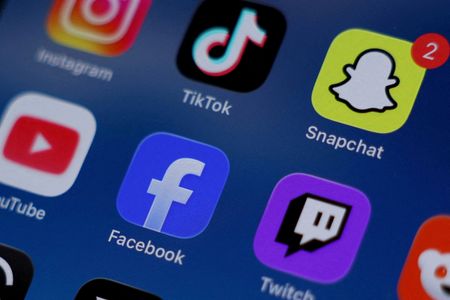
Officials confirmed that eSafety is currently investigating five platforms for potential non-compliance: Meta’s Instagram and Facebook, Google’s YouTube, Snap’s Snapchat, and TikTok.
The ban, which has now been in place for six months, is being watched closely by governments around the world that are considering similar measures due to concerns about social media’s effects on the mental and physical health of young people. Britain announced this month that it plans to go even further, extending restrictions to gaming and live-streaming platforms as well.
“I’m heartened by the shift in conversation and the global momentum we’ve seen since introducing the social media minimum age, but it’s clear big tech are not doing enough to comply with the law – there are still too many children on social media,” Prime Minister Anthony Albanese said in a statement.
Officials noted that more than 5 million accounts belonging to users under 16 have been deactivated or restricted since the ban went into effect.
However, multiple studies indicate that age-verification methods put in place by tech companies — such as submitting a selfie — are easily bypassed by children. In many instances, young users were never even asked to confirm their age.
A study published this week in the British Medical Journal, which examined 408 teenagers, found that 85% of Australians between the ages of 12 and 15 were still active on social media three months after the ban began. About two-thirds of underage users remained online by either claiming to be older than 16 or submitting a selfie that the platform accepted as proof of age.
An industry group representing technology suppliers said in April that the enforcement problems stem from social media platforms making weak use of available age-checking tools, rather than any shortcoming in the technology itself.
“Based on the regular updates I receive from the eSafety Commissioner, it is clear to me that social media platforms are adopting tricks straight out of the big tech playbook and doing the bare minimum to get by,” said the Minister for Communications in the government’s statement.
The planned legal updates would also allow the regulator to seek information from outside parties — such as age-verification services or app store providers — to help evaluate claims made by the social media platforms themselves.
A spokesperson for the prime minister said no decision has been made yet on when the proposed changes will be brought before parliament, but indicated the government would provide further details soon.
Separately, the message board platform Reddit is challenging the ban in Australia’s highest court, arguing it violates free speech protections. The government has said it intends to defend the case.