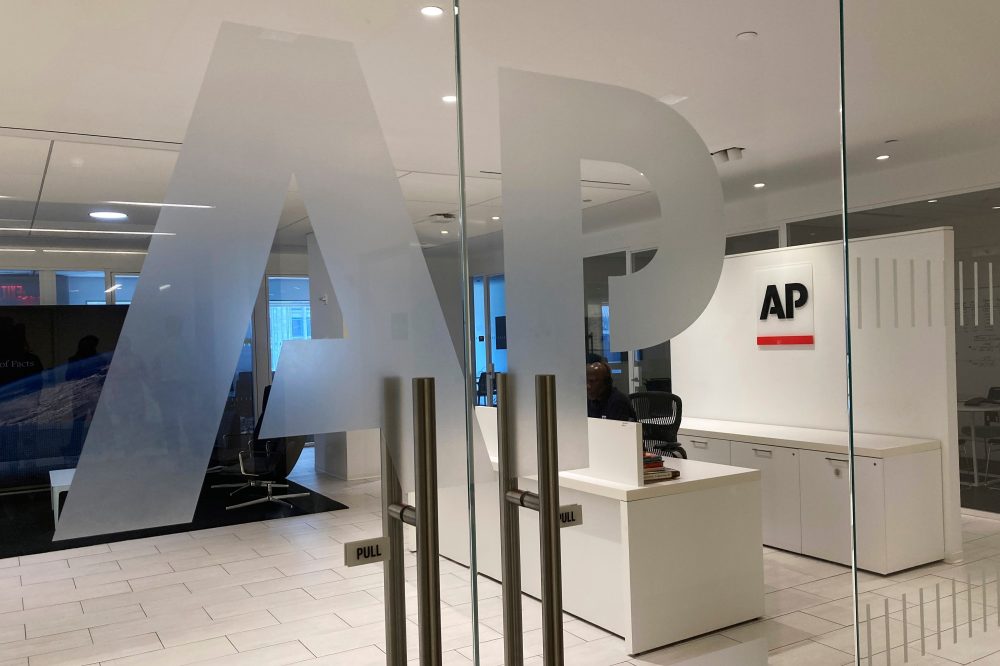

The Associated Press announced Monday that it will present voluntary buyout packages to an undetermined number of American journalists as the organization accelerates its transformation from the newspaper-centered model that has defined it since the 1800s.
The wire service is shifting its focus toward visual storytelling and exploring new income streams, especially through partnerships with artificial intelligence companies, as traditional newspaper clients struggle financially. Major newspaper companies, which once generated the majority of AP’s earnings, now contribute only 10% of total revenue.
“We’re not a newspaper company and we haven’t been for quite some time,” said Julie Pace, executive editor and senior vice president of the AP, during an interview.
While the organization has made adjustments—including doubling its U.S. video journalist workforce since 2022—it still maintains staffing patterns originally designed to serve newspapers and broadcasters across individual states.
This structure traces back to AP’s origins in the mid-1800s, when New York newspapers established the cooperative to share costs for reporting beyond their local coverage areas.
The exact number of journalists facing potential job losses remains unclear, partly by design. The AP doesn’t disclose its total journalist count, though it maintains substantial international operations alongside its domestic staff.
According to Pace, the organization aims to reduce its worldwide workforce by under 5%. The Marketing and Media Alliance has estimated AP’s total staff at 3,700, though the timing of that assessment is uncertain.
Given that buyouts are currently limited to U.S.-based journalists, the reduction within that group will likely exceed 5%. Whether layoffs follow will depend on buyout acceptance rates, Pace explained.
The News Media Guild, representing AP journalists, declined immediate comment on the restructuring plan when contacted Monday.
Newspaper revenue has fallen 25% for AP during the past four years. Major publishers Gannett and McClatchy ended their AP relationships in 2024.
Recently, the company discovered that Lee Enterprises—which publishes The Buffalo News, St. Louis Post-Dispatch, and Richmond Times-Dispatch—wants to terminate its contract early, despite it running through 2026.
Pace clarified that the buyout strategy was already underway before learning of Lee Enterprises’ decision. “We made a decision earlier this year that we needed to be bolder in this transformation,” she stated.
Beyond expanding video operations, AP is creating rapid-response teams where journalists contribute to major stories regardless of their geographic assignment, Pace said. The organization is also assigning more reporters to specialized beats focused on topics that interest customers. However, it remains committed to maintaining operations in all 50 states.
“The AP is not in trouble,” Pace emphasized. “We’re making these changes from a position of strength but we’re doing so now to recognize our changing customer base.”
Current clients are primarily broadcast, digital, and technology companies, reflecting evolving news consumption patterns. Technology company revenue has grown 200% over four years, according to Kristin Heitmann, senior vice president and chief revenue officer.
AP was among the earliest news organizations to partner with an AI company, licensing portions of its text archive to OpenAI in 2023. The organization launched on Snowflake Marketplace last year for direct enterprise data licensing and created AP Intelligence to serve financial and advertising industries.
Google contracted with AP last year for news delivery through its Gemini chatbot, marking the tech company’s first agreement with a news publisher.
“If you can think of a large technology company,” Heitmann noted, “they are a customer of ours.”
Last month, AP agreed to provide U.S. election data to Kalshi, the world’s largest prediction market.
The company’s established expertise in election data represents another growth sector, with customer numbers increasing 30% between the 2020 and 2024 election cycles. Additional momentum came when ABC, CBS, NBC, and CNN joined the service last year.
The traditionally wholesale-focused organization has also seen increased interest in its consumer-facing website, apnews.com, which generates revenue through advertising and donations.
Leadership stressed that expanding into new business areas won’t compromise AP’s commitment to delivering quick, accurate, unbiased reporting. “If anything, it makes it more important that we retain these values as we make the transition,” Pace said.
AP is experimenting with innovative fact-checking methods, including video formats, and increasingly featuring journalists publicly explaining their reporting processes, she said.
“I think that authenticity, and the fact that you can associate a real person who is often quite experienced and quite deep on their beats … it builds more credibility,” she explained. “We’re really trying to embrace that because I do think it’s vital when there is so much misinformation out there.”