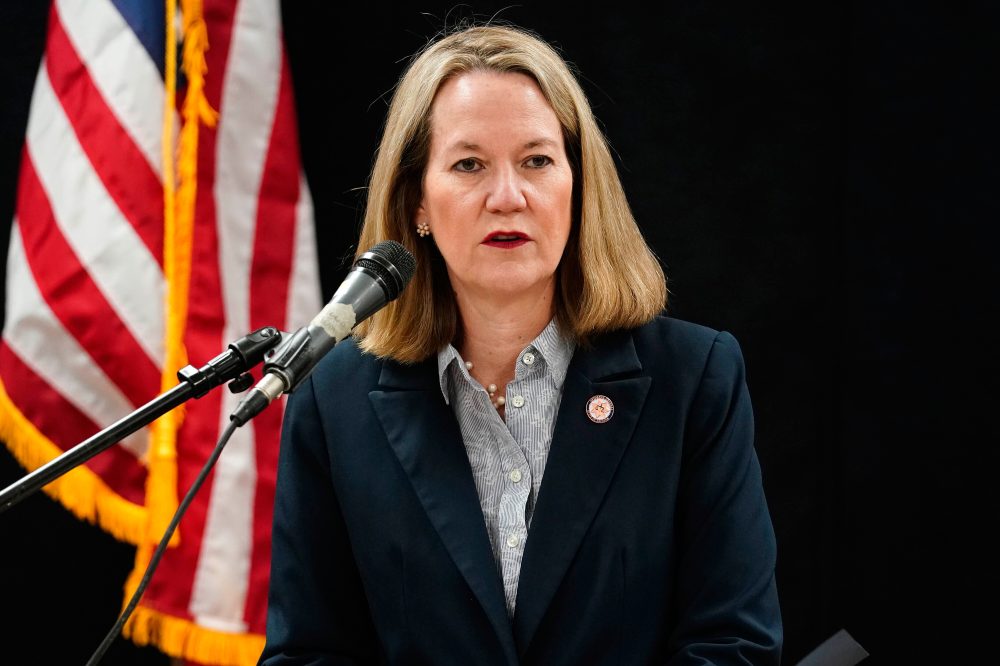

PHOENIX (AP) — Arizona Attorney General Kris Mayes announced Thursday that she is dropping a wide-ranging criminal case that accused former White House Chief of Staff Mark Meadows, former New York City Mayor Rudy Giuliani, and others of attempting to reverse President Donald Trump’s 2020 election defeat in the state.
This marks the third fake elector case brought by a state to be dismissed. However, the Democratic attorney general says she intends to bring the matter before a new grand jury in an effort to obtain a fresh indictment.
The dismissal is a calculated legal move designed to sidestep a Friday deadline for initiating new grand jury proceedings. That deadline came about after Mayes lost an appeal earlier this month — an appeal that was triggered when defense attorneys successfully argued that the original grand jury was never shown the relevant portions of the law governing how presidential election results are officially certified.
Courts have also thrown out similar cases in Michigan and Georgia. A special prosecutor additionally dropped a federal case in late 2024 that had charged Trump with conspiring to undo the 2020 election results. Those cases collapsed following Trump’s 2024 victory over Democratic Vice President Kamala Harris. Fake elector-related cases are still active in Nevada and Wisconsin.
In Nevada, charges were dismissed in 2024 after a judge determined that Clark County — the state’s most populated county and home to Las Vegas — was the wrong location to try the case. The case was later refiled in Carson City, Nevada’s capital.
The Arizona case had been largely at a standstill for more than a year while the attorney general pursued the failed appeal.
Defense attorneys in Arizona argued that the law permitted multiple slates of electors to be submitted to Congress when results were under dispute. Federal law was updated in 2022 to clarify that each state may only submit one slate of electors and that the state’s governor must sign off on the submission.
Joe Biden carried Arizona in 2020 by a margin of 10,457 votes.
The attorney general has faced significant obstacles in pursuing the case. It was filed nearly three and a half years after the 2020 election and involves complex conspiracy charges against 18 defendants. A dozen motions to dismiss filed by defense attorneys have repeatedly slowed the proceedings.
The original judge assigned to the case stepped aside in late 2024 after an email emerged showing he had encouraged fellow judges to publicly push back against criticism of Harris’ presidential campaign. The judge who took over then ordered the case returned to a grand jury.
Among the 18 Arizona defendants, two were former Trump administration aides, five were attorneys who worked for Trump, and 11 were Republicans who signed a document falsely claiming Trump had won Arizona.
Three of the defendants have already resolved their legal situations, including one who entered a guilty plea to a misdemeanor charge. The remaining defendants pleaded not guilty. Some have stated they signed the certificate believing it might be needed if Trump prevailed in ongoing court challenges before Congress’ January 6 deadline to count electoral votes.
The case has also become an issue in Arizona’s attorney general election, with both Republican candidates challenging Mayes publicly stating they would drop the charges if elected to the position.