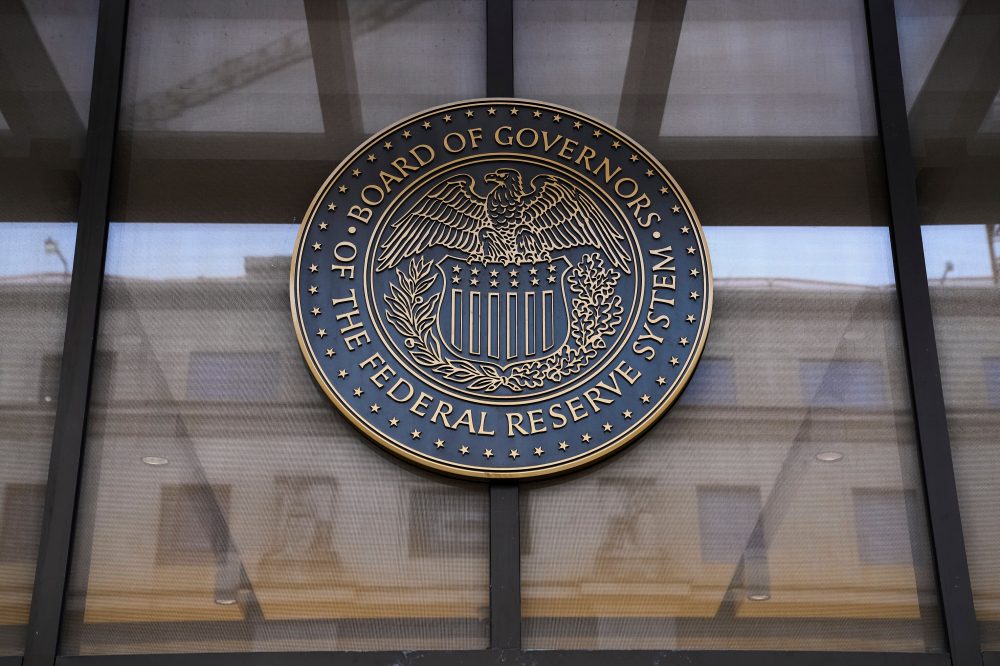

NEW YORK — The Federal Reserve announced Wednesday that all 32 of the country’s largest banks have successfully passed its annual “stress test,” a sign that the nation’s financial system is strong enough to survive even a serious economic downturn.
Each year, the Fed puts major banks through this exercise to determine whether their capital reserves — the financial cushion used to cover losses — would hold up under extreme economic pressure. These tests are required by the Dodd-Frank Act, legislation enacted following the 2008 financial crisis that came close to collapsing the global economy.
For this year’s test, the Fed used a scenario similar to last year’s. The hypothetical situation assumed unemployment would climb from 5.5% to 10%, the overall U.S. economy would shrink by 4.6%, home values would drop 30%, and the stock market would lose 58% of its value.
Under those conditions, the 32 banks would collectively absorb an estimated $708 billion in loan losses. Even so, their combined capital ratio would only slip 1.6 percentage points — dropping from 12.8% to 11.2% — well above the legal minimum of 4.5%, plus any additional buffers required on a bank-by-bank basis.
It’s worth noting the stress test applies exclusively to the country’s most systemically significant banks — the institutions whose collapse would send serious shockwaves through the broader financial system.
A poor performance on the stress test can lead to stricter capital requirements, which in turn can restrict a bank’s ability to pay dividends or repurchase its own stock. Banks typically unveil their dividend and buyback plans once the Fed releases its results. Shortly after Wednesday’s announcement, JPMorgan Chase revealed it would raise its quarterly dividend from $1.50 per share to $1.65 per share and plans to repurchase an additional $50 billion worth of its own stock.