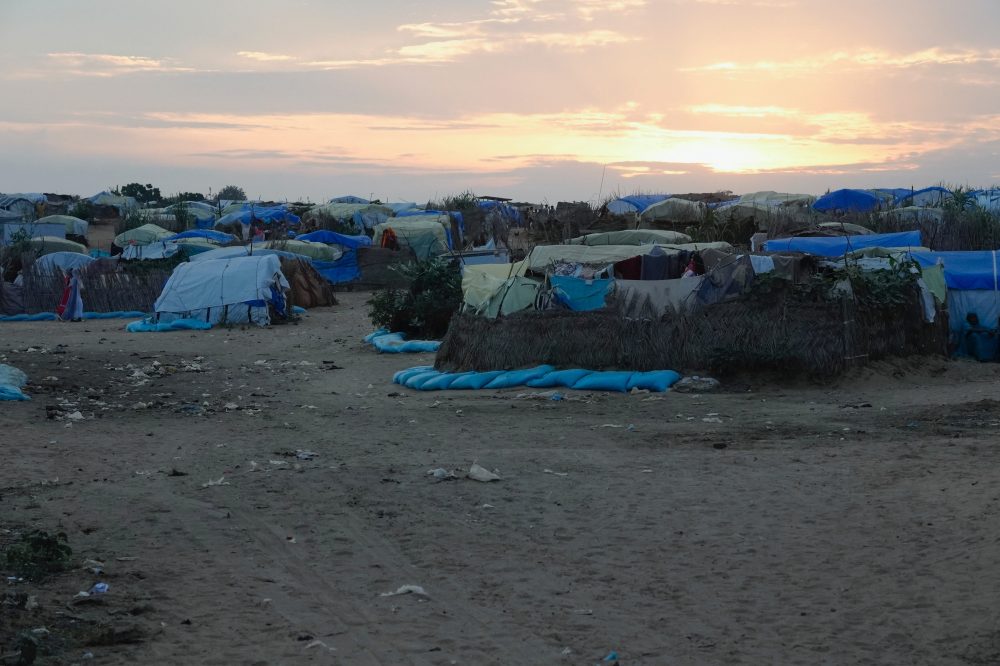

A confidential internal investigation by Doctors Without Borders has revealed widespread sexual exploitation and abuse by staff members working with refugees along Chad’s border with Sudan, according to documents obtained by The Associated Press.
The humanitarian organization’s investigation, which concluded in July and was first disclosed by the AP on Saturday, documented 59 accusations of misconduct and resulted in the termination of 18 employees who have been banned from future work with the group. The organization reported that some incidents involved minors and staff members exchanging food or employment opportunities for sexual favors with refugees. Some cases suggested organized “sexual trafficking,” according to the findings.
The medical aid group initiated the extensive investigation following AP coverage that exposed allegations from women who claimed staff members sexually exploited them at displacement facilities in Chad, where hundreds of thousands have sought refuge from Sudan’s ongoing civil conflict, now entering its fourth year. The organization acknowledged the AP’s “fundamental role as an external whistleblower” in bringing these issues to light.
The results from Doctors Without Borders — among the largest employers and most significant aid providers in eastern Chad’s refugee settlements — suggest the abuse was more extensive than initially understood.
Humanitarian emergencies have repeatedly been marred by sexual exploitation scandals, despite ongoing efforts by relief organizations to eliminate such misconduct.
During AP’s 2024 investigation in Chad, women reported that individuals supposed to safeguard them — including aid workers and local security personnel — demanded sexual favors in return for money, improved access to services, and employment. This type of sexual exploitation violates Chadian law.
The Doctors Without Borders investigation highlighted that the Chad situation was particularly concerning because the organization had dedicated additional resources specifically to prevent and address abuse. The internal document also indicated the findings likely represent only a fraction of actual incidents, as many women were reluctant to come forward.
When questioned about the internal document, Doctors Without Borders — known by its French initials MSF — described it as “a candid internal analysis” that identified systemic failures.
The 59 misconduct allegations encompassed sexual harassment, exploitation, and abuse and “represent a serious breach of MSF’s values and responsibilities, and we deeply regret the harm caused,” MSF stated in its written reply.
MSF acknowledged that working in environments where people depend on humanitarian aid creates power disparities and abuse risks that require attention. The organization said its investigations aimed to proactively address the misconduct.
The group noted that identifying perpetrators proved impossible in some instances due to the emergency’s magnitude and population displacement.
Following the report’s completion, MSF has enhanced its hiring processes, background verification procedures, and complaint mechanisms, according to its statement to AP.
However, the organization admitted in its response that substantial work remains to achieve permanent reform.
MSF began its investigation in autumn 2024 and uncovered allegations involving exploitation and abuse of Chadian citizens, Sudanese refugees, and MSF personnel and contractors.
The document details investigations into multiple cases where female refugees were sexually exploited in exchange for basic necessities like food, water, and milk. Additional cases involved sex traded for employment opportunities and the prostitution of female refugees, including minors. The report describes an area within a refugee camp where staff members were observed seeking girls, prompting community leaders to establish a curfew to protect young girls from “visiting” MSF personnel.
One documented incident involved seven refugee girls, reportedly employed as day laborers, who were placed in an MSF vehicle under the pretense of going to water distribution and construction locations. Instead, the girls were transported elsewhere and “exposed to” sexual abuse and demands for sex, the investigation found.
The probe also revealed that some female Chadian employees faced job termination threats if they refused sexual advances from supervisors or coworkers.
During focus group sessions with investigators, women explained they frequently remained silent due to concerns about losing access to medical care. Some indicated they were unaware of their right to voice concerns or provide feedback, the report stated.
MSF personnel and community leaders informed investigators they feared reporting abuse due to potential loss of employment or aid. The document noted that six community leaders chose not to report incidents to MSF despite their daughters or sisters being victimized.
The investigation also found that some individuals who did report abuse received no assistance, with multiple alerts going unanswered.
The document criticized certain feedback systems, including complaint boxes, as largely ineffective.
MSF employs thousands of workers across numerous countries in roles spanning medical professionals like doctors, nurses, midwives, and epidemiologists to support staff in human resources, logistics, construction, and sanitation. The report did not identify which positions the accused individuals held. In its correspondence with AP, MSF declined to provide employment details citing privacy and safety considerations.
MSF’s response highlighted implementation of enhanced reporting procedures and integrated prevention and detection measures in current operations — including confidential reporting systems in its response to Congo’s Ebola outbreak.
According to the report, MSF was unaware of most abuse cases before AP’s coverage.
In 2023, the organization conducted extensive training sessions with staff and community leaders focused on prevention. However, these efforts failed to create lasting change and were weakened by high employee turnover, the report stated.
The document indicated that urgent staffing needs and lack of background checks resulted in hiring individuals with histories of misconduct or abuse.
Following the investigation, 18 staff members — including international, local, and contract workers — received or were scheduled to receive “Do Not Hire” classifications. However, the report revealed no system existed to share these flagged names, particularly for local staff, allowing them to potentially secure positions at other MSF locations.
The investigation produced several recommendations: clearly communicating behavioral expectations to staff, implementing “serious reference checks,” and establishing a comprehensive “Do Not Hire” database.
MSF acknowledged in the report having faced similar allegations previously — during the 2021 Ebola outbreak in Congo and reports of extensive exploitation and abuse by aid workers and peacekeepers in multiple West African nations in 2002 — with minimal overall improvement.
“As a reminder, a rather similar diagnosis and recommendations were made in 2021,” the document stated. “Yet this led to no significant change.”