
Artificial intelligence is quietly changing the way some of the world’s most recognizable consumer products are developed — from the shampoo on your bathroom shelf to the cookies in your pantry.
French cosmetics giant L’Oreal began incorporating AI into its laboratory work four years ago, and the results have been significant. The company is now able to develop new products four times faster than it previously could, according to Fabrice Megarbane, president of L’Oreal’s consumer products division.
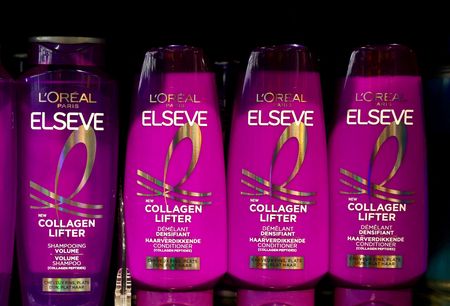
Megarbane explained that AI has allowed the company to identify molecules originally used in skincare formulas and find new applications for them in hair care. One recent example: a shampoo that uses collagen to add lift and body to hair, developed by repurposing molecules from existing skincare lines.
“You can really go much faster by imagining … new associations of molecules and new benefits of molecules,” Megarbane said during the Consumer Goods Forum’s Global Summit held in Vienna in late June.
L’Oreal’s CEO launched a “beauty stimulus plan” last year aimed at driving innovation after the company reported its slowest sales growth in years.
Other major consumer brands are following a similar path. Chocolate and snack maker Mondelez — the company behind Cadbury and Toblerone — has embraced AI as a tool for recipe development. Chief Information and Digital Officer Filippo Catalano called the combination of human creativity and AI a “game-changer.”
Catalano said the technology can generate recipe concepts, including unconventional ideas, which human experts then review and evaluate. AI has already played a role in creating Gluten Free Golden Oreo cookies and updating the recipe for Chips Ahoy cookies. In the biscuit category alone, 60% of recipes developed with AI assistance showed improvements in nutrition, sustainability, and cost.
“You can optimise how you develop your recipes,” Catalano said, noting that AI also helps reduce reliance on single suppliers and allows companies to adapt formulas as consumer preferences shift.
“(AI capabilities are) accelerating things you could do already, but compressing the time from months to weeks or years to months,” he added.
Nestle, the company behind Nescafe, and Haleon, the maker of Sensodyne toothpaste, are also among the consumer goods companies now using AI in their product innovation efforts, executives said. The broader push reflects growing pressure on consumer companies to move faster and operate more efficiently in a rapidly changing marketplace.