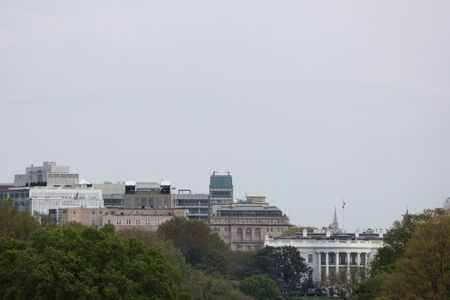

Administration officials are working urgently to address the economic and political consequences of the ongoing Iran conflict, according to three sources familiar with internal White House conversations, as prospects for a swift end to hostilities continue to diminish.
U.S. President Donald Trump recently endorsed pausing the federal gas tax, a measure that would reduce motor fuel costs by 18 cents per gallon from current national averages exceeding $4.50. Previously considered unnecessary by some White House staff, this proposal is now gaining momentum as officials seek ways to demonstrate action against escalating expenses, the sources revealed while requesting anonymity due to the sensitive nature of internal discussions.
Among White House officials, agreement has formed that with fuel costs rising 50% since hostilities began, Trump requires “a visible consumer relief move now,” according to one source.
The $4-per-gallon threshold has historically prompted public anger and economic concern. This pattern has continued since the conflict commenced, with consumer confidence recently reaching record lows and U.S. consumer inflation jumping to 3.8% in April, marking the highest level in nearly three years.
Over 60% of Americans report their household finances have suffered from elevated gas prices, a May Reuters/Ipsos survey found, placing Trump’s economic approval at just 30%, dropping several points since the conflict’s start.
Trump now confronts increasing pressure from fellow Republicans concerned that war-related economic hardship could trigger voter anger and potentially cost the party House control and possibly Senate seats in November’s midterm elections.
Administration officials have been examining market information to assess whether national average prices might reach $5 per gallon, two sources familiar with these discussions revealed. Seven states have already crossed that threshold, according to AAA statistics.
“They feel like that’s their largest vulnerability right now: that specific cost, gas, not overall economic conditions,” a White House political adviser explained. “The toughest thing, too, is that we made gas prices the Achilles’ heel for (former President Joe) Biden and now it’s our own.”
White House spokeswoman Taylor Rogers stated that Trump and his energy team had anticipated the conflict’s disruptions to global energy markets and developed a mitigation plan.
“The ability to supply both the United States and our allies with reliable, affordable, and secure energy has long been a key strategic objective of President Trump, and his successful efforts to unleash American oil and gas has achieved this objective,” Rogers stated.
The administration’s worries have intensified as U.S. oil and fuel exports have reached record levels, driven by Asian and European buyers seeking alternative supplies. This has reduced U.S. stockpiles during a period when they typically increase, prompting warnings from Wall Street analysts about potential shortages that could drive gasoline, diesel and jet fuel prices even higher this summer.
Energy costs have surged since Iran blocked access to the Strait of Hormuz, a shipping route that typically handles one-fifth of global oil supplies. Businesses from airlines to McDonald’s are experiencing impacts, with the fast-food company’s CEO noting last week that lower-income customers were reducing spending.
U.S. airlines saw fuel costs jump 56% from February to March, Transportation Department figures show, pressuring carriers already working with narrow profit margins, including Spirit Airlines, the struggling budget airline that ceased operations in early May.
Trump has characterized the price increases as a “small price to pay” for efforts to remove Iran’s government and stop Tehran from developing nuclear weapons.
When asked Tuesday if Americans’ financial struggles were influencing his desire to reach an agreement, Trump responded: “Not even a little bit.”
“The only thing that matters when I’m talking about Iran — they can’t have a nuclear weapon,” Trump informed reporters. “I don’t think about Americans’ financial situation. I don’t think about anybody. I think about one thing — we cannot let Iran have a nuclear weapon. That’s all.”
The gas tax suspension proposal was viewed as a backup option as recently as late April, one source familiar with White House conversations said, but gained support over the past week as Iran ceasefire efforts stalled and officials determined they needed a policy change Americans would notice.
Trump’s proposed suspension would need congressional authorization. Some Republican legislators have shown support for the concept, though party leadership has remained uncommitted.
In April, the administration excluded certain Russian oil from sanctions and waived shipping rules to enable additional fuel transportation. On Monday, the Energy Department announced it would release another 53.3 million barrels from the national security stockpile to calm market concerns.
Only 25% of Americans consider the Iran conflict worth the costs, with 53% believing it has not been worthwhile and others uncertain, a Reuters/Ipsos poll from April 24-27 found. Twenty percent of Republicans said the conflict has not been worth it.
Amy Koch, a Republican strategist who counsels state and federal candidates, said the administration has limited time to conclude the conflict and reduce fuel price pressures before Memorial Day, which marks the beginning of summer driving season.
“I think people are willing to endure some short-term financial pain if it means we deal with Iran,” Koch said, “but the clock is ticking for the White House.”