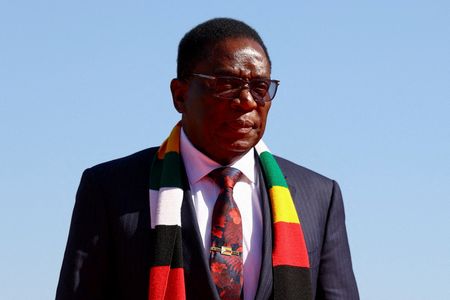

HARARE — Zimbabwe’s lower house of parliament gave its approval Thursday to a bill that would lengthen presidential terms from five years to seven, a move that could keep President Emmerson Mnangagwa in power until 2030.
The legislation cleared the chamber with 216 votes in favor, surpassing the 187-vote threshold required for a two-thirds majority.
The bill now advances to the upper house of parliament, where it is widely expected to pass as well. Mnangagwa’s ruling ZANU-PF party maintains control of that chamber through traditional leaders and allied proxies who typically vote in line with the party.
Indications that Mnangagwa, who is 83 years old, was looking to remain in office beyond the conclusion of his second term in 2028 surfaced roughly two years ago. Supporters began chanting at ZANU-PF rallies that he needed additional time to finish his agenda. The party formally resolved last year to amend the constitution to extend presidential terms, and the proposal received cabinet approval in February.
Opponents of the bill argue it is simply a mechanism for Mnangagwa to cling to power longer than the current constitution allows. Supporters, however, contend the change will improve accountability and promote political stability.
Mnangagwa carries the nickname “the crocodile,” a creature depicted in Zimbabwean tradition as both cunning and merciless. He rose to the presidency following a military coup in 2017 that removed longtime ruler Robert Mugabe, who had governed the country since it gained independence in 1980. Prior to their falling out in the months before the coup, Mnangagwa had been among Mugabe’s closest allies, holding senior government roles including the position of vice president.
Legal challenges to the term extension were filed by some activists and veterans of Zimbabwe’s liberation war, but those cases were dismissed from the court roll earlier this week due to technical procedural issues.
Zimbabwe is not alone in this trend. Other African nations, including Cameroon and Uganda, have seen their leaders alter laws to extend their time in office — a pattern that has taken hold across a continent where some of the world’s oldest heads of state govern populations that skew among the youngest on Earth.