
KANSAS CITY, Missouri — As Kansas City prepared to close the chapter on its World Cup hosting duties Saturday, those who organized the event were already looking back on a month that thrust the Midwestern city onto the world’s biggest stage.
The city served as the venue for six matches during the tournament, culminating in Saturday’s quarter-final showdown between Argentina and Switzerland at Arrowhead Stadium — the home field of the NFL’s Kansas City Chiefs.
But beyond the games themselves, organizers say the tournament’s true impact will be defined by the international supporters who made Kansas City their home away from home.
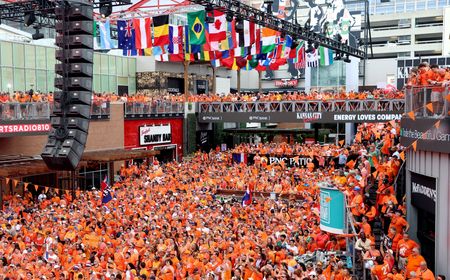
Fans from Algeria flooded the city and nearby Lawrence, Kansas, where the North African national team established their base camp. Supporters dressed in the Netherlands’ signature orange color marched through downtown streets, turning portions of the city center into a lively Dutch celebration.
Fans backing Argentina, Switzerland, Colombia, and numerous other nations filled fan zones, bars, and public gathering spots throughout the month — transforming the city that calls itself the “Soccer Capital of America” into a true crossroads of global culture.
Clark Hunt, honorary co-chair of the KC 2026 board and chairman and CEO of the Chiefs, reflected on the experience with reporters.
“The last month has been very special for Kansas City to have a chance to be on the international stage,” Hunt said. “Getting to see fans from all around the world coming to Kansas City to cheer on their teams … has been amazing.”
Hunt also hinted at interest in hosting future tournaments, saying, “If we have the opportunity to bid, we’ll do it.”
KC 2026 Chief Executive Pam Kramer said the event’s impact reaches well beyond the sport itself.
“We’ve proven we can handle the biggest sporting competition in the world,” Kramer said, noting that the World Cup had also put Kansas City in front of a global audience as a place for business, investment, and potential new residents.
When asked what moment stood out most, Kramer described a memorable conversation with an older man she happened to meet during the tournament.
“(He) said, ‘You know, I didn’t know much about soccer before and, I have to tell you, I thought it was maybe going to be overblown, it seemed like much to do about nothing,’” Kramer recalled.
“But what seems to have happened is that people put aside their differences and cheered for the teams for a couple of weeks, and I thought that was so insightful to what has happened here … that will stick with me,” she added.
Author and longtime soccer commentator Nate Bukaty said what moved him most was the sense of human connection the tournament created.
“Everything I loved about what the game of soccer does has been here for the past month,” Bukaty said of Kansas City. “And that’s the part, I think, more than the soccer itself, that I will cherish. I’m already kind of nostalgic about it and a little sad that it’s almost over.”
Bukaty said Kansas City residents had long wondered how the rest of the world would perceive their city. After a month of packed venues and enthusiastic international visitors, he believes that question has been answered decisively.
“The question I heard over and over was, ‘What’s the world going to think of us when they get here?’” he said. “My response was, ‘Is the world ready for Kansas City?’ … I feel like everybody’s been pleasantly surprised with this place. And I think we’ve acquitted ourselves very well.”
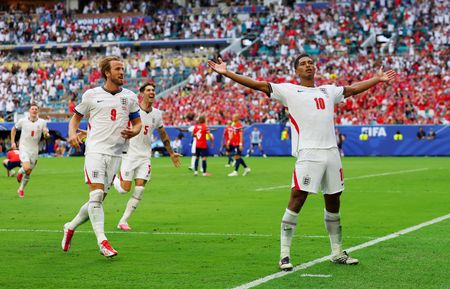
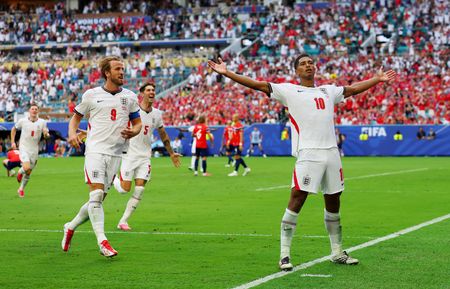
Argentina, England, the Netherlands, and Algeria all chose Kansas City as their base camp locations during the tournament.
Kramer said the city’s FIFA Fan Fest drew more than 310,000 attendees representing over 150 countries, with additional crowds expected for Saturday’s quarter-final. The Netherlands’ “Oranje Fanwalk” drew 36,000 supporters — the largest Dutch fan gathering ever recorded in the United States.