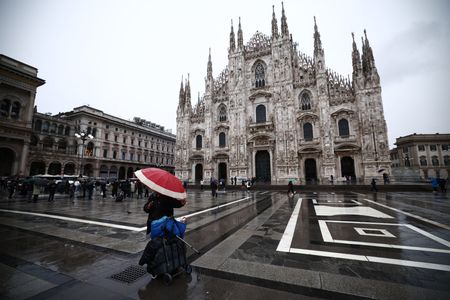

Italy’s financial hub of Milan is poised for accelerated economic growth in 2026, fueled by industrial recovery, robust service sector performance, and the economic impact of co-hosting the Winter Olympics, a new analysis from regional business group Assolombarda reveals.
The research projects Milan’s gross domestic product will surge by 1.7% in 2026, a substantial increase from the anticipated 0.7% growth rate in 2025.
The Winter Olympic Games by themselves are projected to create approximately 2.5 billion euros worth of total production throughout Milan’s metropolitan region, translating into 1.045 billion euros in added value.
Assolombarda President Alvise Biffi expressed optimism about the city’s trajectory, stating “Milan is experiencing a positive phase.”
He continued, “GDP is growing again at a solid pace, major events are strengthening the city’s international visibility and tourism continues to expand.”
Biffi characterized the Winter Olympics as a “powerful catalyst” for enhancing Milan’s global reputation and speeding up urban development initiatives.
The city has witnessed significant real estate growth following its hosting of Expo 2015, with favorable tax policies drawing affluent international residents. This boom has sparked concerns among some residents who feel priced out by increasing living expenses.
Milan Mayor Giuseppe Sala noted the Olympics generate greater media coverage compared to the previous Expo event.
“We are delighted that so many foreign tourists have come. These are the most watched Olympics in history and will have a longer-term impact,” Sala commented, though he did not provide additional details.
Milan’s Olympic-specific budget totals 735 million euros, with 379 million allocated for infrastructure improvements and event-related investments, while 356 million covers operational expenses.
The city serves as the venue for approximately 90 indoor ice competitions, with the opening ceremony taking place at the renowned San Siro stadium.
Local spending from tourists, competing athletes, and Olympic personnel is anticipated to reach roughly 1 billion euros.