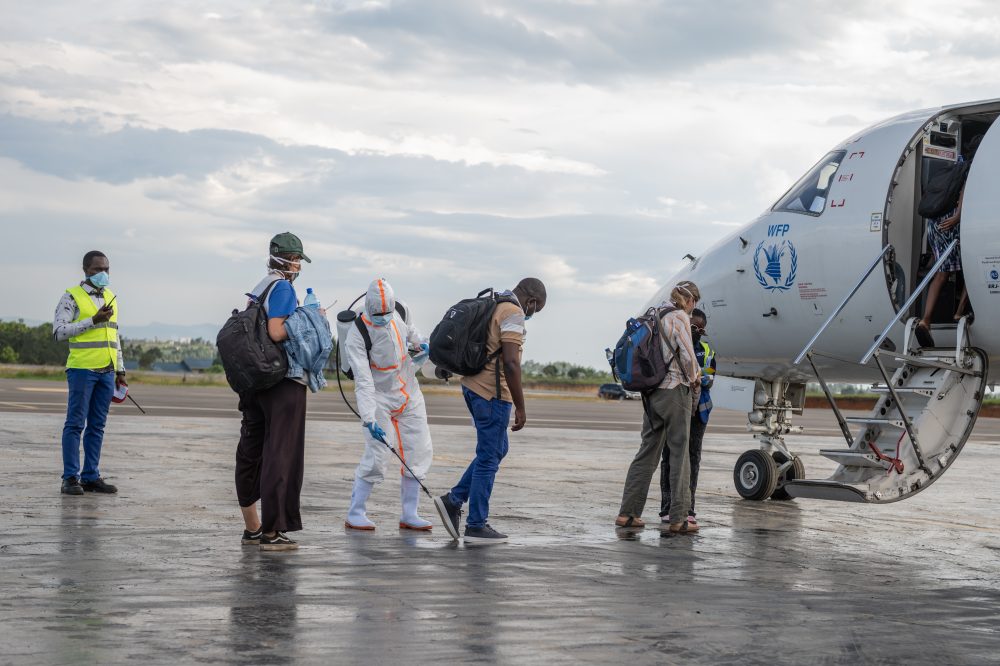

The World Health Organization’s top official acknowledged Wednesday that responders are still trailing behind Congo’s deadly Ebola outbreak, despite improvements in diagnostic capabilities.
“We’re still behind” because the outbreak “had a big head start,” World Health Organization Director-General Tedros Adhanom Ghebreyesus stated, though he emphasized “we are catching up” as laboratory testing capabilities expand.
Congolese health officials report 344 confirmed infections and 60 fatalities from the uncommon Bundibugyo strain of Ebola since authorities declared the outbreak in mid-May across the eastern provinces of Ituri, North Kivu, and South Kivu. Suspected case numbers have dropped significantly from 906 to 116.
Uganda’s health ministry reported Tuesday that the neighboring country has documented 15 confirmed infections, resulting in one fatality.
When asked about a controversial U.S. quarantine facility in Kenya that has sparked demonstrations, the WHO chief declined to comment directly, stating “I think based on their risk assessment … they can do whatever they think is right for them.”
Health experts indicate the virus circulated for weeks in one of the globe’s most at-risk areas before laboratory confirmation. Emergency supplies, including protective equipment, have been dispatched to combat this Ebola variant for which no approved treatments or vaccines exist.
Five individuals have successfully recovered from the infection, providing rare encouraging developments.
Doctors Without Borders cautioned Monday about case count accuracy, noting “The true extent of the outbreak remains difficult to assess. Extremely limited testing capacity and difficulties accessing certain areas necessitate interpreting these figures with caution.”
Delivering a potential vaccine to affected areas could require several months.
Dr. Aruna Abedi, a Congolese epidemiologist experienced in managing the country’s previous outbreaks, explained to The Associated Press that “It’s difficult to have an effective vaccine that adheres to the scientific protocol available quickly.”
Despite enhanced laboratory and diagnostic capabilities, Tedros noted that tracking individuals who contacted infected persons in Congo remains inadequate.
“Only about 45% of contacts have been followed up, and to get ahead of the outbreak we need to get that number up to above 90%,” he explained. “Insecurity, displacement and mobile populations make contact tracing especially difficult.”
Military groups operating in the area include the Rwanda-backed M23 rebel organization that captured major cities Goma and Bukavu more than a year ago, plus an Islamic State-affiliated group known as the Allied Democratic Forces active along the Congo-Uganda border. Years of instability have produced a massive and at-risk displaced community.
Suspicious local residents have assaulted medical facilities during the outbreak, sometimes demanding relatives’ remains. Medical personnel are also confronting incorrect beliefs among some community members that Ebola doesn’t exist, preventing some from getting treatment.