
Couples preparing for marriage in India are turning to weight-loss medications as a quick solution to shed pounds before their wedding ceremonies, creating a new market for diabetes drugs repurposed for cosmetic use.
Medical facilities across India are capitalizing on this trend by offering specialized treatment plans. New Delhi’s Klarity Skin Clinic promotes a “Mounjaro bride” service, while other wellness centers have incorporated weight-loss injections into comprehensive pre-wedding makeover packages that traditionally focused on skincare and hair styling.
Through social media marketing, Klarity advertises “guided nutrition, Mounjaro and smart workouts” designed to help future brides prepare for their wedding day. The clinic declined to provide comments when contacted.
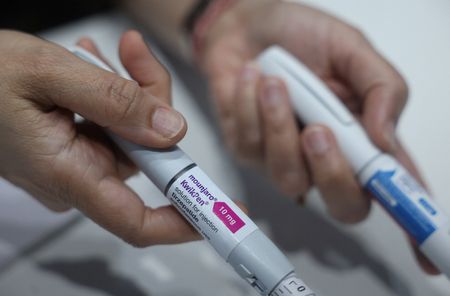
Medical professionals across the country report a surge in requests from engaged individuals seeking prescription weight-loss medications before their ceremonies. Eight physicians interviewed confirmed they’ve received numerous inquiries from brides-to-be and some grooms about obtaining these drugs. Most specifically request Eli Lilly’s Mounjaro, which became the first GLP-1 medication available in India for treating both diabetes and obesity. Doctors note it has gained more popularity than Novo Nordisk’s competing drug Wegovy.
“Over the last few months, over 20% of the queries we’ve received for obesity injections are from to-be brides, who also openly give us a timeline on how soon they are getting married,” explained Rajat Goel, a bariatric surgeon working at Hindivine Healthcare in New Delhi.
Goel emphasized that he only provides prescriptions to patients who meet medical criteria, refusing to prescribe the medications purely for appearance-related reasons.
Indian wedding celebrations represent major cultural events for families with sufficient resources, deeply rooted in tradition and social customs. Family-arranged marriages remain common, often accompanied by expectations regarding physical attractiveness and economic standing.
A 26-year-old Mumbai finance professional named Aditi sought medical consultation in November for a weight-loss prescription after traditional diet and exercise methods proved insufficient for her goals.
“When I see the result, I feel happy,” Aditi shared regarding her 22-pound weight reduction using Mounjaro before her February wedding ceremony. “If I am not happy, I don’t feel confident. I did not want to feel that way at the time of the wedding.”
Aditi represents one of six brides and one groom who discussed their pre-wedding weight-loss drug usage, though all requested anonymity due to social stigma. They described feeling pressured by society to achieve a specific appearance for their wedding day, with most discontinuing the injections shortly after their ceremonies.
Both Novo and Lilly introduced their obesity medications to the Indian market during the previous year. Industry analysts project this market will reach approximately $852 million by 2030. Mounjaro sales experienced significant growth following its launch, becoming the top-selling medication in the world’s most populated country.
Indian pharmaceutical companies began producing less expensive versions of Novo’s medication last month after the patent protection for semaglutide, the drug’s active component, expired, making treatment more accessible to consumers.
These medications are designed for adults meeting obesity classifications or those who are overweight with related health conditions including diabetes, high blood pressure, or sleep disorders.
“Mounjaro has been approved by regulators for specific medical indications and is intended to be used only under the supervision of a qualified healthcare professional,” Lilly stated in their official response.
The most affordable Mounjaro injection pen costs approximately $140 monthly in India, while the strongest dosage reaches about $275 per month.
Novo, which recently reduced Ozempic and Wegovy prices for the second time, currently sells the lowest Wegovy dosage for roughly $61 monthly and the highest concentration for approximately $175.
Novo emphasized that it discourages self-medication with semaglutide or any usage outside approved medical guidelines.
Health experts predict India could have more than 440 million overweight or obese residents by 2050, representing one of the globe’s largest concentrations, according to research published in The Lancet.
Akshitha, who married in Hyderabad last year, credited the medications with helping her lose 33 pounds, bringing her weight to 167 pounds before her wedding. She explained that a family physician recommended trying the injections when she expressed concerns about her weight.
“There’s so much chaos before the wedding, with all the planning and preparation. I knew I would not get time to go to the gym and be on a diet. That’s when these drugs looked like a better option,” she explained, adding she might consider using them again following a future pregnancy.
As local pharmaceutical companies introduce cheaper weight-loss medications to the market, India’s drug regulatory authority has expressed concerns about improper usage and increased oversight of unauthorized sales and marketing.
“We understand the curiosity, but this cannot be a quick fix,” stated Dr. Swati Pradhan, who founded the obesity and metabolic wellness clinic Live Light.
Dr. Pradhan reported prescribing the injections to only select engaged women who qualified medically and demonstrated additional health concerns, while requiring lifestyle modifications for lasting results.
For Priya, a 27-year-old technology worker from Bengaluru, weight-loss medications became her response to body-shaming from potential grooms’ families.
“I’ve had men and their families reject my proposal because of my weight. I was told I was fat,” Priya revealed.
She initially used Novo’s oral semaglutide, which received approval in India for diabetes treatment, as an off-label weight-loss solution and lost more than 26 pounds before transitioning to injectable Mounjaro.
Her search for a marriage partner continues.