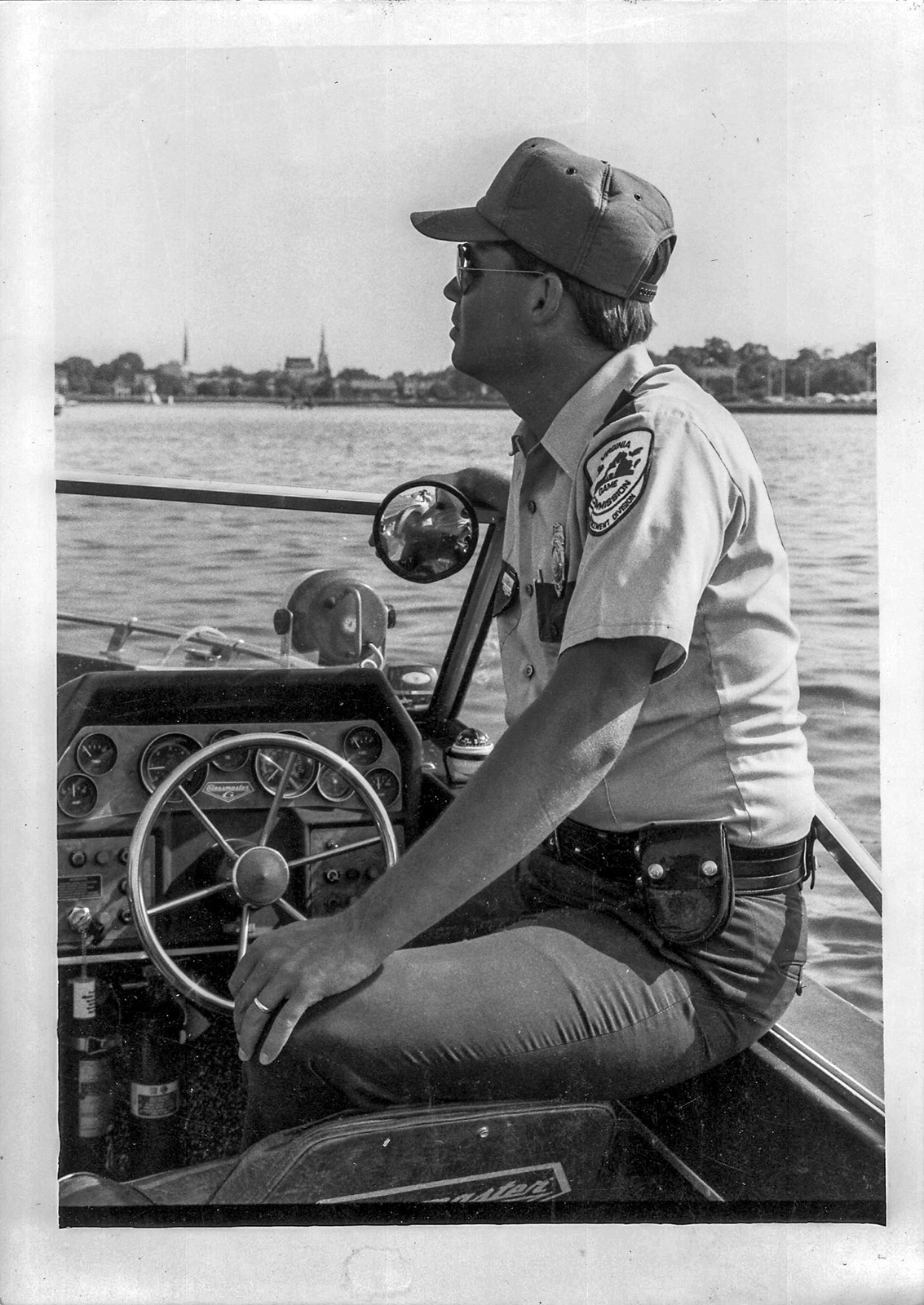

In the 1980s, Virginia’s wildlife agency underwent significant changes as conservation efforts intensified following decades of overhunting that had decimated native species populations. The Virginia Department of Game and Inland Fisheries, which later became the Virginia Department of Wildlife Resources, gained enforcement authority in 1982, empowering game wardens to better protect the state’s recovering wildlife.
Game Warden Rick Perry, stationed in Henrico County since 1978, had long suspected illegal activity along the remote Pamunkey River. The waterway’s isolation made it perfect habitat for recovering populations of waterfowl, deer, and turkey, but Perry had heard persistent rumors about hunters using dogs to drive deer into the water where accomplices waited in boats.
In late 1984, Perry finally received credible intelligence from a local trapper who confirmed the illegal hunting was indeed taking place. Armed with this information, Perry mapped out surveillance points along the river’s canals and islands using his department-issued jon boat, preparing for what would become a career-defining operation.
On a bitter January morning in 1985, Perry departed at 3:30 a.m. in his Ford Crown Victoria with the boat in tow, leaving detailed plans with his wife in case he didn’t return by dark. Radio communication wouldn’t be available until 8 a.m., and he carried only his personal Smith & Wesson .357 Magnum for protection.
After launching into the frigid darkness, Perry’s 18-horsepower motor failed halfway to his destination. As he worked frantically to clear water from the fuel line, he heard another boat engine start across the river, adding urgency to his repairs. Once mobile again, he reached his chosen creek and concealed his boat with camouflage netting.
At daybreak, Perry watched three hunters pass his position and set up in a duck blind several hundred yards downstream. They deployed decoys and began calling, soon attracting waterfowl. However, Perry noticed additional gunshots beyond what the duck hunting would explain.
A second boat carrying two men and a young boy moved through the area, stopping periodically to fire shots before continuing upriver. Meanwhile, Perry could hear dogs barking from a nearby island, confirming his suspicions about the illegal deer drives.
The dramatic climax came when the duck hunters suddenly ducked out of sight in their blind. Through his binoculars, Perry spotted a magnificent 10-point buck entering the water, swimming directly toward the blind. All three hunters emerged simultaneously and opened fire on the trophy animal, which managed to dodge multiple volleys and escape to the opposite shore.
Perry immediately moved to intercept the hunters, removing his camouflage and approaching the blind. After identifying himself and securing their hunting licenses, he was questioning the men when the boat with the family returned. Despite Perry’s commands and badge display, the boat initially ignored him, forcing the warden to run along the shoreline shouting orders.
When the boat finally stopped, Perry discovered two shotguns and three soaking wet doe deer inside. The 8-year-old boy initially denied involvement, but his father quickly claimed responsibility. The condition of the deer – completely wet and shot at close range in the head with buckshot – clearly indicated they had been killed while swimming.
Managing two separate groups of suspects alone, Perry used psychological tactics to maintain control, falsely claiming he had backup wardens on the island and radio support available. The strategy worked, allowing him to complete his investigation safely.
The grandfather defended their methods, claiming traditional hunting rights, but Perry explained that shooting deer from boats in water violated state law regardless of any perceived permissions. Since he hadn’t directly witnessed the deer killings, Perry confiscated the animals as evidence and planned to seek additional penalties through the court system.
Perry briefly followed a blood trail from where the large buck had escaped but decided against pursuing it alone given the day’s tense encounters. He contacted his supervisor, Sergeant Don Montgomery, who arrived to assist with processing the evidence.
The operation resulted in 15 total citations among the five hunters involved. The father and grandfather faced additional charges for shooting deer from a boat, though they avoided boat confiscation by quickly selling the vessel. In New Kent County court, they were convicted and ordered to pay $200 replacement cost for each deer.
The three duck hunters were prosecuted as accomplices and found guilty. One appealed to avoid losing his hunting license, requesting New Kent County’s first-ever jury trial for a game violation. Despite the appeal, Perry’s case held up in court.
Perry’s exceptional work on this case earned him the 1985 Virginia Game Warden of the Year award, recognizing his dedication to wildlife protection and law enforcement excellence.
Perry, originally from Franklin, Virginia, began his wildlife law enforcement career in 1978 after completing 14 weeks of training. His district covered Henrico, Chesterfield, Charles City, and New Kent counties. While excelling as a warden, he also pursued education, earning both bachelor’s and master’s degrees from Virginia Commonwealth University. In 1985, he received both state and regional recognition as Game Warden of the Year. Perry later joined the U.S. Fish and Wildlife Service as a Special Agent in 1987, retiring as Special Agent in Charge in 2009. He now enjoys outdoor activities, training his rescue Labrador, and notably, riding his unicycle.