
ZUNI, Va.—Virginia farmers are grappling with severe drought conditions that have brought spring planting operations to a standstill across the state.
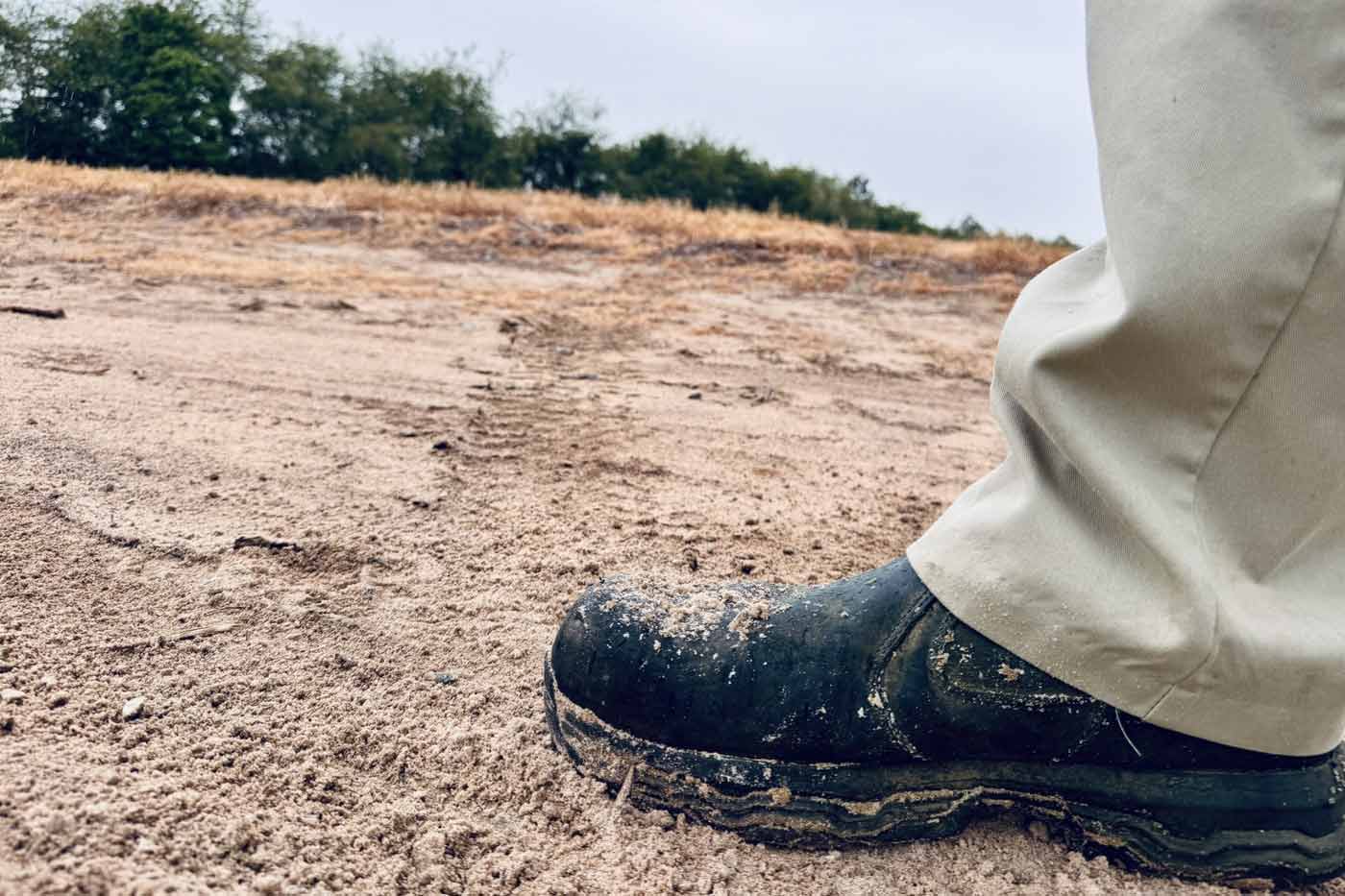
The U.S. Drought Monitor has classified conditions as “severe” throughout Virginia, with southeastern counties experiencing extreme drought levels. The Virginia Department of Environmental Quality, working alongside the Virginia Drought Monitoring Task Force, has issued drought warning advisories covering 83 counties and 31 cities.
Agricultural equipment remains parked as farmers wait for adequate moisture to plant corn, cotton, peanuts, and soybeans. March 2026 ranked as Virginia’s 17th driest March on record since 1895.
“In my lifetime as a grower, I haven’t seen it like this,” stated Scott Sink, President of Virginia Farm Bureau Federation and a Southwest Virginia farmer. “Planters are sitting still, and there’s no significant rain forecast anytime soon. Combined with the recent frost and high input prices, these drought conditions may have some farmers facing tough choices this season.”
Taylor Hubbard, director of government affairs for the Virginia Grain Producers Association, reported that Central Virginia soils contained sufficient moisture for corn planting in recent weeks.
“But planting soybeans went full stop because of persistent drought conditions last week in particular,” Hubbard explained on April 28. “If we have a little rain in the coming week, I think soybeans will go into the ground. But if we don’t get anything in the next 10 days—red flags will be flown.”
Cotton and peanut producers continue waiting for improved conditions before beginning their planting operations.
Southampton County farmer Gary Cross, who cultivates cotton, peanuts, corn, wheat, and soybeans, has weathered numerous Virginia summer droughts throughout his career.
“But it’s highly unusual in springtime,” Cross noted. “And the worst I’ve ever seen.”
Cross, who serves central Virginia farmers on the VFBF board of directors, refuses to plant without proper soil moisture for seed germination, saying he’s “not putting out $120 an acre’s worth of cotton seed” under current conditions.
“If I had a crystal ball, I’d see us planting on through May,” Cross predicted. “And if peanuts are planted too much later, you risk an early fall frost when it’s time to dig.”
Some producers who began planting corn and soybeans early have succeeded, while others now wait for rainfall. Farmers with irrigation systems have activated them, though Hubbard noted the state lacks extensive irrigated cropland.
“Droughts have a severe impact on total farm income, especially for a row crop producer,” Hubbard emphasized.
Essex County farmer Jay Hudley suspended spring planting two weeks ago due to drought conditions. His remaining corn and soybean acreage spans counties throughout the Northern Neck and Middle Peninsula regions.
This April represents the driest conditions Hudley can recall.
“My father is 89, and he doesn’t remember it ever being this dry this early either,” Hudley said.
Meanwhile, Hudley irrigates his corn and small grain fields while monitoring unusually high water salinity levels.
“There are no beans yet, but if it doesn’t hurry up and rain, we’ll be pumping water on that too,” he explained. “Some wheat fields are OK, and others aren’t looking good. But, if we get some rain, I could make half a crop.”
The combination of drought and freezing temperatures has devastated Hudley’s barley crop, which “isn’t expected to yield a bushel an acre.” Hay production also faces significant challenges.
While rainfall will eventually arrive, Hudley prefers “sooner than later.” Should dry conditions persist, he plans concentrating efforts on crops under irrigation systems as field edges suffer from drought stress.
Hudley concluded with his remaining strategy for the season: “Just get on my knees and pray.”