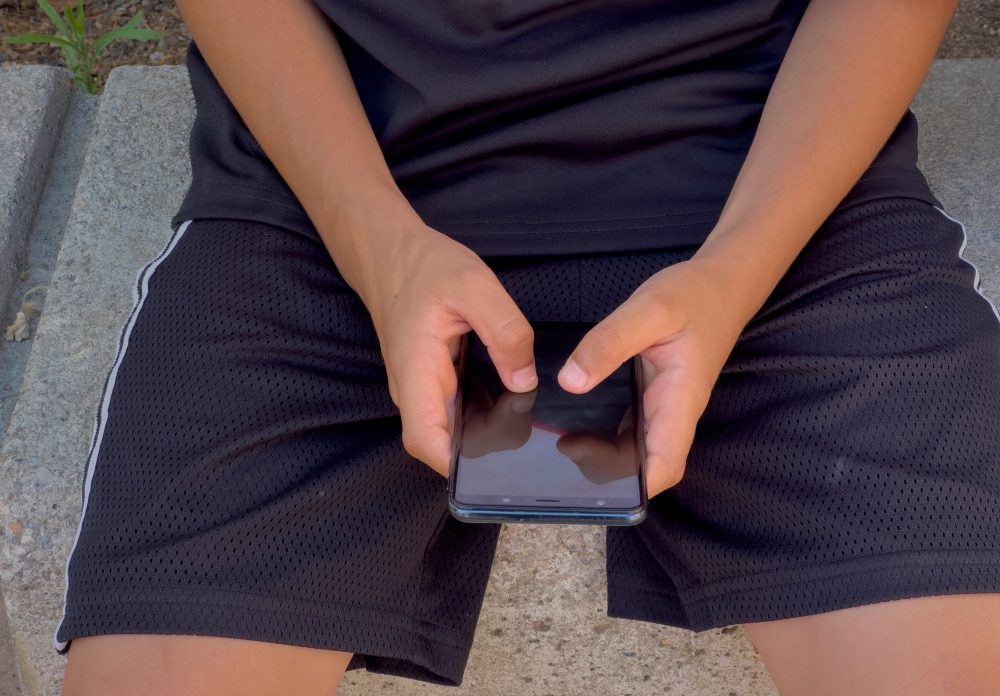

LONDON (AP) — The United Kingdom has announced plans to prohibit children and teenagers under 16 from accessing a wide range of social media platforms, including Snapchat, TikTok, and YouTube. The decision is aimed at protecting young people from harmful content and the dangers of excessive screen time.
In taking this step, the U.K. joins a growing number of nations that have moved to enforce age-based restrictions on social media access. While many parents and child advocacy organizations have praised these efforts, critics argue the measures are difficult to enforce and raise serious privacy concerns.
Here is a look at what several other countries are already doing or planning to do:
Australia — Australia’s ban was described as a first of its kind globally when it was introduced in December. The law prevents anyone under 16 from holding accounts on Facebook, Instagram, Kick, Reddit, Snapchat, Threads, TikTok, X, YouTube, and Twitch. Technology companies that fail to take reasonable steps to remove underage accounts can face fines of up to 49.5 million Australian dollars, which equals roughly $35 million. While no fines have been issued yet, the government reports that companies have already shut down nearly 5 million accounts identified as belonging to children.
Vietnam — In March, the Vietnamese government announced that users under 16 would no longer be permitted to hold accounts on platforms that could expose them to addiction, pornography, online scams, and cyberbullying. The affected platforms include YouTube, TikTok, Facebook, Instagram, Threads, X, Bigo Live, and gaming platform Roblox.
Malaysia — Social media platforms with at least 8 million users in Malaysia — including Facebook, Instagram, TikTok, and YouTube — are now required to put age-verification systems in place and prevent anyone under 16 from creating an account. Companies that do not comply can face penalties of up to 10 million ringgit, or approximately $2.5 million.
Norway — A law that went into effect in March stops short of an outright ban but requires users under 16 to link their social media accounts to a parent or legal guardian for supervision. The law also bans platforms from using features designed to keep users hooked, such as infinite scroll and autoplay video. Additionally, digital services must verify users’ ages through methods that go beyond simply asking someone to confirm they are over 18, in order to block access to inappropriate or prohibited content.
Canada — The Canadian government introduced legislation this month to establish a new regulatory body called the Digital Safety Commission of Canada. The commission would have the authority to ban children under 16 from social media accounts unless companies can demonstrate they are actively removing harmful content — including nonconsensual intimate images, material that encourages self-harm, content that incites violence, and material that promotes hatred.
Beyond these countries, France, Spain, Denmark, Greece, Thailand, and South Korea are also considering or actively working on their own measures to limit minors’ access to social media platforms.