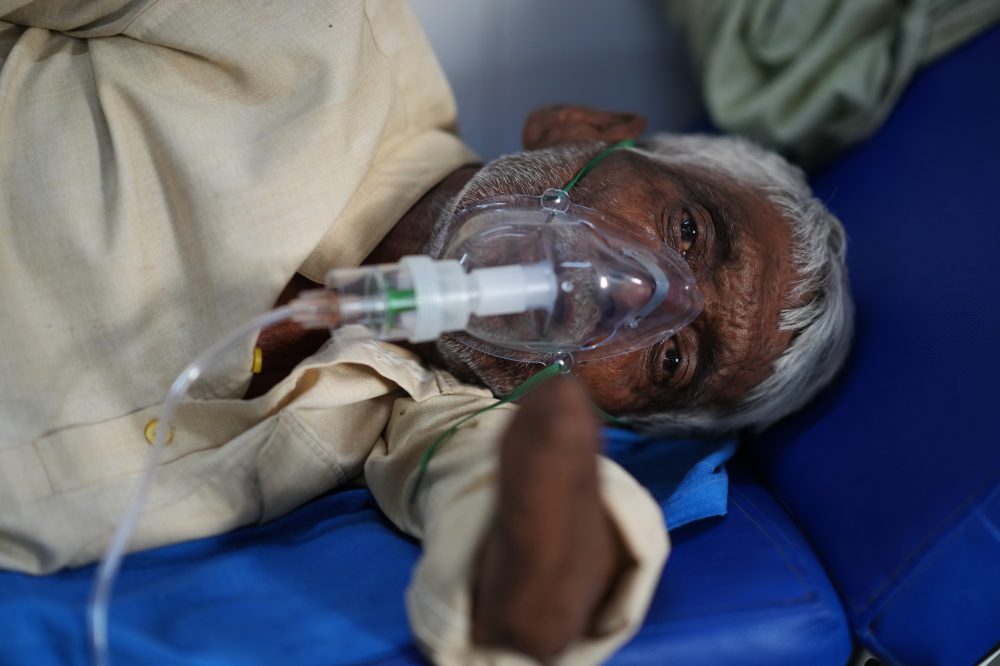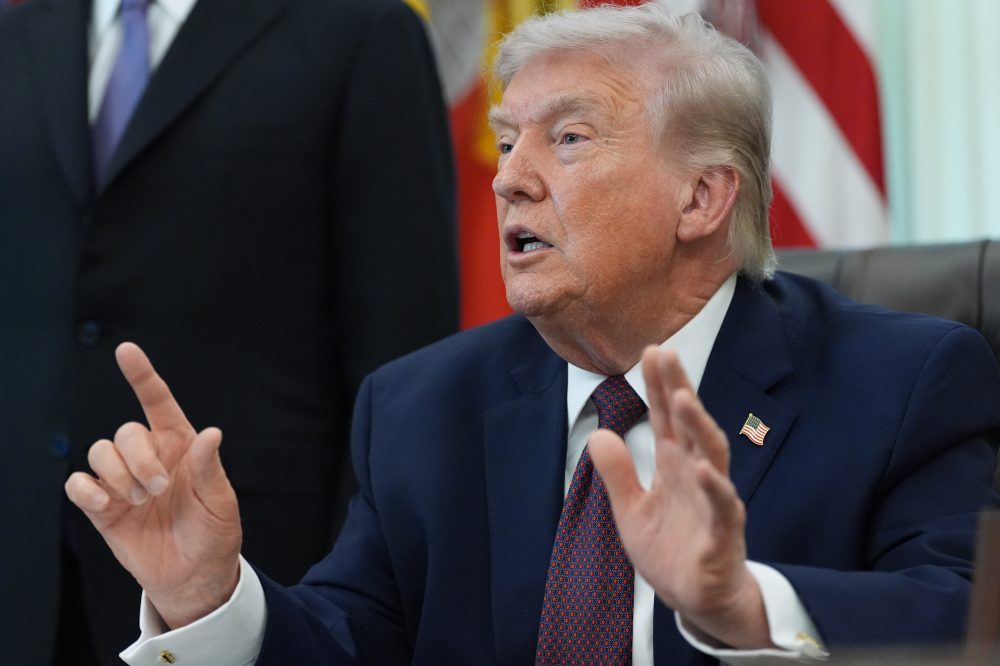

President Donald Trump issued an executive order Thursday establishing substantial tariffs on patented medications, potentially reaching 100% for pharmaceutical companies that fail to negotiate pricing agreements with his administration within the coming months.
Under the new framework, pharmaceutical manufacturers that execute “most favored nation” pricing agreements and actively construct U.S. facilities for domestic production of patented medications and their components will face zero tariffs. Companies building domestic facilities without pricing agreements will encounter 20% tariffs initially, escalating to 100% over four years.
A senior administration official briefing reporters indicated companies have several months to negotiate before maximum tariffs take effect — 120 days for larger corporations and 180 days for smaller ones. The official, who requested anonymity while previewing the executive order, declined to name specific companies or medications facing potential tariff increases but mentioned the administration has already secured 17 pricing agreements with major pharmaceutical companies, with 13 formally signed.
Trump justified the measures in his executive order as necessary “to address the threatened impairment of the national security posed by imports of pharmaceuticals and pharmaceutical ingredients.” The announcement coincided with the first anniversary of Trump’s “Liberation Day,” when he introduced comprehensive import taxes on nearly all countries worldwide, triggering significant stock market volatility. The Supreme Court overturned those Liberation Day tariffs in February.
Industry representatives expressed concern about the new tariff announcement. PhRMA CEO Stephen J. Ubl warned that taxes “on cutting-edge medicines will increase costs and could jeopardize billions in U.S. investments.” He emphasized America’s existing substantial biopharmaceutical manufacturing presence and noted that imported medicines “overwhelmingly come from reliable U.S. allies.”
Since beginning his second term, Trump has implemented numerous import taxes on trading partners and repeatedly promised substantial levies on foreign-produced medications. However, the administration has leveraged tariff threats to negotiate agreements with major corporations including Pfizer, Eli Lilly and Bristol Myers Squibb over the past year, securing commitments for reduced pricing on new medications.
Several countries have established trade frameworks with the U.S. to limit drug tariffs. The European Union, Japan, Korea and Switzerland will face 15% U.S. tariffs on patented pharmaceuticals, matching previously negotiated rates for most products, while the United Kingdom receives 10% rates that “will reduce to zero” under future trade agreements. Britain previously announced securing 0% tariff rates for all British medicines exported to America for at least three years.
Trump also announced modifications to his 50% tariffs on imported steel, aluminum and copper Thursday. Beginning Monday, tariff calculations on these metals will use the “full customs value” of what U.S. customers pay for foreign metal purchases, which administration officials claim will prevent importers from avoiding higher payments.
Products manufactured entirely from steel, aluminum and copper will maintain 50% tariffs for most countries. The administration is adjusting tariff calculations for derivative metals or finished products containing some metals but not made entirely from them.
Products with metal content below 15% of total weight, such as perfume bottle caps, will only face country-specific tariffs, officials explained Thursday. Products with higher metal content, like predominantly steel washing machines, will incur 25% tariffs on their complete value.
Thursday’s orders demonstrate Trump’s continued use of sectoral duties. The president invoked Section 232 of the 1962 Trade Expansion Act for these levies, the same authority used for import taxes on automobiles, lumber and kitchen cabinets. Many anticipate additional product-specific import taxes ahead.
This approach follows a Supreme Court ruling that struck down tariffs Trump imposed using the 1977 International Emergency Economic Powers Act to immediately impose tariffs on any country at virtually any level.
While the February 20 court decision significantly impacted Trump’s economic agenda, the president retains multiple options for aggressive import taxation. Beyond sectoral levies, Trump imposed a 10% tariff on all imports using separate legal authority hours after the Supreme Court ruling, though this duty expires after 150 days. Approximately two dozen states have already challenged these new tariffs.
Trump maintains his steep import taxes are essential to recover wealth “stolen” from the U.S. He argues they will reduce America’s longstanding trade deficit and restore domestic manufacturing. However, Trump has also employed tariffs for personal grievances or responding to political opposition. Disrupting global supply chains has proven expensive for businesses and households already facing rising prices.