
The Trump administration has announced George Kelesis as its latest nominee for Nevada’s chief federal prosecutor role, following ongoing legal disputes over the current appointee’s qualifications to serve in the position.
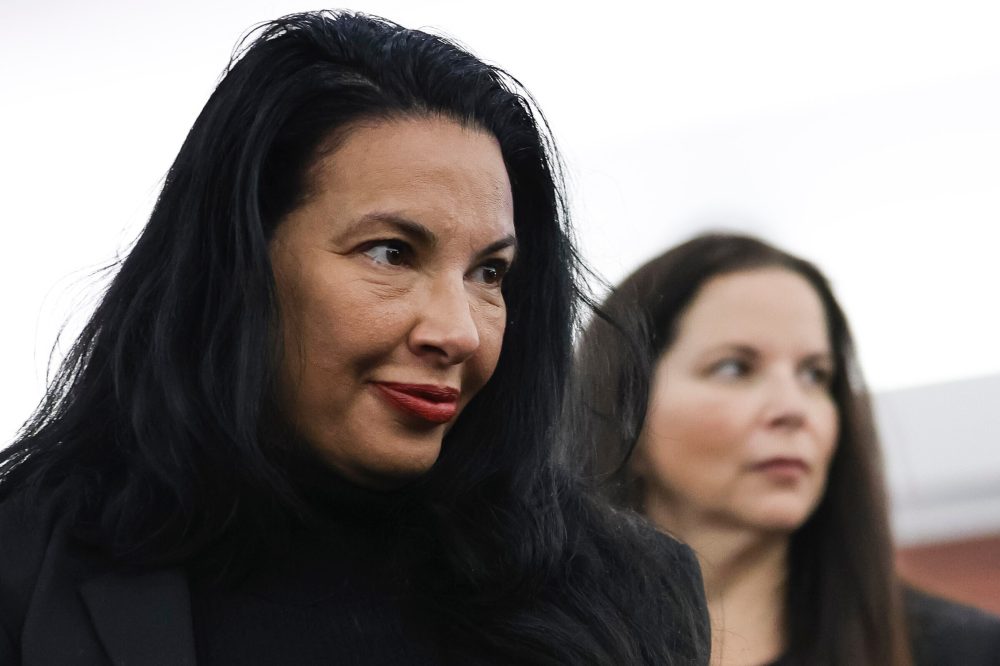
The White House revealed Kelesis’s nomination last week. The longtime Nevada criminal defense lawyer would take over from Sigal Chattah, who has held the role since her appointment in March but whose legal authority to serve is currently being examined by an appellate court.
Chattah represents one of multiple Trump nominees for U.S. attorney positions who failed to receive Senate confirmation and have been deemed legally ineligible for their roles by federal courts. Similar eligibility disputes have recently forced appointees in New Jersey and Virginia to step down, while another in California continues serving under a modified title.
When contacted for comment, Chattah chose not to respond.
While the nation’s chief federal prosecutors generally need Senate approval, federal law allows the attorney general to make interim appointments.
Attorney General Pam Bondi has worked in multiple instances to extend the tenure of appointees lacking sufficient bipartisan backing for confirmation beyond normal time limits. These efforts have sparked legal challenges from criminal defendants and opposition from judges who consider the appointments improper.
A federal district judge determined in September that Chattah lacks valid authority in her position but permitted her to continue handling certain cases during the appeals process. The 9th U.S. Circuit Court of Appeals conducted hearings last week without yet issuing a decision. Given losses in comparable cases, the selection of Kelesis suggests the administration anticipates an unfavorable outcome for Chattah.
A recent conflict concluded last month in Virginia’s Eastern District when Lindsey Halligan, a Trump supporter quickly appointed to the acting U.S. attorney position, announced her resignation. She had initiated prosecutions against two Trump critics, former FBI Director James Comey and New York Attorney General Letitia James. A court threw out those cases in November and declared her appointment unlawful. The Justice Department is challenging the dismissal of those prosecutions.
The administration faced a similar defeat in New Jersey when a federal judge determined Alina Habba had served as U.S. attorney beyond the permitted timeframe. Habba stepped down in December after an appeals court confirmed the lower court’s decision.
Bill Essayli, Trump’s selection for the Central District of California U.S. Attorney role, was also barred by a judge from serving as acting U.S. attorney. However, he remains the office’s senior prosecutor under the title First Assistant U.S. Attorney since the administration hasn’t nominated another candidate for the top position. The administration hasn’t indicated plans to replace him.
During last week’s appeals hearing, federal attorney Tyler Anne Lee contended that Chattah holds valid authority as acting U.S. attorney and may continue while Kelesis undergoes the nomination process. Should Kelesis face rejection or withdrawal of his nomination, Lee maintained that Chattah could remain in position for 210 days.
Kelesis might face better prospects for Senate confirmation, which generally demands bipartisan backing. Nevada’s Democratic Senators Catherine Cortez Masto and Jacky Rosen strongly opposed Chattah’s appointment, labeling her an extremist. They haven’t voiced similar objections to Kelesis. Cortez Masto plans to conduct a “tough, thorough interview with Kelesis,” according to her spokesperson Lauren Wodarski.
Kelesis maintains nonpartisan voter registration and has contributed to candidates from both major parties throughout his career. Since beginning his Las Vegas legal practice in 1981, he has specialized in white-collar criminal defense and tax-related civil and criminal litigation. He currently chairs the Nevada Tax Commission and has taught as an adjunct professor at the University of Nevada Las Vegas law school.
Similar to Chattah, he provided legal representation to a Nevada Republican accused of sending fraudulent certificates to Congress falsely claiming Trump won the state’s 2020 presidential election.
However, Chattah is generally considered more polarizing. Her unsuccessful 2022 state attorney general campaign included accusations of racist remarks about her opponent, Democrat Aaron Ford, who is Black. She has consistently promoted Trump’s debunked assertions about election fraud in 2020. She also represented religious institutions that challenged Nevada’s pandemic restrictions.