
The U.S. government is pushing back against a proposal to sell dozens of artifacts pulled from the sunken Titanic, adding yet another chapter to one of history’s most captivating maritime stories.
More than 100 years after the ship went down, the Titanic continues to capture the world’s imagination. Below is a look at the major milestones in the vessel’s history — from its first and only voyage to the ongoing legal battles over what remains on the ocean floor:
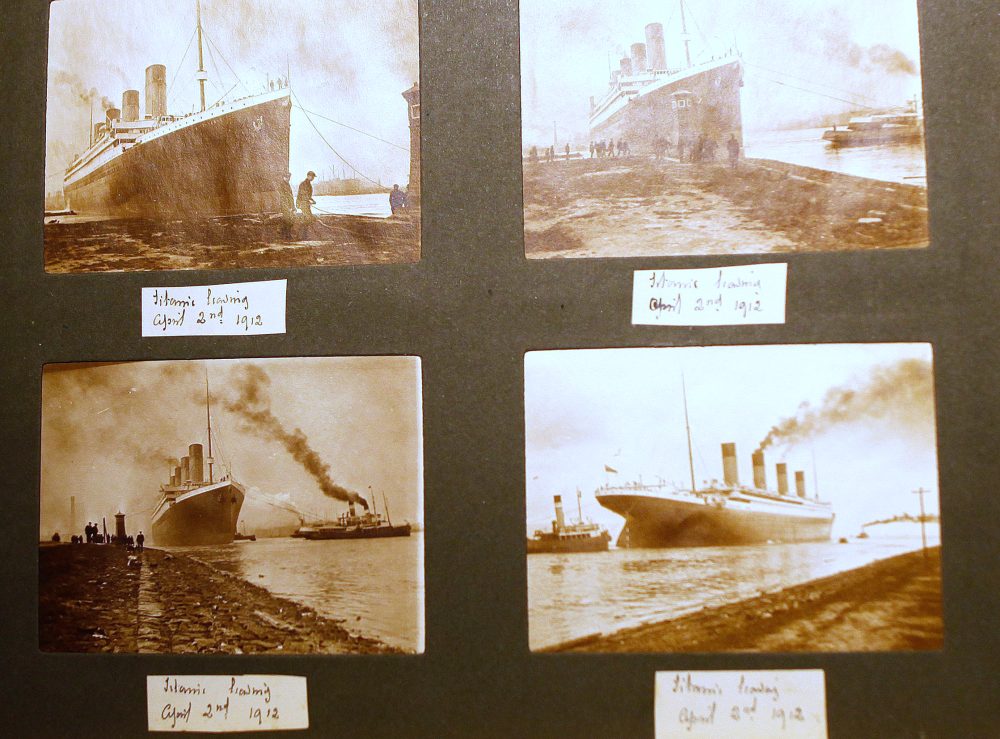
April 10, 1912 — After more than two years of being built, the Titanic sets sail from Southampton, England. The ship makes stops in France and Ireland before heading toward New York City with approximately 2,200 people aboard.
April 14, 1912 — Even after receiving multiple warnings about ice in the northern Atlantic Ocean, the Titanic collides with an iceberg just before midnight near the coast of Newfoundland, Canada.
April 15, 1912 — Within hours of striking the iceberg, the Titanic slips beneath the surface, claiming the lives of roughly 1,500 passengers and crew members.
September 1, 1985 — A joint team of French and American researchers locates the Titanic’s wreck site approximately 2.3 miles — or 3.7 kilometers — below the ocean’s surface. The team confirms the ship broke into two pieces when it sank.
July 1986 — For the first time since the disaster, researchers descend to the Titanic in a submarine, becoming the first humans to lay eyes on the wreck in 74 years. During 11 dives, they photograph and film the debris field. No items are taken from the site.
October 1986 — The United States passes legislation intended to regulate expeditions to the Titanic wreck and safeguard its artifacts. However, the law does little to prevent visits to the site or the removal of items.
July 1987 — An American company called Titanic Ventures teams up with a French research organization to pull the first objects from the wreck, including passenger dishware. Over the following months, the partnership recovers 1,800 artifacts in total. The group committed to keeping the collection together and not selling any of the items.
May 1993 — Titanic Ventures, which led the 1987 recovery effort, transfers its salvage rights to RMS Titanic Inc. Just one month later, RMS Titanic retrieves 800 more artifacts from the wreck. The recovered items include personal belongings such as a watch and suitcases, along with ship items like dishes — and some unexpected finds, including a set of bagpipes and sheet music.
June 1994 — A U.S. federal court grants RMS Titanic exclusive salvage rights to the wreck, though the ruling stops short of declaring the company the outright owner of the artifacts.
March 1999 — A U.S. appeals court determines that RMS Titanic does not have the authority to prevent other companies from visiting or taking photographs at the Titanic site.
February 2000 — The largest public exhibition of Titanic artifacts in the world opens in Chicago. Some museums refuse to participate, arguing that removing objects from archaeological sites amounts to looting.
August 2011 — A U.S. federal court awards RMS Titanic legal title to thousands of artifacts the company recovered between 1993 and 2004. As part of the agreement, the company must keep the collection whole and is prohibited from selling individual items.
May 2017 — The United States puts an international treaty into effect requiring anyone operating under U.S. jurisdiction to receive approval from the National Oceanic and Atmospheric Administration before conducting any research or salvage work that disturbs the wreck.
June 18, 2023 — A small experimental submersible called the Titan implodes while traveling to the Titanic, killing all five people on board. Among the victims was French underwater explorer Paul-Henri Nargeolet, who served as director of underwater research for RMS Titanic.
August 2023 — The U.S. government moves to block RMS Titanic from carrying out a planned expedition to retrieve historically significant items from the wreck, pointing to federal law and an international agreement.
July 2024 — RMS Titanic conducts its first visit to the wreck since 2010, traveling to the site to study the condition of the ship and the artifacts that remain.
January 2025 — The U.S. government drops its lawsuit against RMS Titanic, stating that the company no longer has any active dive plans that would violate federal law.
March 2026 — In documents filed with the court, RMS Titanic discloses a plan to auction off 100 lots of artifacts that were brought up from the wreck in 1987. Most specifics about the sale remain under seal, but the company indicates it intends to take the items on a worldwide tour before the auction.
June 2026 — A judge orders the unsealing of court documents revealing that both the U.S. government and the National Oceanic and Atmospheric Administration are formally opposing the proposed sale of the Titanic artifacts.